
Why This Article is Worth Reading
As someone who has been in the screen protector industry for years, I’ve seen firsthand how the right protection can save a phone from costly damage. Whether you’re rocking the latest iPhone or a Samsung Galaxy, understanding the differences between UV and tempered glass protectors can save you money and headaches in the long run. Let’s dive into the nitty-gritty of these two popular options and help you choose the best shield for your device.
What is a UV Screen Protector?
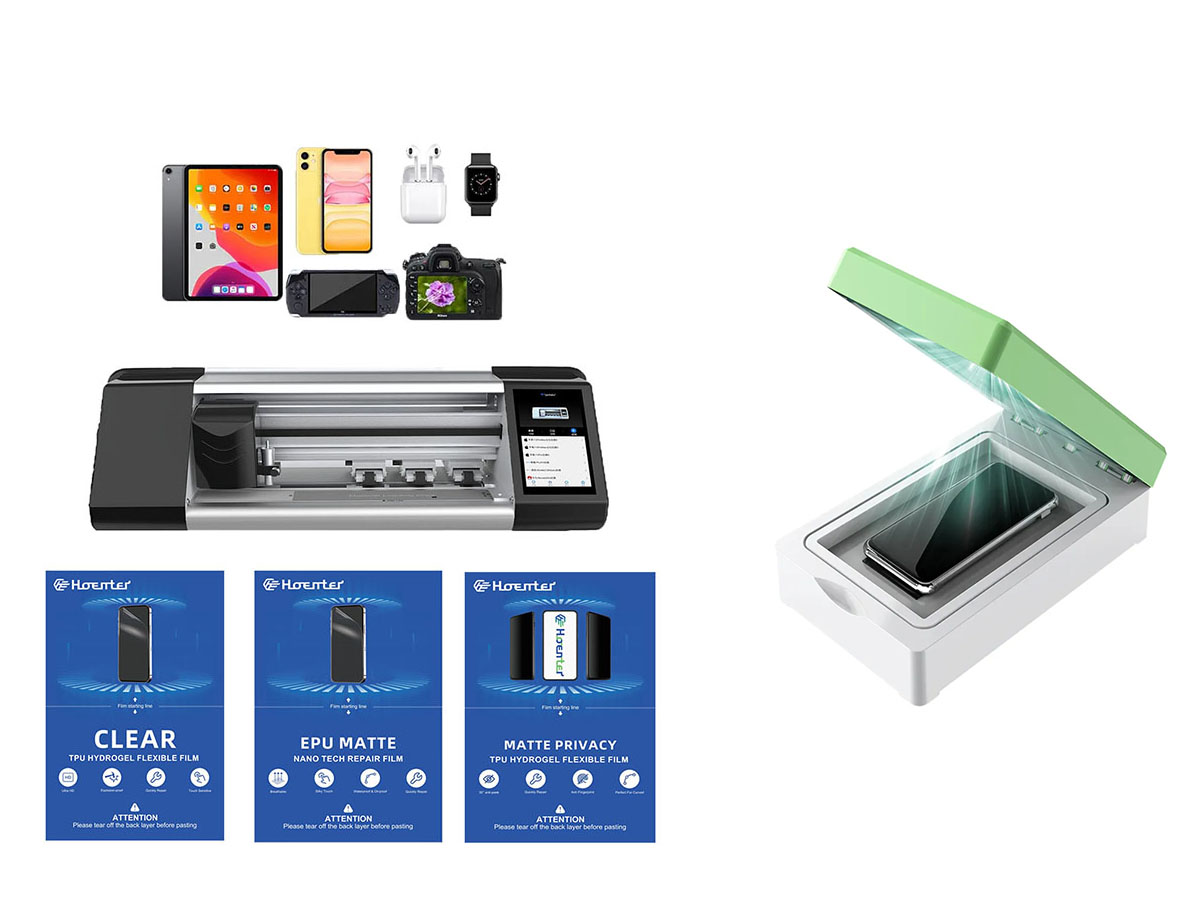
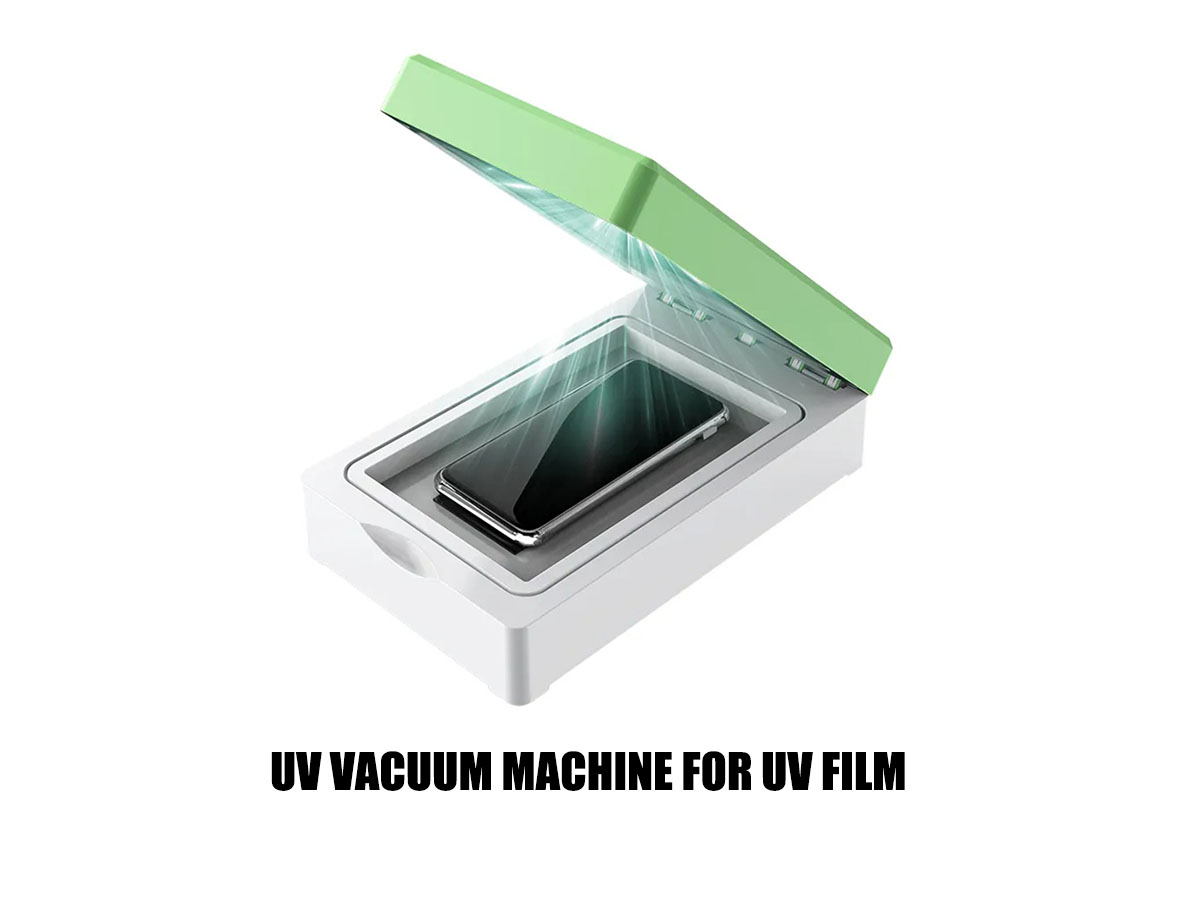
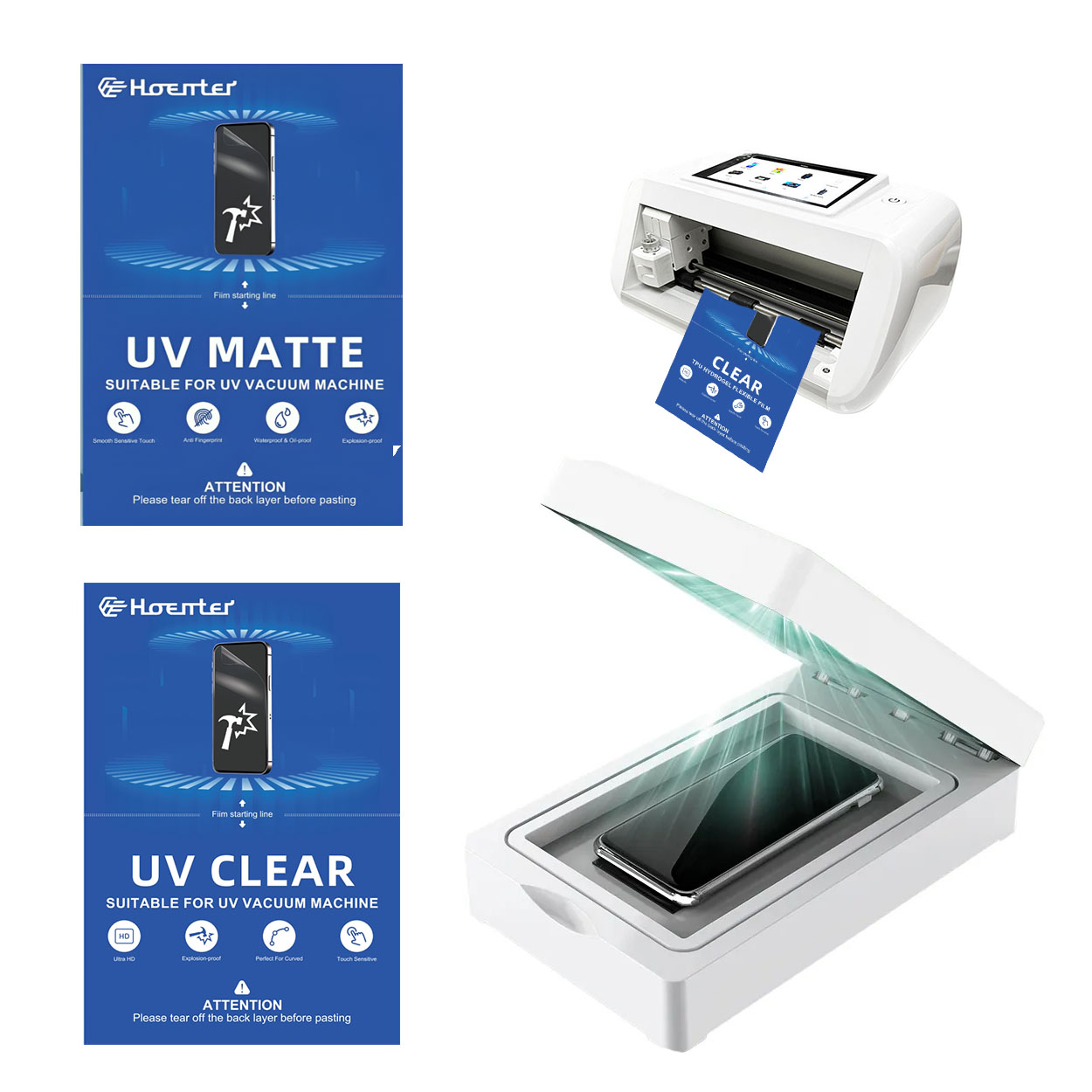
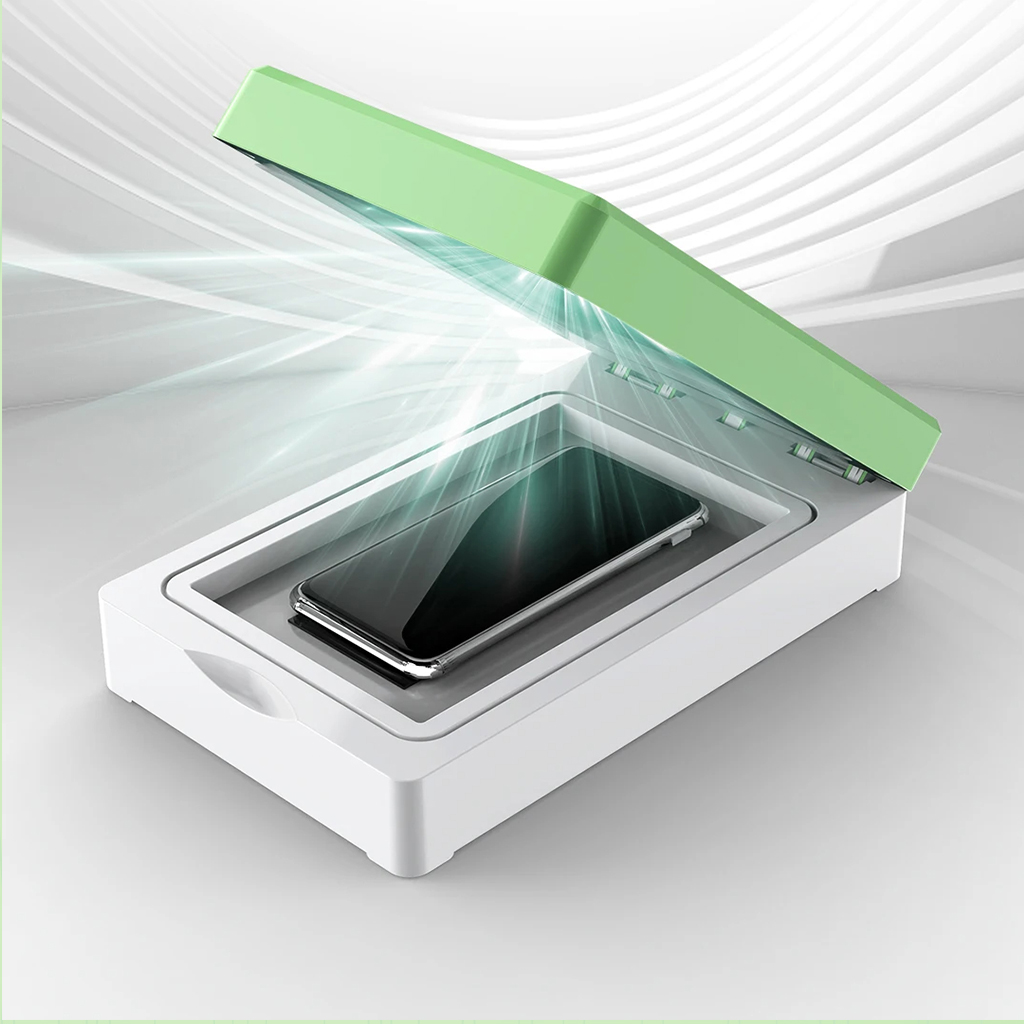
UV screen protectors are a relatively new entrant in the phone protection market. These innovative protectors use a liquid adhesive that is cured under ultraviolet light, creating a seamless bond with your phone’s screen. The process involves applying a thin layer of liquid glass onto the screen, then using a UV light to harden it into a solid, transparent shield.The unique selling point of UV screen protectors is their ability to conform perfectly to curved screens, making them an excellent choice for phones with rounded edges or unusual shapes. This perfect fit not only enhances protection but also maintains the original look and feel of your device.
How Does Tempered Glass Compare?
Tempered glass screen protectors, on the other hand, have been the go-to option for many years. These protectors are made from specially treated glass that’s been heated and rapidly cooled to increase its strength. The result is a durable, rigid sheet that can absorb impacts and prevent scratches.One of the main advantages of tempered glass is its ease of installation. Unlike UV protectors, which require a more involved application process, tempered glass protectors can often be applied in a matter of minutes without any special equipment.
UV Screen Protector: Pros and Cons
الايجابيات:
- Perfect fit for curved screens
- Excellent clarity and touch sensitivity
- Strong adhesion reduces the risk of bubbles or lifting
- Can be removed and reapplied if needed
سلبيات:
- More expensive than traditional options
- Requires careful application and UV light for curing
- May be difficult to remove if not done properly
Tempered Glass: Strengths and Weaknesses
Strengths:
- Provides excellent protection against impacts and scratches
- Easy to install and replace
- Generally more affordable than UV options
- Offers a familiar feel similar to bare glass
Weaknesses:
- May not fit perfectly on curved screens
- Can sometimes affect touch sensitivity
- Edges may chip or crack over time
How Do UV Screen Protectors Work?
The magic of UV screen protectors lies in their unique application process. Here’s a step-by-step breakdown:
- Clean the phone screen thoroughly
- Apply a thin layer of liquid glass adhesive
- Place the protector on top of the adhesive
- Use UV light to cure the adhesive, bonding the protector to the screen
This process creates a molecularly bonded layer that’s virtually invisible and incredibly durable. The UV curing ensures that the protector adheres perfectly to every contour of your screen, eliminating gaps or bubbles that could compromise protection.
Are UV Screen Protectors Better for Curved Screens?
When it comes to phones with curved displays, UV screen protectors have a clear advantage. The liquid application allows the protector to flow into every curve and crevice, providing edge-to-edge protection that’s hard to achieve with rigid tempered glass.For devices like the Samsung Galaxy series with their distinctive curved edges, a UV protector can offer superior coverage and aesthetics. The seamless fit not only looks better but also enhances the overall protection by eliminating weak points around the edges.
How Does Installation Differ Between UV and Tempered Glass?
Installing a UV screen protector is a bit more involved than applying a traditional tempered glass protector. Here’s a quick comparison:UV Screen Protector Installation:
- Clean the screen meticulously
- Apply liquid adhesive
- Position the protector
- Use UV light to cure (usually takes 1-3 minutes)
- Clean up any excess adhesive
Tempered Glass Installation:
- تنظيف الشاشة
- تقشير الغلاف الخلفي
- Align and apply the protector
- Smooth out any bubbles
While tempered glass is quicker to install, UV protectors offer more room for adjustment during the application process, as the adhesive doesn’t set until exposed to UV light.
Which Offers Better Protection Against Scratches and Impacts?
Both UV and tempered glass protectors offer excellent scratch resistance. However, when it comes to impact protection, tempered glass often has the edge. The thicker, rigid structure of tempered glass can absorb and distribute impact forces more effectively than the thinner UV protectors.That said, the perfect fit of UV protectors on curved screens can provide more comprehensive protection by eliminating weak points around the edges where cracks often start.
How Do UV and Tempered Glass Protectors Affect Touch Sensitivity?
Touch sensitivity is a crucial factor in screen protector performance. UV protectors, being thinner and perfectly adhered to the screen, generally offer superior touch sensitivity. There’s virtually no gap between the protector and the screen, ensuring that every tap and swipe is accurately registered.Tempered glass protectors, while still very responsive, may occasionally have slight issues with sensitivity, especially around the edges of curved screens where the fit might not be perfect.
What About Clarity and Visual Quality?
Both UV and tempered glass protectors offer excellent clarity, but UV protectors often have a slight edge. The liquid application process and perfect adhesion mean that there are no air gaps or refraction issues that could affect visual quality.Tempered glass protectors are also very clear, but some users report a slight “rainbow effect” in certain lighting conditions, especially on cheaper models.
Cost Comparison: UV vs Tempered Glass
When it comes to price, tempered glass protectors are generally more affordable. You can find quality tempered glass protectors for most phone models at reasonable prices, often with multi-packs available for added value.UV screen protectors, due to their more complex technology and application process, tend to be pricier. However, many users find the extra cost worthwhile for the perfect fit and enhanced protection, especially for high-end devices with curved screens.
Which is Better for Long-Term Use?
Both UV and tempered glass protectors can offer long-lasting protection, but they have different lifespans and characteristics:UV Screen Protectors:
- Can last the lifetime of the phone if properly applied and maintained
- May be more difficult to replace if damaged
Tempered Glass Protectors:
- Typically last 6-12 months before needing replacement
- Easy to remove and replace when worn or damaged
The choice between the two often comes down to personal preference and how often you’re willing to replace your screen protector.
النقاط الرئيسية:
- UV screen protectors offer a perfect fit for curved screens and excellent clarity
- Tempered glass protectors provide superior impact protection and are easier to install
- UV protectors are more expensive but can last longer with proper care
- Tempered glass is more affordable and easier to replace
- Both offer excellent scratch protection and maintain touch sensitivity
- The best choice depends on your phone model, budget, and personal preferences
Ultimately, both UV and tempered glass screen protectors have their strengths. Your decision should be based on your specific needs, phone model, and how much you’re willing to invest in protecting your device. Whichever you choose, a quality screen protector is an essential accessory for keeping your smartphone safe and looking great for years to come.
تحقيق الدقة: أفضل الممارسات للحصول على ملاءمة محكمة مع قواطع واقي الشاشة
يعد تحقيق الدقة في قطع واقيات الشاشة أمرًا بالغ الأهمية لضمان الحماية المثالية للجهاز ورضا المستخدم.
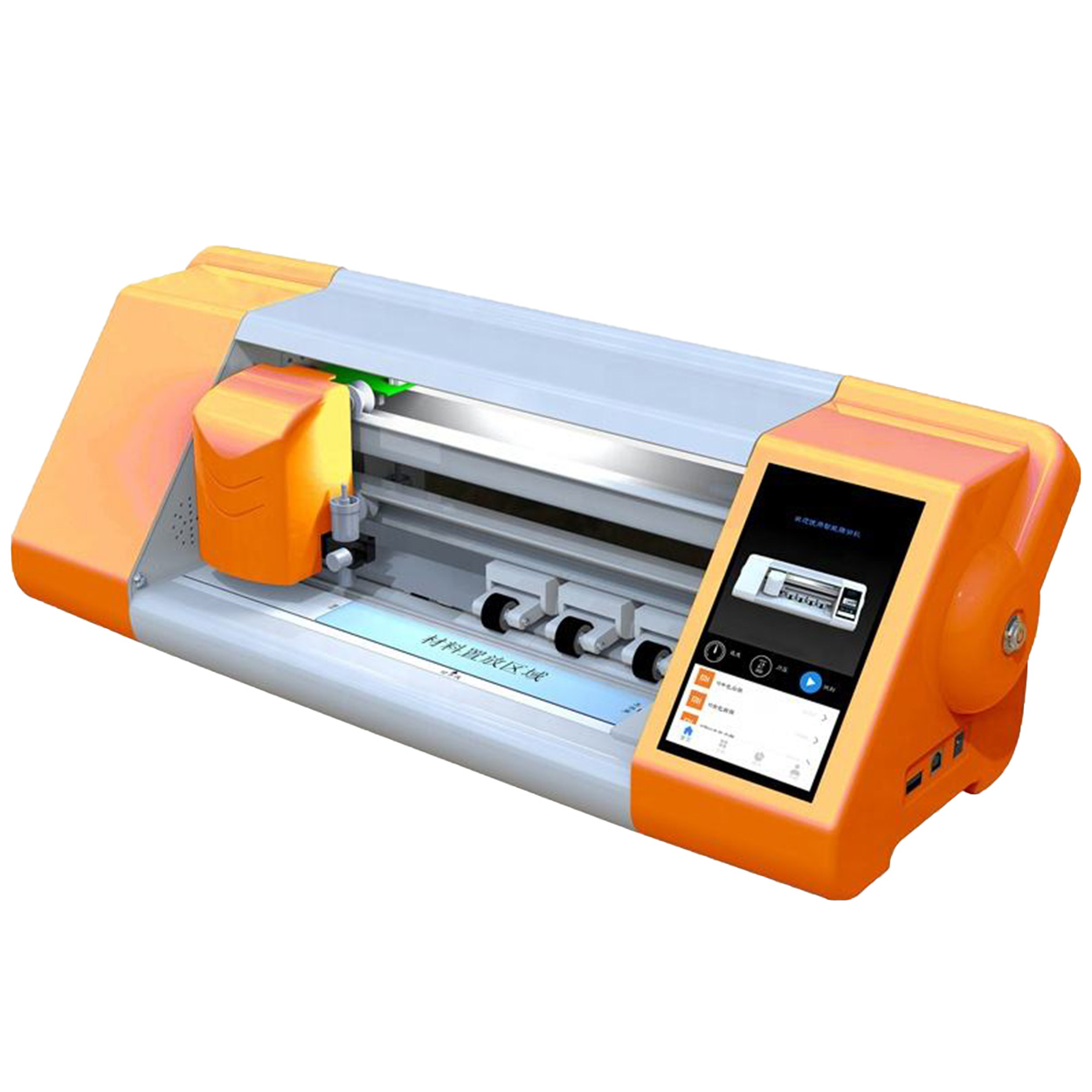
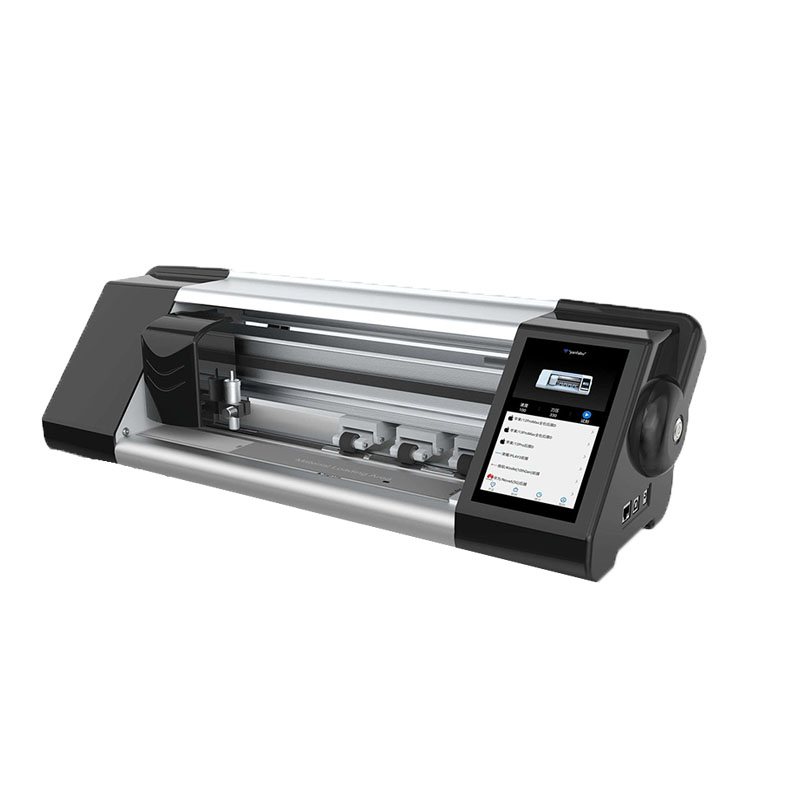
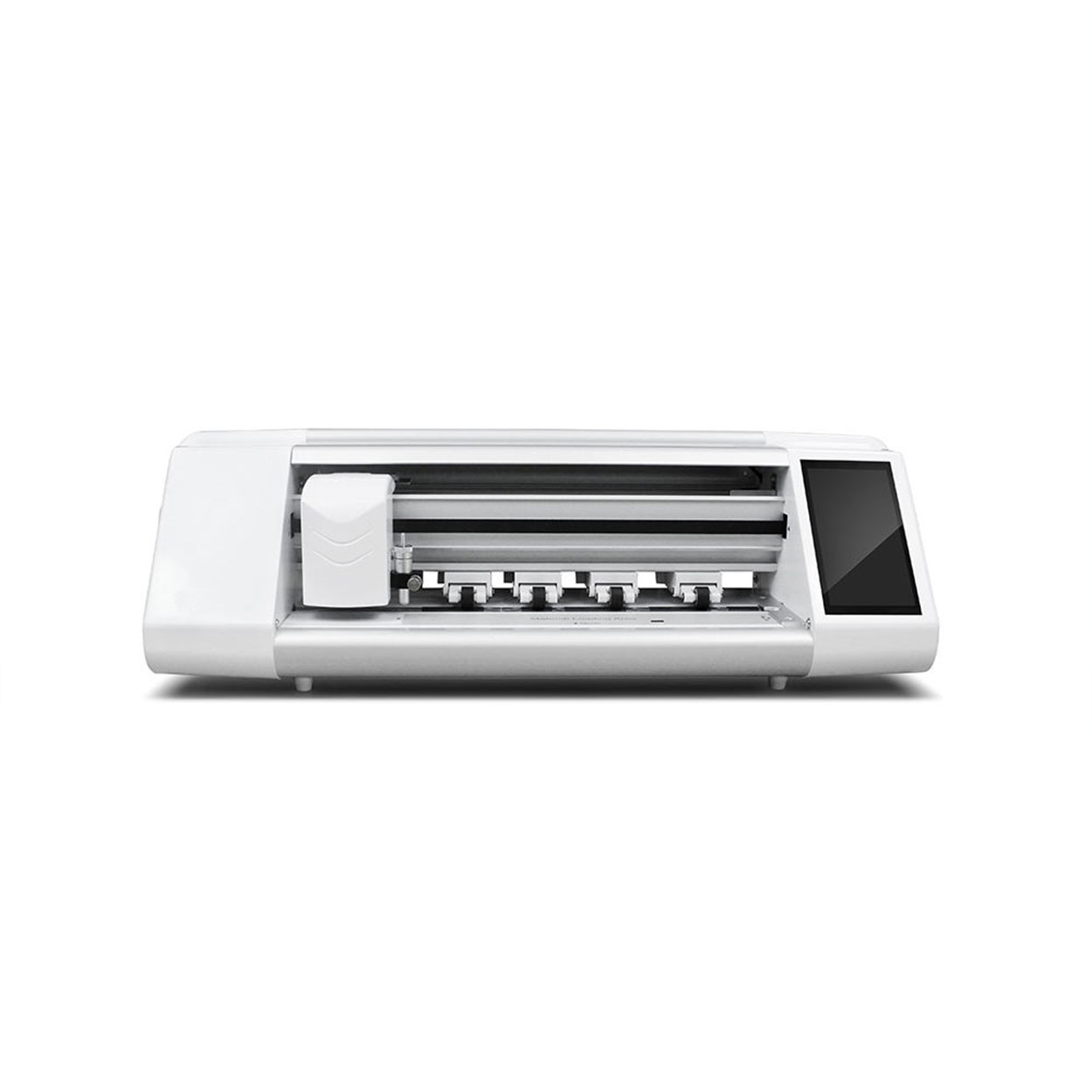
آلة قطع واقي الشاشة الأوتوماتيكية المتقدمة
اكتشف كيف تعمل آلات قطع واقي الشاشة على إحداث ثورة في حماية الأجهزة المحمولة باستخدام قواطع الأفلام الذكية لقطع الشاشة بشكل دقيق وتلقائي لجميع الأجهزة.
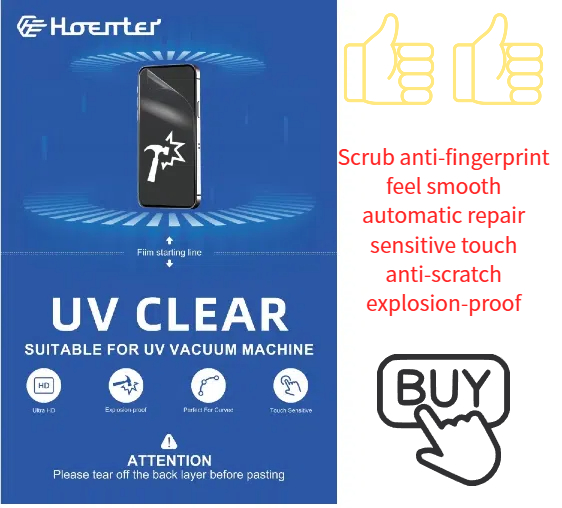
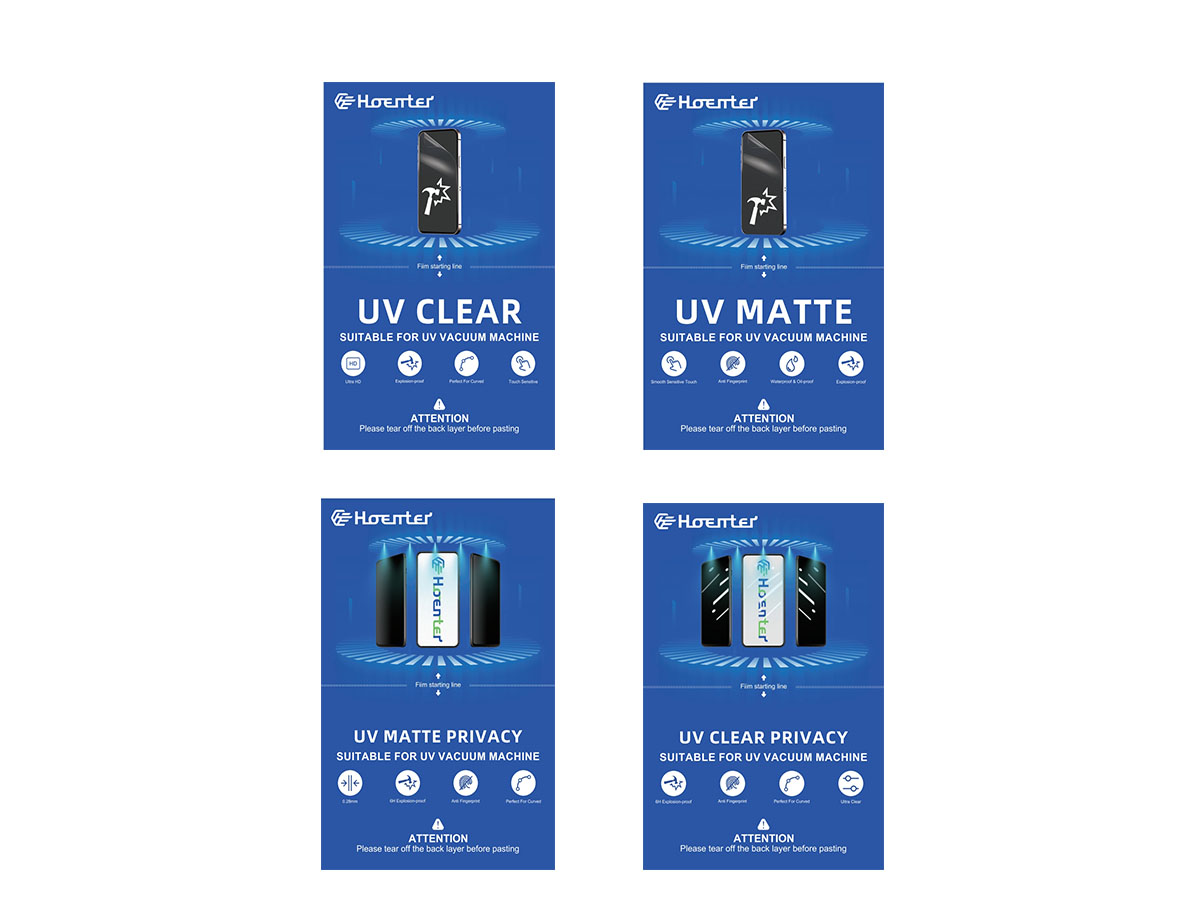
UV Clear Film Screen Protectors
Get the ultimate clear screen protector! Our UV Clear Film option offers exceptional transparency and protects against scratches and everyday wear.
هل واقي الشاشة السيليكون جيد؟
ومن خلال فهم هذه العوامل، يمكنك اتخاذ قرار مستنير وضمان بقاء شاشة هاتفك الذكي محمية ونظيفة.
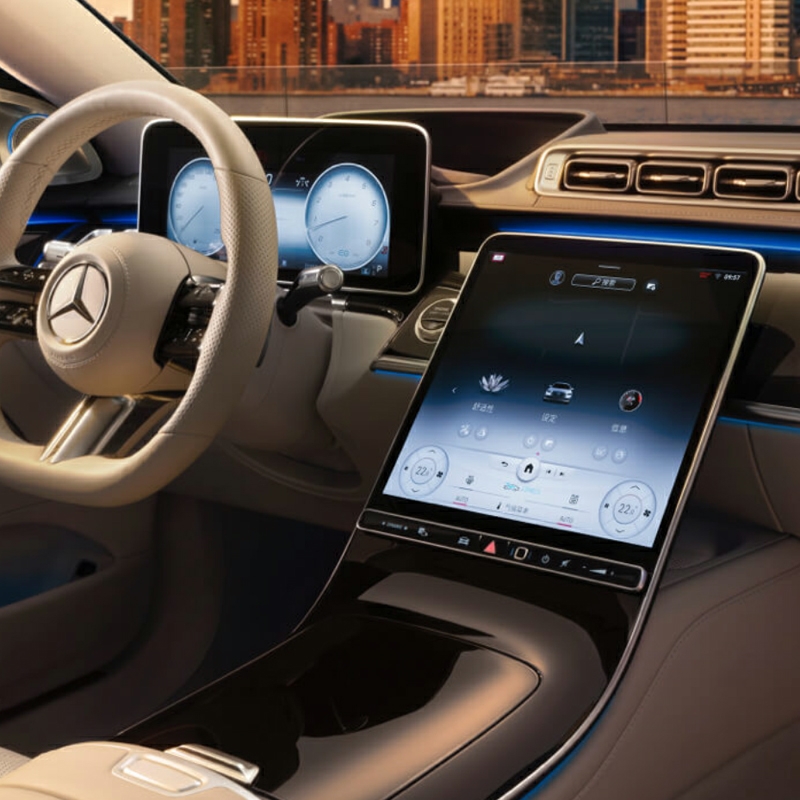
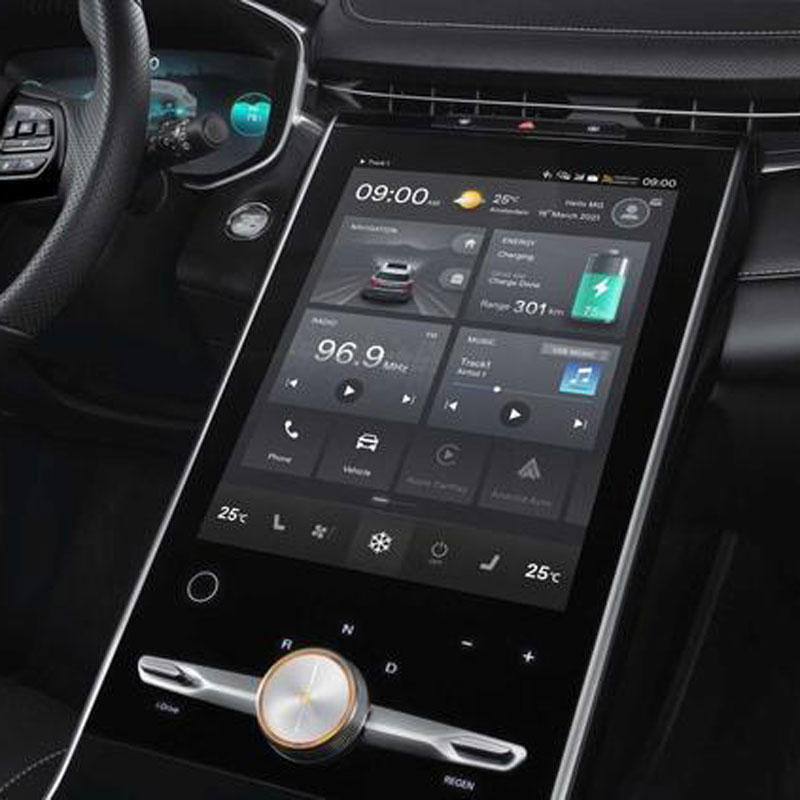
BMW 23-24 X1 GPS Navigation Tempered Glass
Protect your 2023-2024 BMW X1’s GPS navigation screen with our premium tempered glass protector. 9H hardness, anti-glare, and perfect fit. Bulk orders available for dealerships & 4S shops.
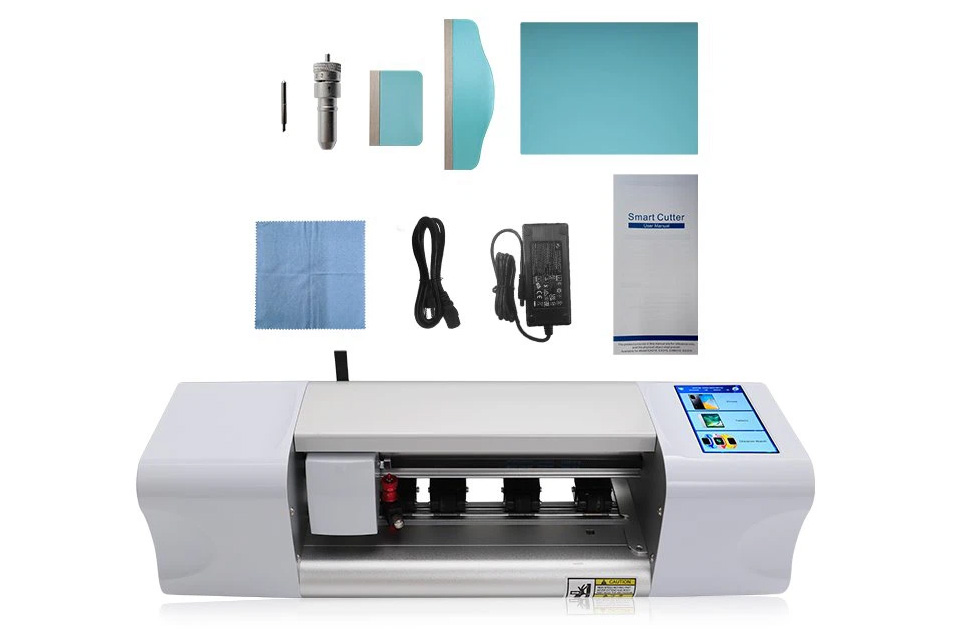
ما هي آلة قطع الأفلام وتطبيقاتها
لقد لعبت آلات قطع الأفلام دورًا حاسمًا في تطور صناعة الأفلام والعمليات الصناعية المختلفة من خلال تمكين القطع والتوصيل الدقيق لمواد الفيلم.
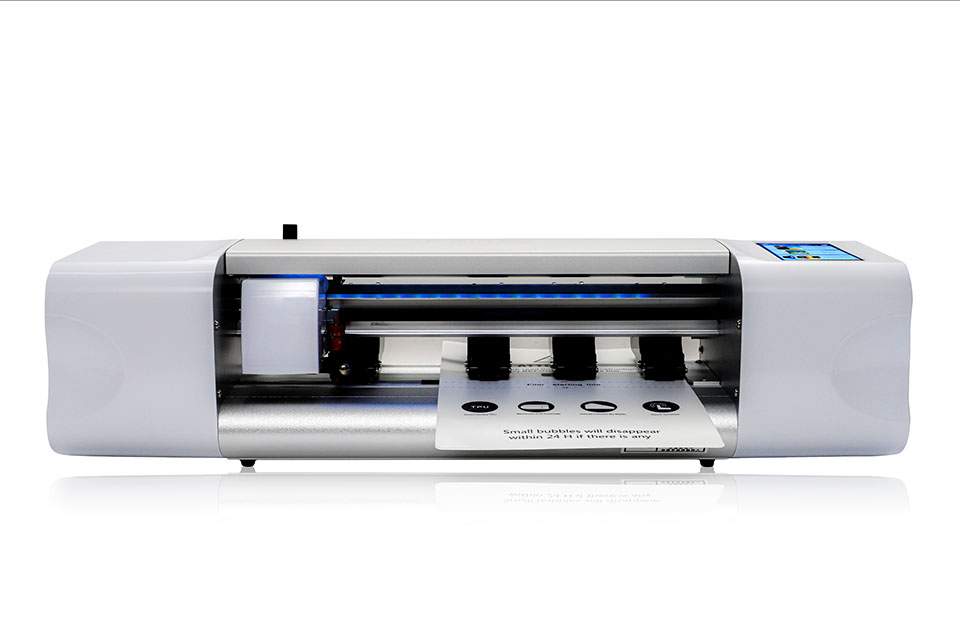
ما هي آلة قطع واقي الشاشة؟
آلة قطع واقي الشاشة هي جهاز متخصص مصمم لإنتاج واقيات شاشة مخصصة لمختلف الأجهزة الإلكترونية، بما في ذلك الهواتف الذكية والأجهزة اللوحية والساعات الذكية وأجهزة الكمبيوتر المحمولة والشاشات.
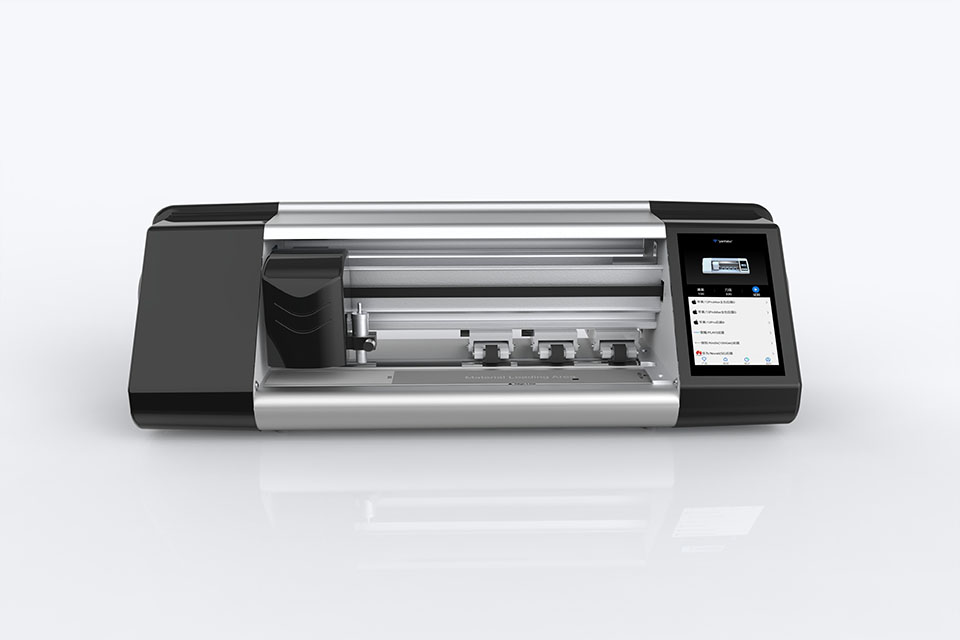
كيف تعمل آلة قطع واقي شاشة الهاتف المحمول؟
آلة قطع واقي شاشة الهاتف المحمول هي جهاز متطور مصمم
لإنتاج واقيات شاشة مخصصة لمختلف الأجهزة الرقمية بدقة عالية
الإنتاجية والكفاءة.
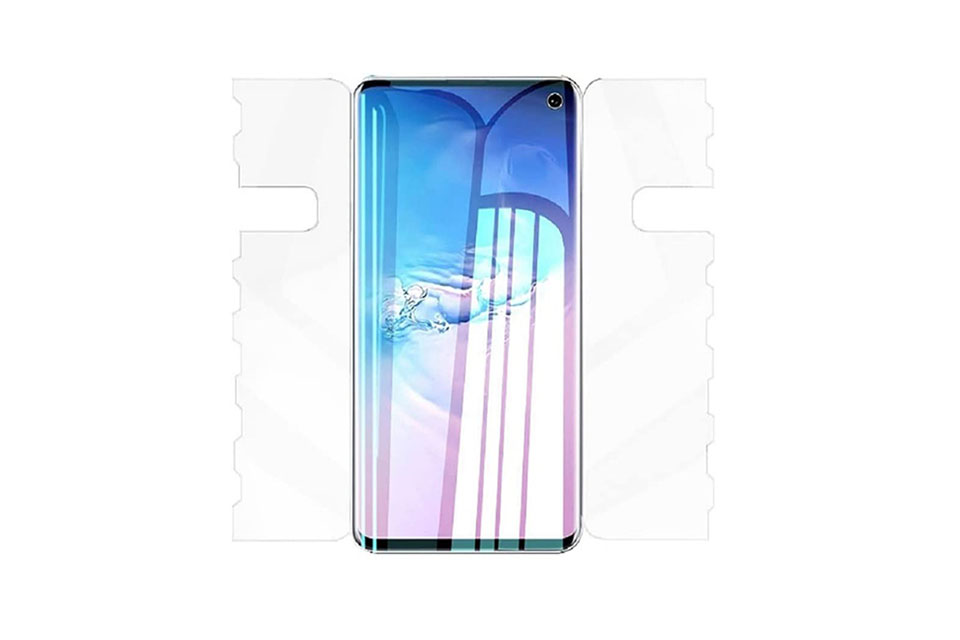
خصائص الزجاج المقوى للهاتف المحمول وواقي الشاشة TPU للهاتف المحمول
تتميز واقيات الشاشة المصنوعة من مادة البولي يوريثين الحرارية (TPU) بالمرونة والمتانة
أغشية بلاستيكية ذاتية الشفاء مصممة لحماية شاشات الأجهزة الإلكترونية من
الخدوش والصدمات والأضرار المحتملة الأخرى.
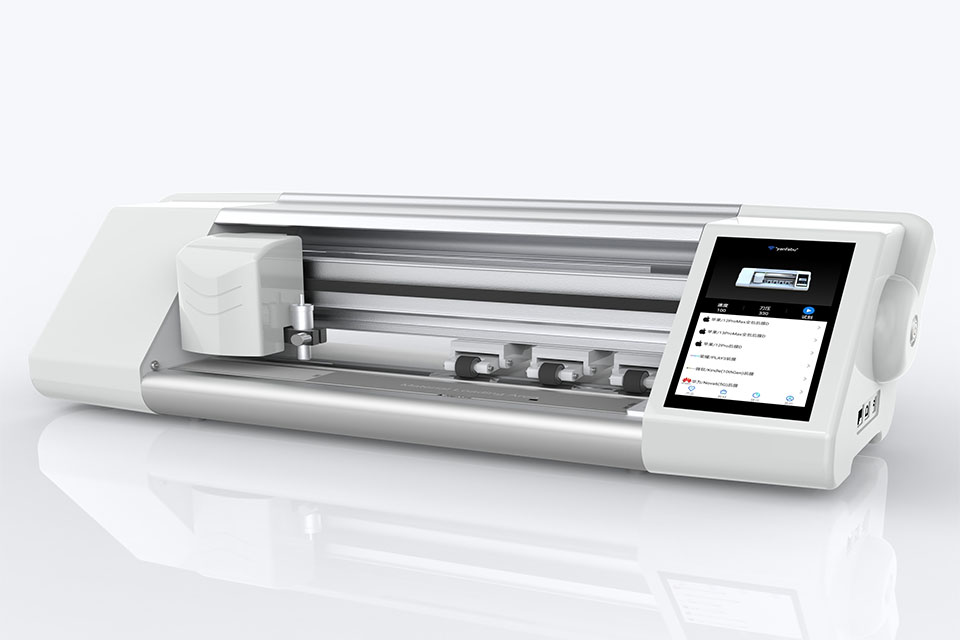
إحداث ثورة في حماية الأجهزة باستخدام آلة قطع واقي الشاشة
سواء كنت تمتلك هاتفًا ذكيًا أو جهازًا لوحيًا أو ساعة ذكية، فإن هذا الجهاز متعدد الاستخدامات يستوعب مجموعة كبيرة من الأجهزة. فهو يتكيف بسلاسة مع أبعاد جهازك، ويوفر ملاءمة مخصصة لا يمكن للواقيات العامة أن تضاهيها.
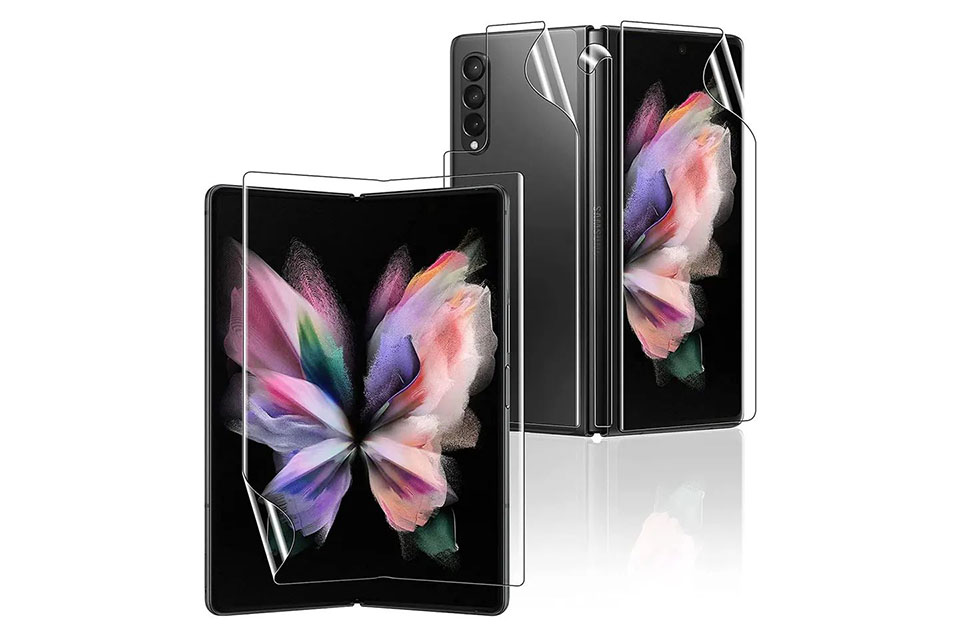
ضمان مدى الحياة لحماية الشاشة
ضمان مدى الحياة لواقي الشاشة هو ضمان تقدمه الشركات المصنعة
تتعهد بإصلاح أو استبدال واقي الشاشة طوال عمر المنتج، وفقًا لشروط وأحكام محددة.