
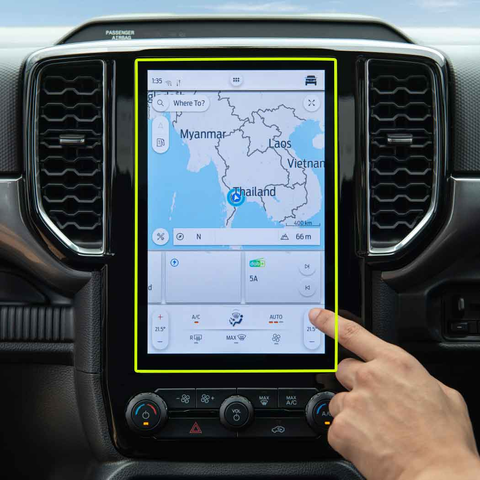
Qu'est-ce qu'un protecteur d'écran ?
A protecteur d'écran is a thin layer of material that adheres to the screen of your device. Its primary purpose is to protect the screen from scratches, smudges, and cracks. Screen protectors are made from various materials, including tempered glass and plastic, each offering different levels of protection.Screen protectors are essential for maintaining the longevity of your device. They act as a barrier against everyday wear and tear, ensuring that your phone screen remains pristine. By investing in a screen protector, you can avoid the hassle and expense of replacing a cracked screen.How Do Screen Protectors Work?
Screen protectors work by absorbing the impact that would otherwise directly hit your phone screen. When you drop your phone, the screen protector takes the brunt of the force, reducing the likelihood of a crack. This is particularly true for tempered glass screen protectors, which are designed to shatter upon impact, thereby protecting the actual screen beneath.The effectiveness of a screen protector largely depends on its material and thickness. Tempered glass protectors, for instance, are known for their durability and ability to withstand significant impact. They are crafted through a process of extreme heating and rapid cooling, which makes them much stronger than regular glass.Can Screen Protectors Prevent Cracking?
The million-dollar question: Can screen protectors really prevent cracking? The answer is both yes and no. While screen protectors can significantly reduce the risk of cracks, they are not foolproof. A screen protector can absorb minor impacts and prevent scratches, but it may not withstand a severe drop or a sharp object.However, using a screen protector is still a wise choice. It provides an additional layer of defense, which can be the difference between a minor scratch and a costly screen replacement. For optimal protection, pairing a screen protector with a sturdy phone case is recommended.
Types of Screen Protectors: Which One is Best?
There are several types of screen protectors available, each with its own set of advantages and disadvantages. The most common types include:- Verre trempé: Offers superior protection and clarity. It is thicker and more durable than other types.
- Plastic (PET or TPU): More affordable and flexible, but less durable than tempered glass.
- Protecteurs d'écran liquides: A newer option that involves applying a liquid solution to the screen, which hardens to form a protective layer.
Tempered Glass vs. Plastic Screen Protectors
When it comes to choosing between tempered glass and plastic screen protectors, there are several factors to consider. Verre trempé protectors are known for their strength and ability to resist scratches and cracks. They provide a smooth, glass-like feel that closely mimics the original screen.On the other hand, plastic screen protectors are thinner and more flexible. They are less likely to shatter upon impact but offer less protection against severe drops. Plastic protectors are also more prone to scratches and may not provide the same level of clarity as tempered glass.Ultimately, the choice between tempered glass and plastic depends on your priorities. If you value protection and a premium feel, tempered glass is the way to go. For those seeking a budget-friendly option, plastic protectors are a viable alternative.
Do Screen Protectors Affect Touch Sensitivity?
A common concern among smartphone users is whether screen protectors affect touch sensitivity. The good news is that most high-quality screen protectors, especially tempered glass ones, do not interfere with touch responsiveness. They are designed to be thin enough to maintain the screen’s sensitivity while providing adequate protection.However, lower-quality protectors, particularly thicker plastic ones, may slightly reduce touch sensitivity. To ensure optimal performance, it’s important to choose a reputable brand and follow the installation instructions carefully.How to Properly Apply a Screen Protector
Applying a screen protector can be a daunting task, but with the right technique, it can be done smoothly. Here are some steps to ensure a perfect application:- Nettoyer l'écran: Use a microfiber cloth and cleaning solution to remove any dust or fingerprints.
- Aligner le protecteur: Carefully align the protector with the edges of the screen before applying.
- Appliquer le protecteur: Gently place the protector on the screen, starting from one edge and smoothing it out to avoid bubbles.
- Supprimer les bulles: Use a credit card or similar object to push out any air bubbles.
Common Myths About Screen Protectors
There are several myths surrounding screen protectors that can lead to confusion. Let’s debunk some of the most common ones:- Myth 1: Screen protectors are unnecessary if you have a case. While a case provides protection for the phone’s body, a screen protector specifically guards against screen damage.
- Myth 2: All screen protectors are the same. As discussed earlier, there are significant differences in materials and quality.
- Myth 3: Screen protectors reduce screen clarity. High-quality protectors are designed to be virtually invisible and do not affect the screen’s clarity.
When Should You Replace Your Screen Protector?
Screen protectors are not indestructible and will eventually need to be replaced. Here are some signs that it’s time for a new one:- Visible Cracks or Chips: If the protector is cracked, it can no longer provide adequate protection.
- Loss of Adhesion: If the protector is peeling or not sticking properly, it should be replaced.
- Scratches or Wear: Over time, protectors can accumulate scratches that affect visibility.
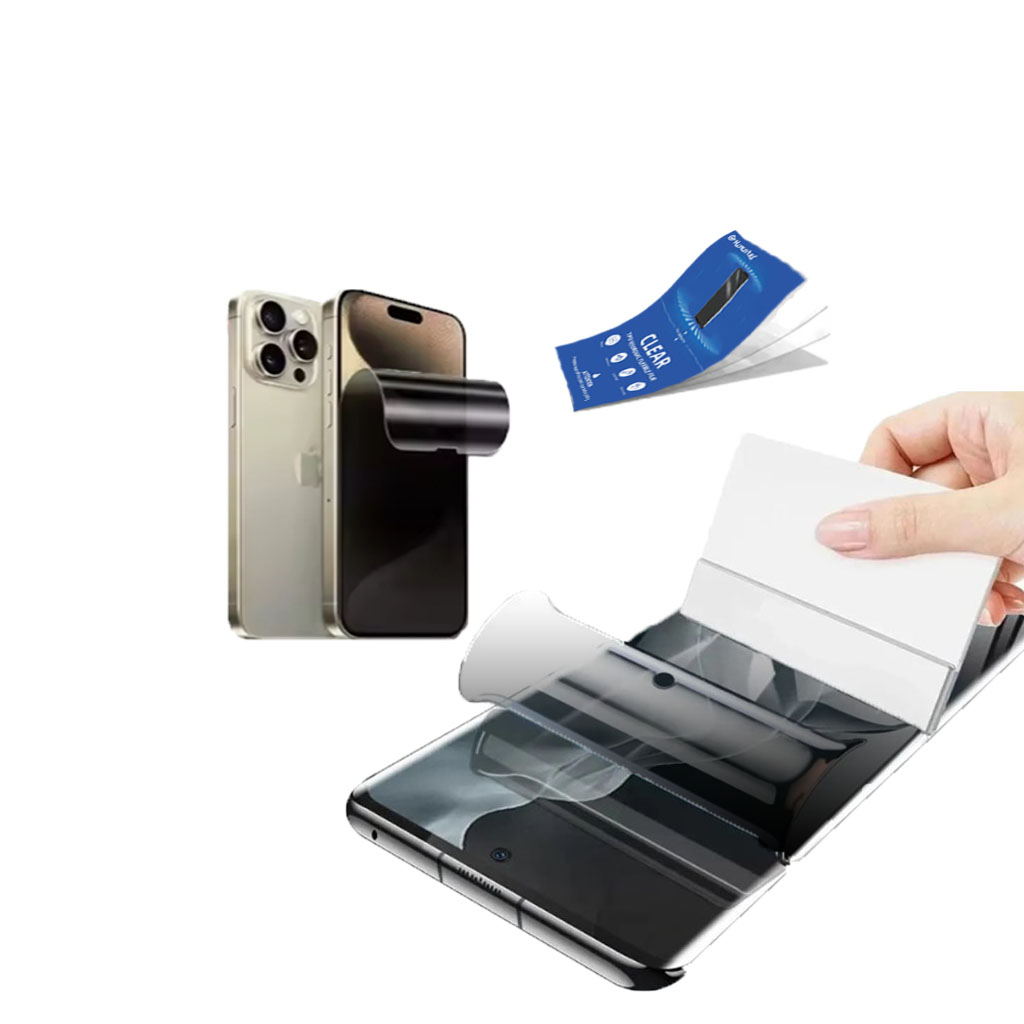
Qu'est-ce qu'une machine à découper les protections d'écran ?
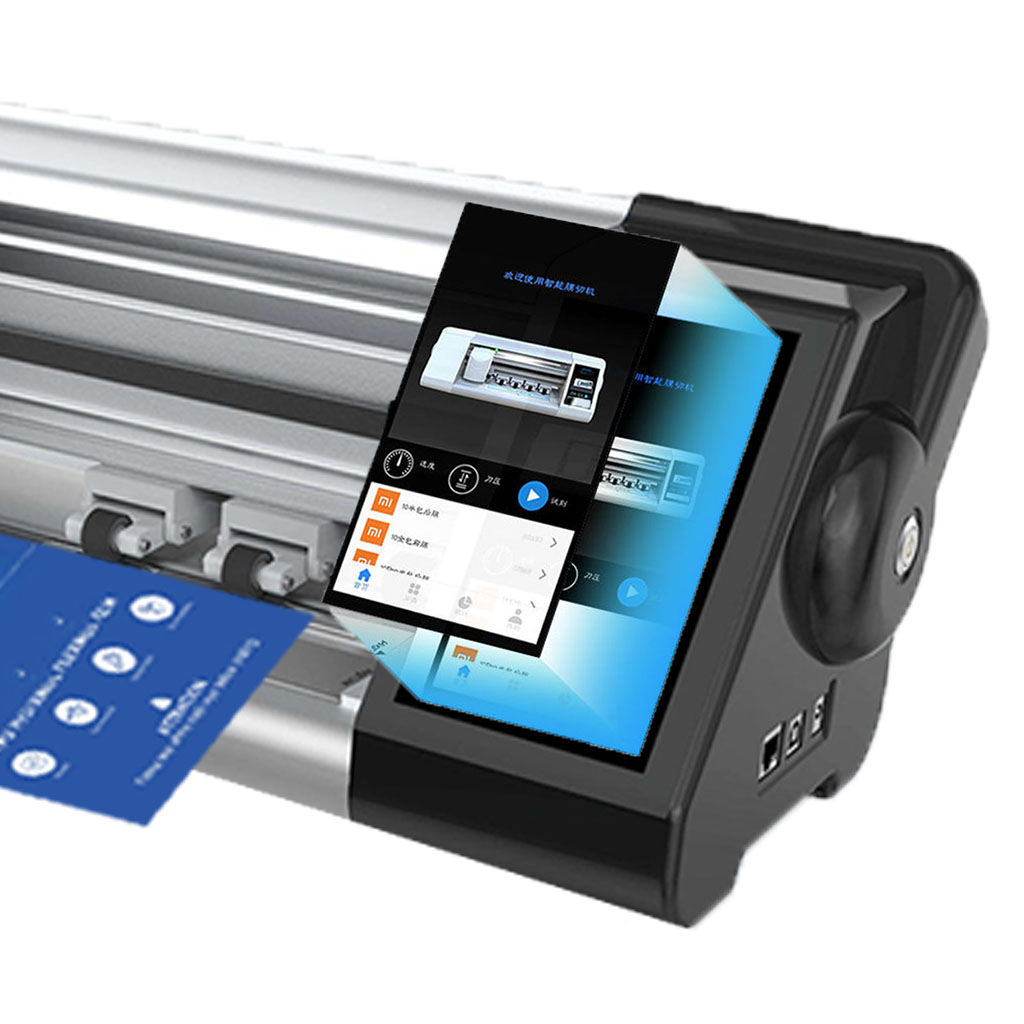
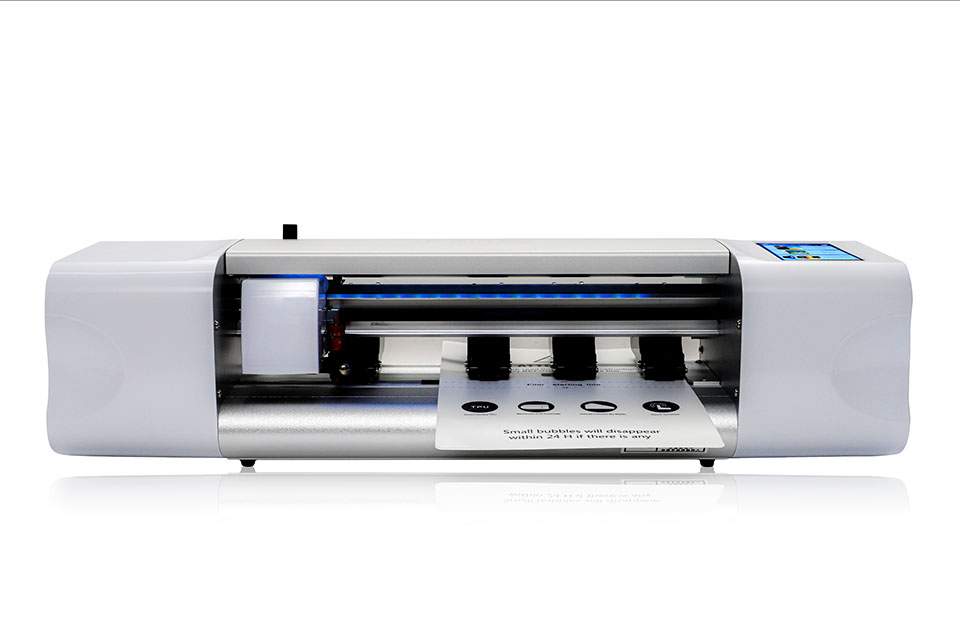
Une machine à découper les protections d'écran est un appareil spécialisé conçu pour produire des protections d'écran sur mesure pour divers appareils électroniques, notamment les smartphones, les tablettes, les smartwatches, les ordinateurs portables et les moniteurs.
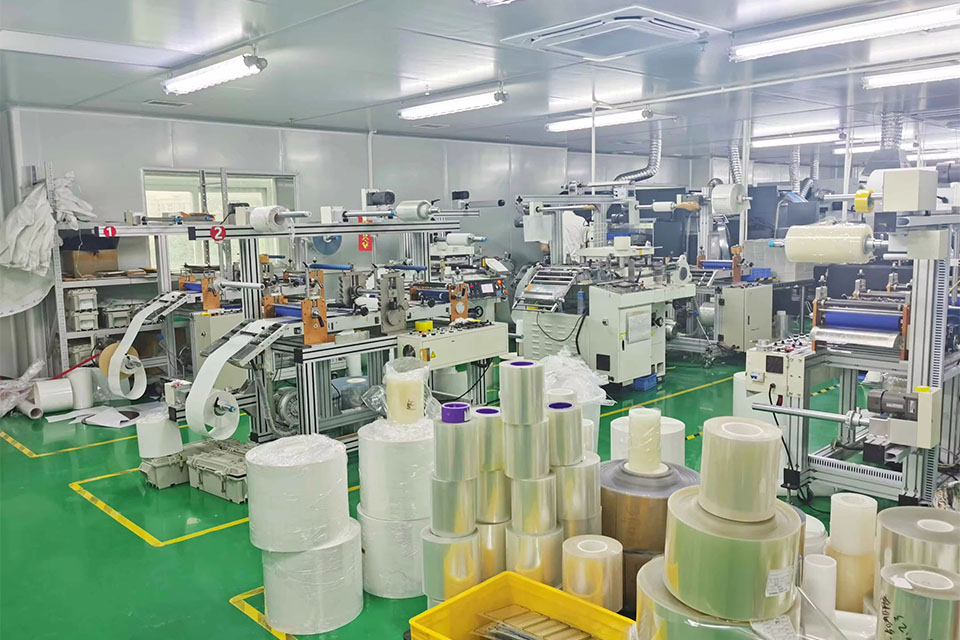
Analyse coûts-avantages de l'investissement dans une machine à découper les lames d'hydrogel
Une analyse coûts-avantages de l'investissement dans une machine de découpe de lames d'hydrogel examine les implications financières, opérationnelles et stratégiques de l'acquisition et de l'utilisation d'un équipement spécialisé pour la découpe de films d'hydrogel.
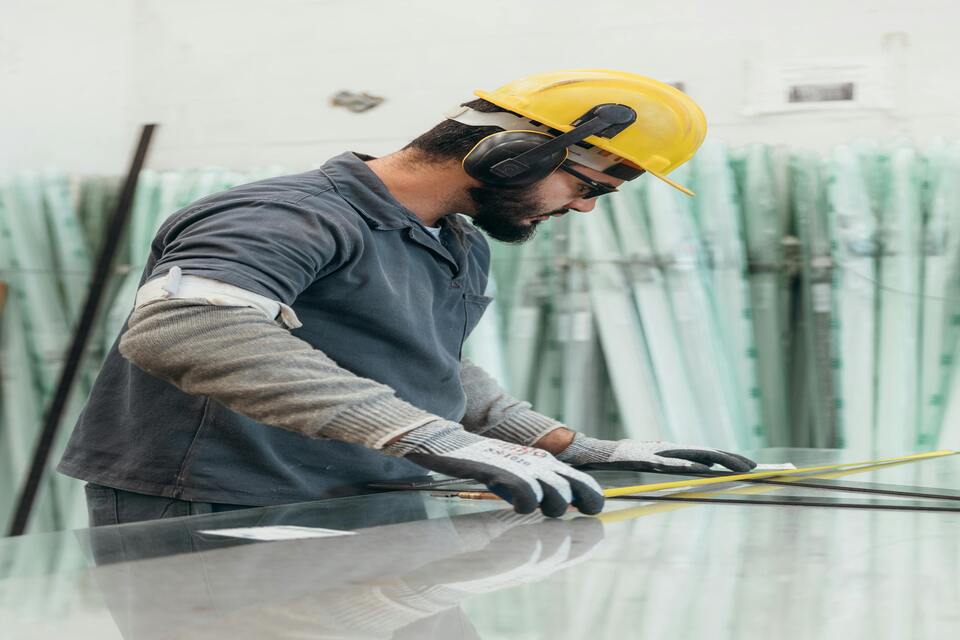
How Do You Get Rid of Bubbles on Screen Protectors?
By following these tips and techniques, you can ensure your screen protector fits perfectly, providing maximum protection for your device.
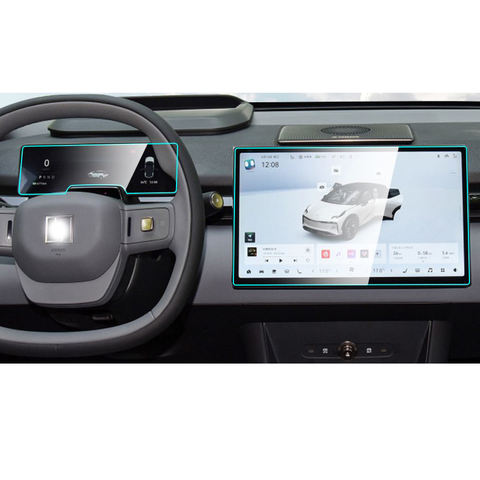
Haval Jolion Touch Screen Tempered Glass
Get the best Haval Jolion Tempered Glass screen protector. Ultra-clear, scratch-resistant, and designed to maintain the touch sensitivity of your display.
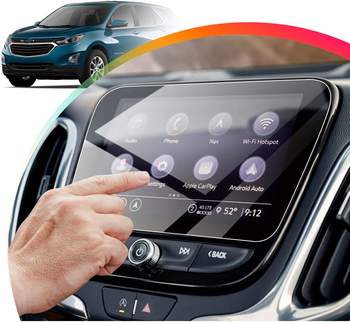
Peugeot 3008 GT GPS Navigation Tempered Glass
Protect your Peugeot 3008 GT’s navigation screen with our premium tempered glass protector.
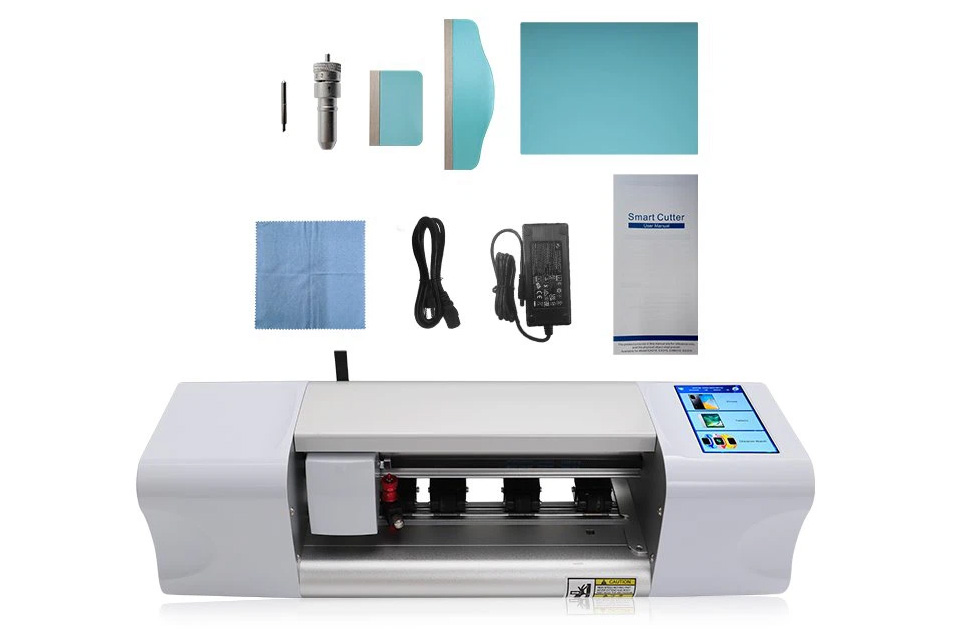
Quelles sont les machines de découpe de films et leurs applications ?
Les machines de découpe de films ont joué un rôle crucial dans l'évolution de la production cinématographique et de divers processus industriels en permettant une découpe et une jonction précises des matériaux cinématographiques.
Qu'est-ce qu'une machine à découper les protections d'écran ?
Une machine à découper les protections d'écran est un appareil spécialisé conçu pour produire des protections d'écran sur mesure pour divers appareils électroniques, notamment les smartphones, les tablettes, les smartwatches, les ordinateurs portables et les moniteurs.
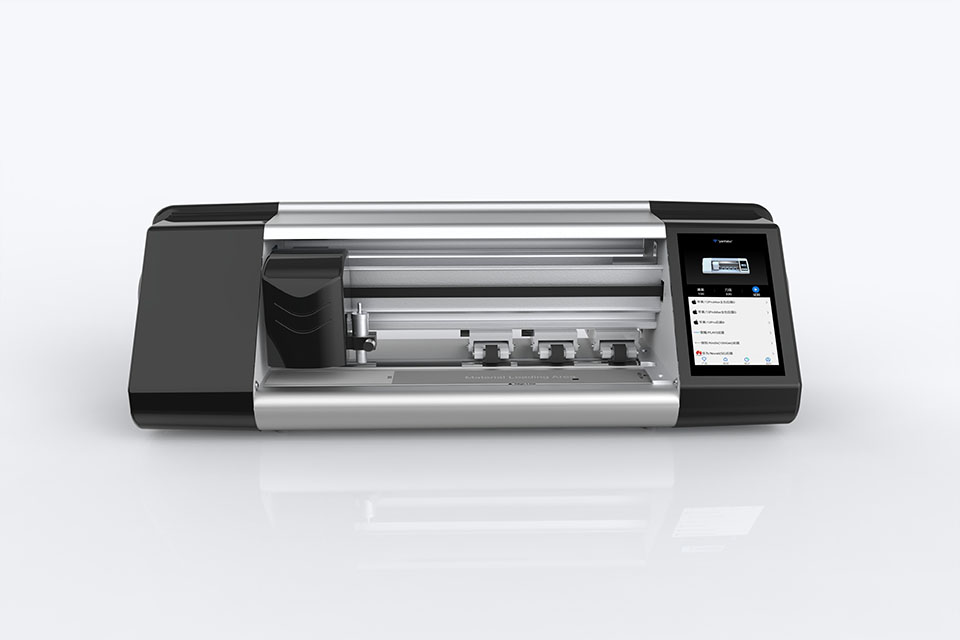
Comment fonctionne la machine à découper les protections d'écran de téléphone portable?
Une machine à découper les protections d'écran de téléphone portable est un appareil sophistiqué conçu pour
produire des protections d'écran personnalisées pour divers appareils numériques avec un haut degré de précision.
et l'efficacité.
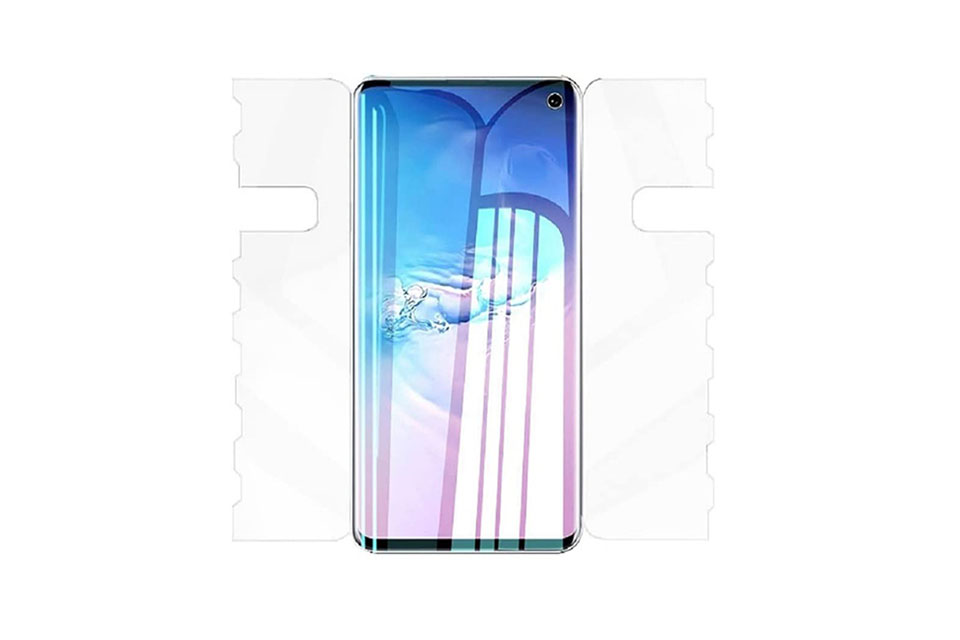
Caractéristiques du verre trempé et du protecteur d'écran TPU pour téléphones portables
Les protections d'écran en polyuréthane thermoplastique (TPU) sont flexibles, durables et
films plastiques auto-cicatrisants conçus pour protéger les écrans d'appareils électroniques contre la corrosion.
les rayures, les impacts et autres dommages potentiels.
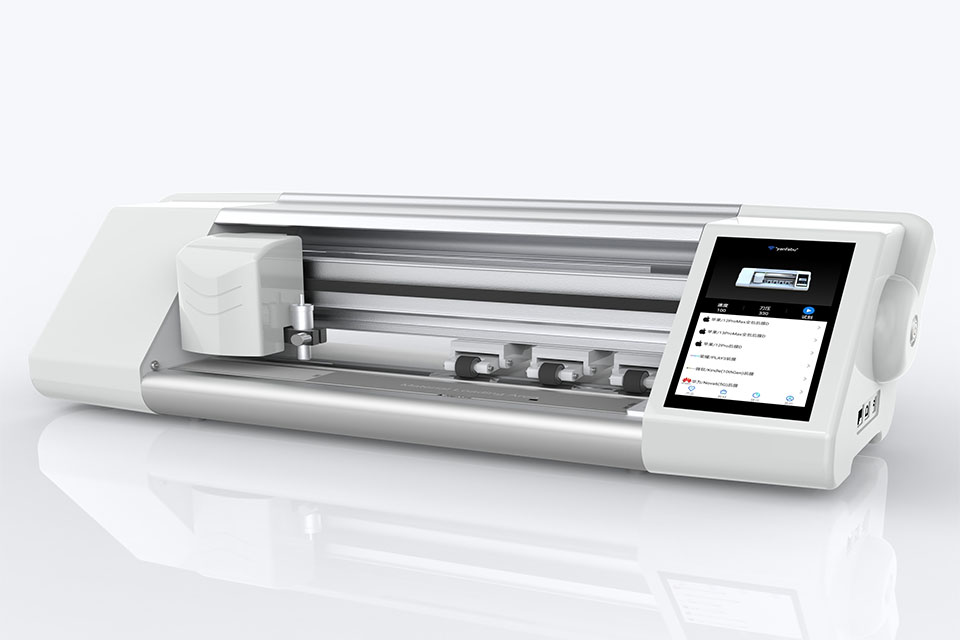
Révolutionner la protection des appareils grâce à la machine à découper les écrans de protection
Que vous possédiez un smartphone, une tablette ou une smartwatch, cette machine polyvalente s'adapte à un large éventail d'appareils. Il s'adapte parfaitement aux dimensions de votre gadget, offrant un ajustement personnalisé que les protecteurs génériques ne peuvent égaler.
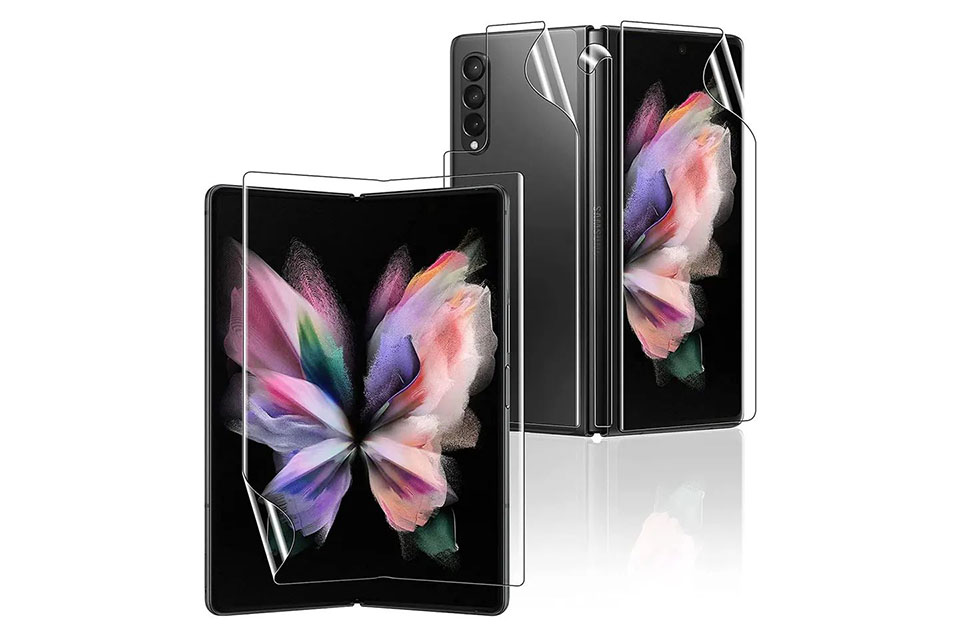
Garantie à vie du protecteur d'écran
La garantie à vie d'un protecteur d'écran est une garantie fournie par les fabricants.
s'engage à réparer ou à remplacer un protecteur d'écran pendant toute la durée de vie du produit, selon des conditions spécifiques.