
화면 보호기란 무엇인가요?
Screen protectors are thin layers of material applied to the screens of electronic devices to protect them from scratches, cracks, and other forms of damage. They are essential for maintaining the longevity and functionality of your device. With the rise of smartphones and tablets, screen protectors have become a staple accessory for many users.Screen protectors come in various materials, including plastic, tempered glass, and hydrogel. Each type offers different levels of protection and user experience. Understanding these differences is key to choosing the right one for your device.Hydrogel Screen Protector: An Overview
Hydrogel screen protectors are made from a soft, flexible material that can absorb impacts and resist scratches. They are known for their self-healing properties, which allow minor scratches to disappear over time. This makes them an attractive option for users who want a screen protector that maintains a pristine appearance.One of the standout features of hydrogel protectors is their thinness. They are often less noticeable than other types of protectors, providing a more seamless look and feel. This can be particularly appealing for users who prioritize aesthetics and touch sensitivity.
Tempered Glass Screen Protector: An Overview
Tempered glass screen protectors are made from toughened glass that offers superior protection against drops and impacts. They are thicker than hydrogel protectors, providing a robust barrier between your device’s screen and the outside world. This makes them a popular choice for users who prioritize durability.The clarity and touch sensitivity of tempered glass protectors are often praised. They provide a smooth, glass-like feel that closely mimics the original screen, enhancing the user experience. However, their thickness can sometimes make them more noticeable than hydrogel protectors.Hydrogel vs. Tempered Glass: Key Differences
When comparing hydrogel and tempered glass screen protectors, several key differences emerge. Hydrogel protectors are known for their flexibility and self-healing properties, while tempered glass protectors offer superior durability and impact resistance.Hydrogel protectors are generally thinner and less noticeable, making them a good choice for users who want a seamless look. On the other hand, tempered glass protectors provide a more robust layer of protection, ideal for users who are rough on their devices.Self-Healing Properties of Hydrogel Protectors
One of the most appealing features of hydrogel screen protectors is their self-healing ability. Minor scratches and scuffs can disappear over time, keeping the protector looking new. This is achieved through the material’s unique composition, which allows it to “heal” itself.This self-healing property is particularly beneficial for users who frequently handle their devices in environments where scratches are likely. It ensures that the screen protector remains clear and free of blemishes, enhancing the overall appearance of the device.
Durability and Strength: Tempered Glass Advantages
Tempered glass screen protectors are renowned for their durability and strength. They are designed to withstand significant impacts, protecting your device’s screen from cracks and shattering. This makes them an excellent choice for users who are prone to dropping their devices.The strength of tempered glass protectors is due to the toughening process they undergo during manufacturing. This process increases the glass’s resistance to damage, providing a reliable layer of protection for your device.Installation Process: Which is Easier?
The installation process for screen protectors can vary depending on the type. Hydrogel protectors are often easier to install due to their flexibility, which allows them to conform to the screen’s surface without bubbles or misalignment.Tempered glass protectors, while more rigid, can also be installed with ease if done carefully. However, their thickness can sometimes make alignment more challenging. It’s important to follow the manufacturer’s instructions closely to ensure a successful installation.Cost Comparison: Are Hydrogel Protectors More Expensive?
When it comes to cost, hydrogel screen protectors are generally more affordable than tempered glass options. This makes them an attractive choice for budget-conscious users who still want effective screen protection.However, it’s important to consider the long-term value of each type. While hydrogel protectors may be cheaper upfront, tempered glass protectors offer superior durability, potentially saving you money on replacements in the long run.User Experience: Touch Sensitivity and Clarity
Both hydrogel and tempered glass screen protectors offer excellent touch sensitivity and clarity, but there are subtle differences. Hydrogel protectors are often praised for their seamless feel, closely mimicking the original screen’s touch experience.Tempered glass protectors, while slightly thicker, provide a smooth, glass-like surface that enhances the user experience. The choice between the two often comes down to personal preference and the specific needs of the user.
Which Screen Protector is Right for You?
Choosing the right screen protector depends on your priorities and lifestyle. If you value a seamless look and self-healing properties, a hydrogel protector may be the best choice. However, if durability and impact resistance are your top concerns, a tempered glass protector is likely the better option.Consider your device usage habits and the environments in which you use your device. This will help you determine which type of screen protector will provide the best protection and user experience for your needs.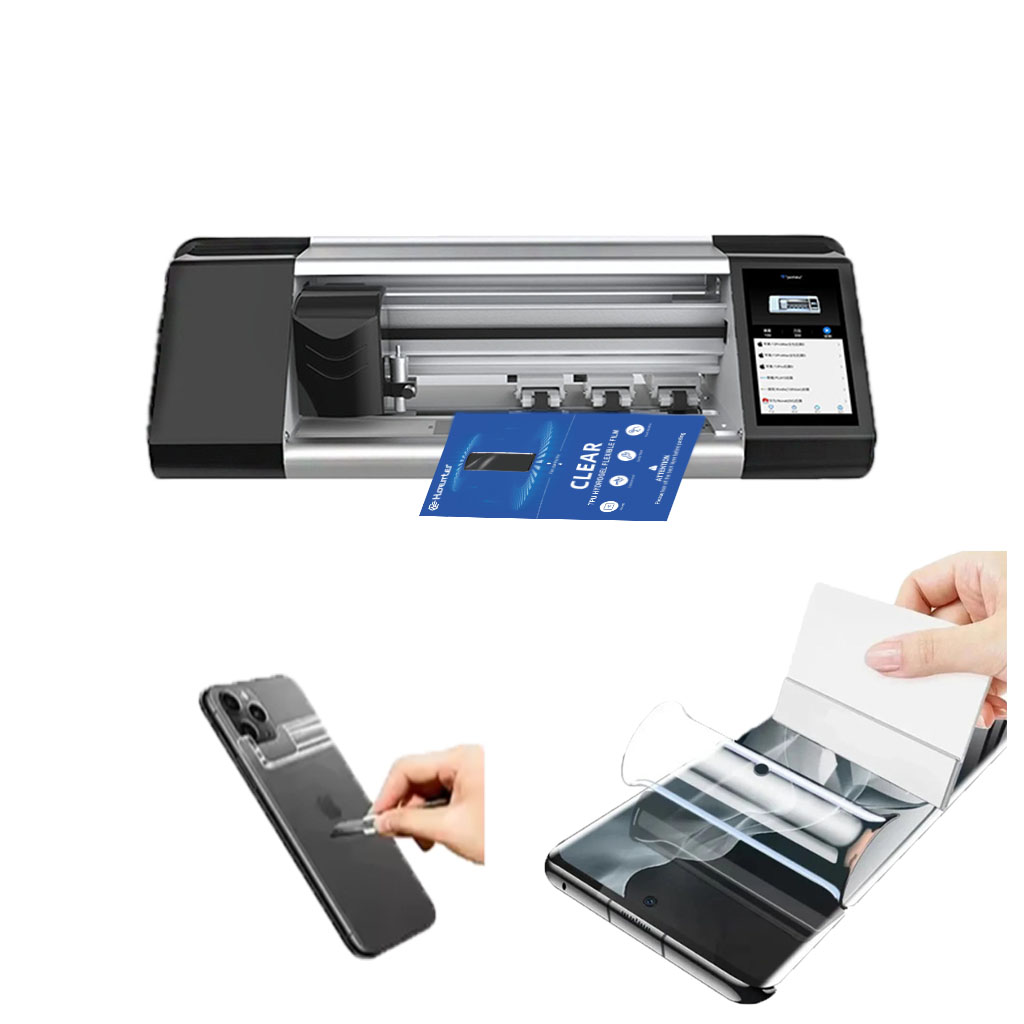
기술 마스터하기: 전문가처럼 화면 보호기를 설치하는 방법
소중한 기기에 화면 보호기를 붙일 때 기포와 잘못된 정렬로 고생하는 데 지치셨나요? 더 이상 고민하지 마세요! 이 종합 가이드는 노련한 전문가처럼 화면 보호기를 붙이는 과정을 안내해 드립니다. 강화유리 화면 보호기를 사용하든 일반 필름을 사용하든 관계없이 모든 것을 다룹니다. 전문가의 팁과 요령, 기포 없이 매번 완벽하고 완벽하게 부착할 수 있는 기술을 알아보세요.
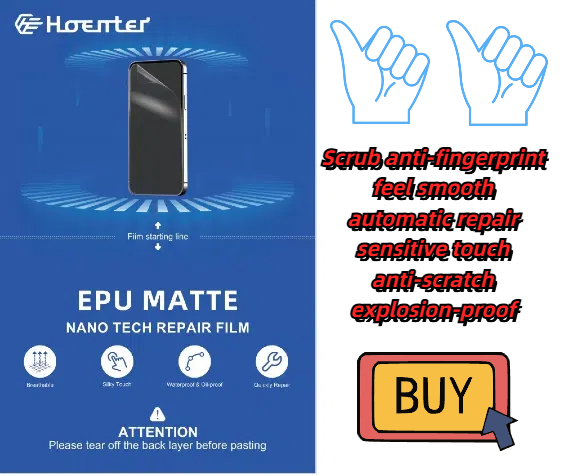
Wholesale Self Healing EPU Matte Screen Protector
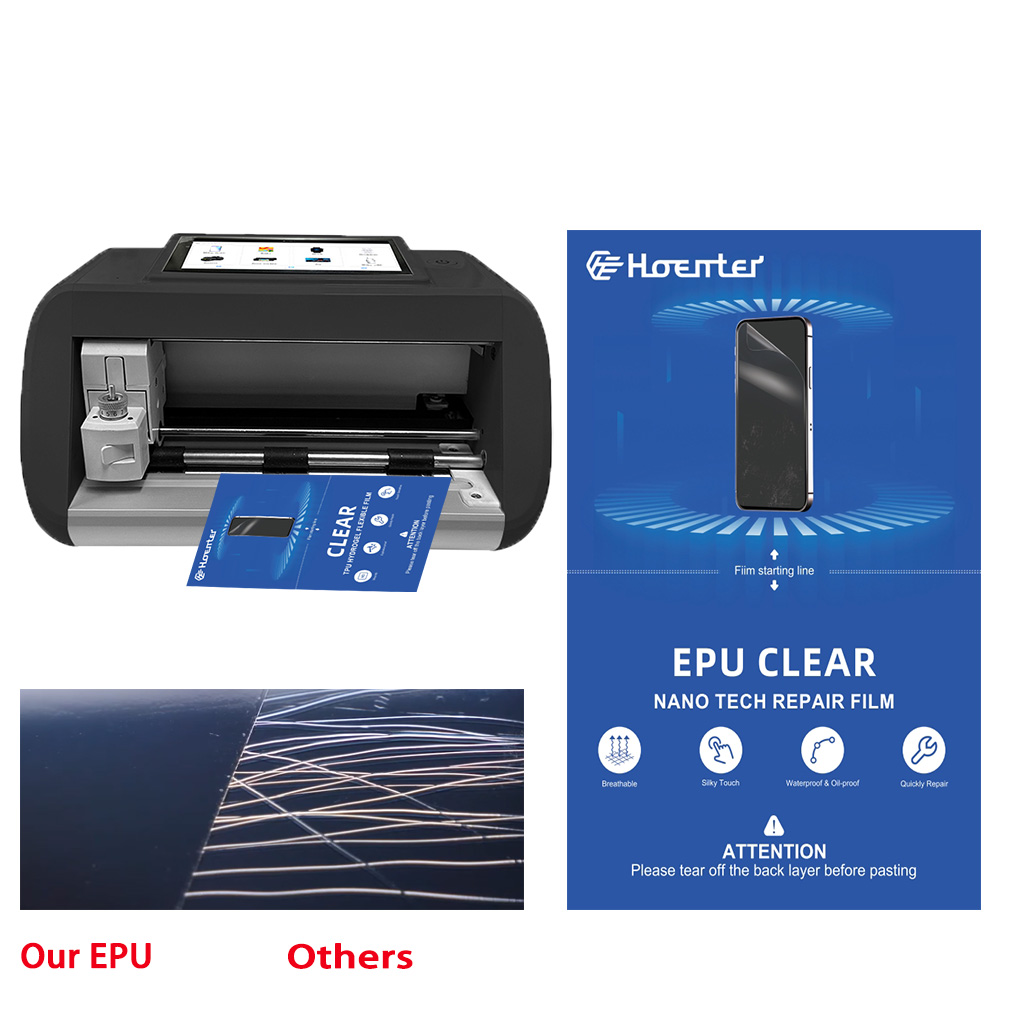
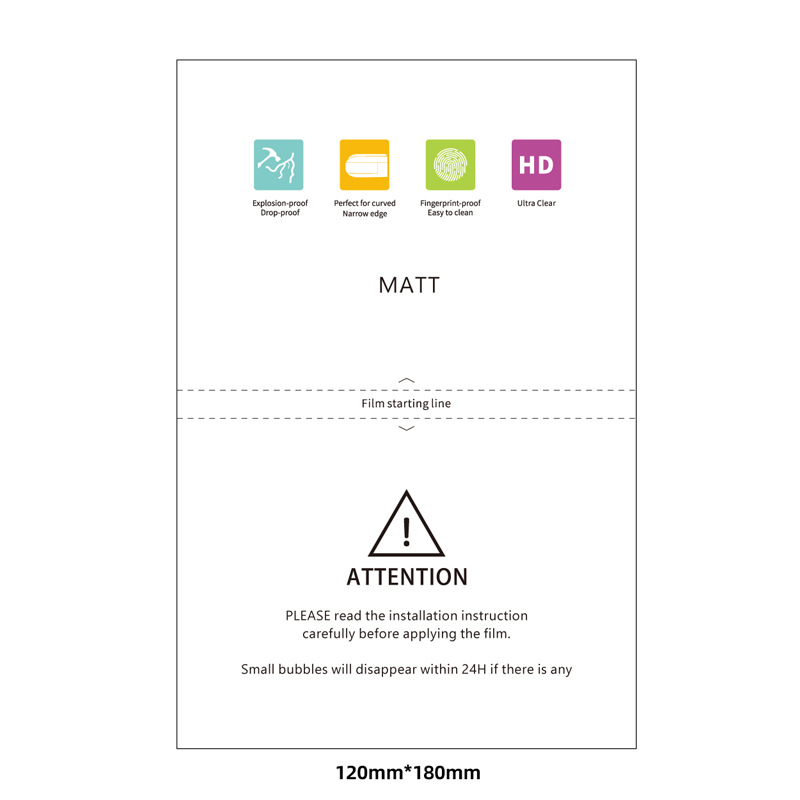
Looking for self healing screen protectors wholesale? Our EPU matte film offers unbeatable protection and clarity for your customers’ devices.
다양한 유형의 모바일 스킨 커팅 플로터 비교 - 어떤 것이 나에게 적합할까요?
모바일 스킨 커팅 플로터는 휴대폰 및 기타 전자 기기용 맞춤형 스킨을 제작하도록 설계된 특수 기기입니다.
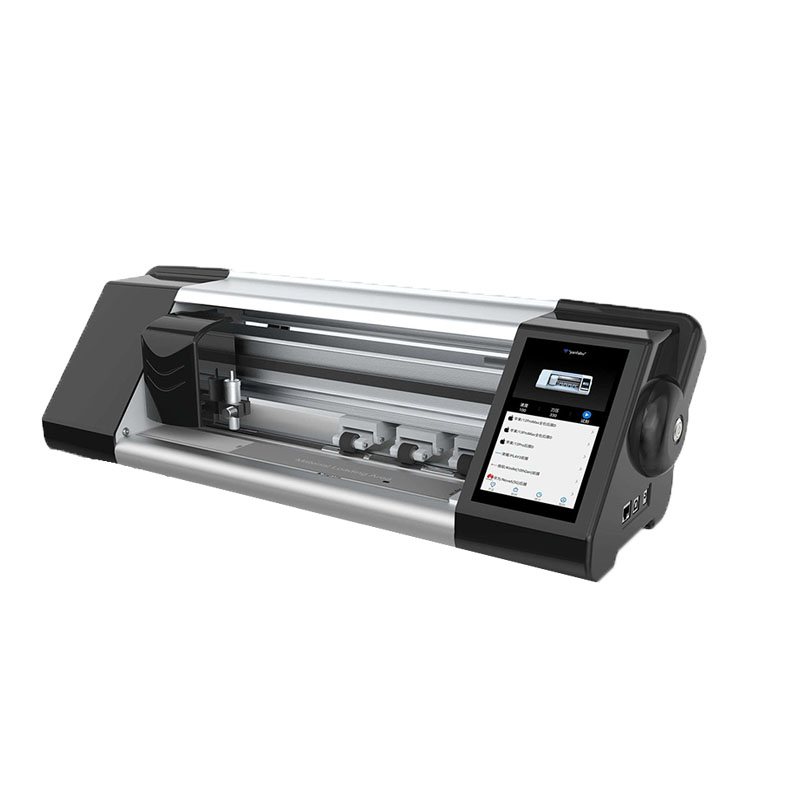
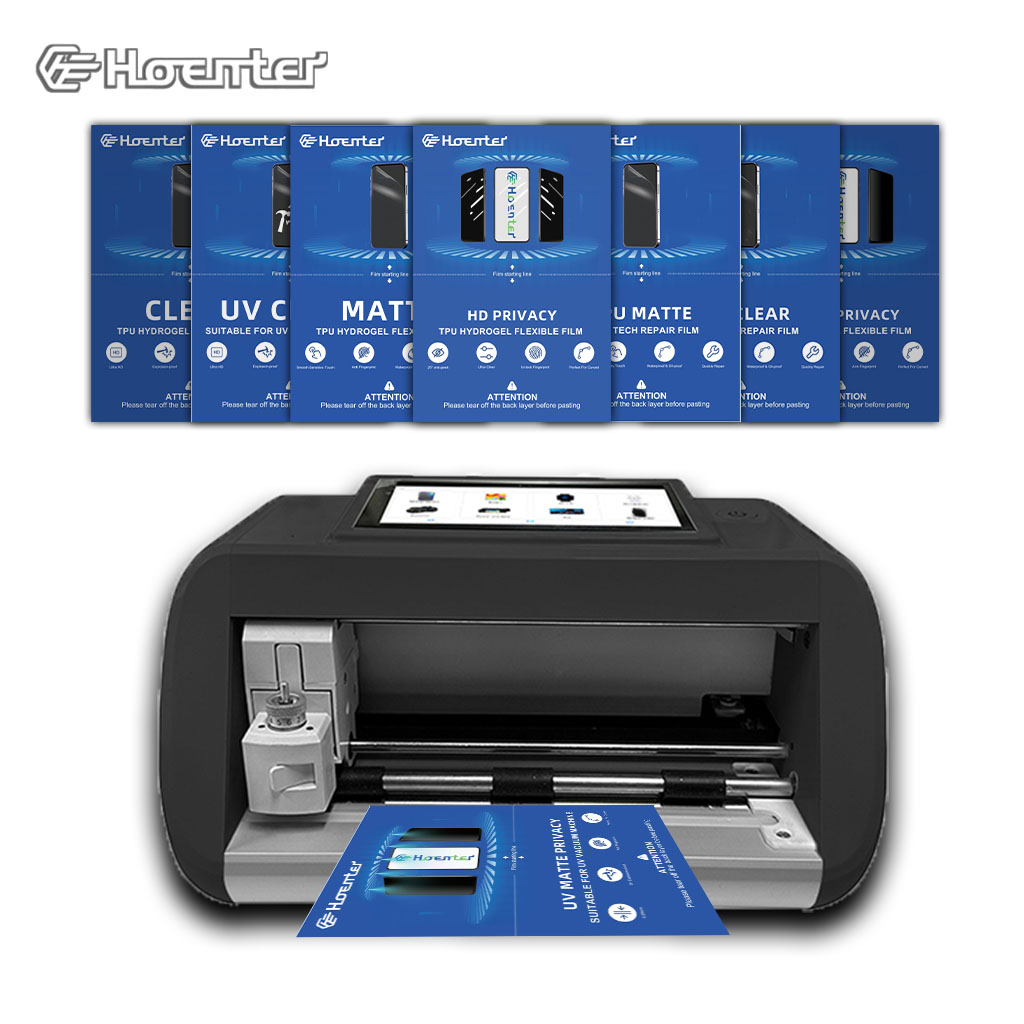
휴대폰 화면 보호기 절단기
Boost your profits with our advanced film cutting machines. Ideal for phone stores, repair shops, & wholesalers. Cut perfect-fit screen protectors on-demand for any device. Contact us for factory-direct pricing!
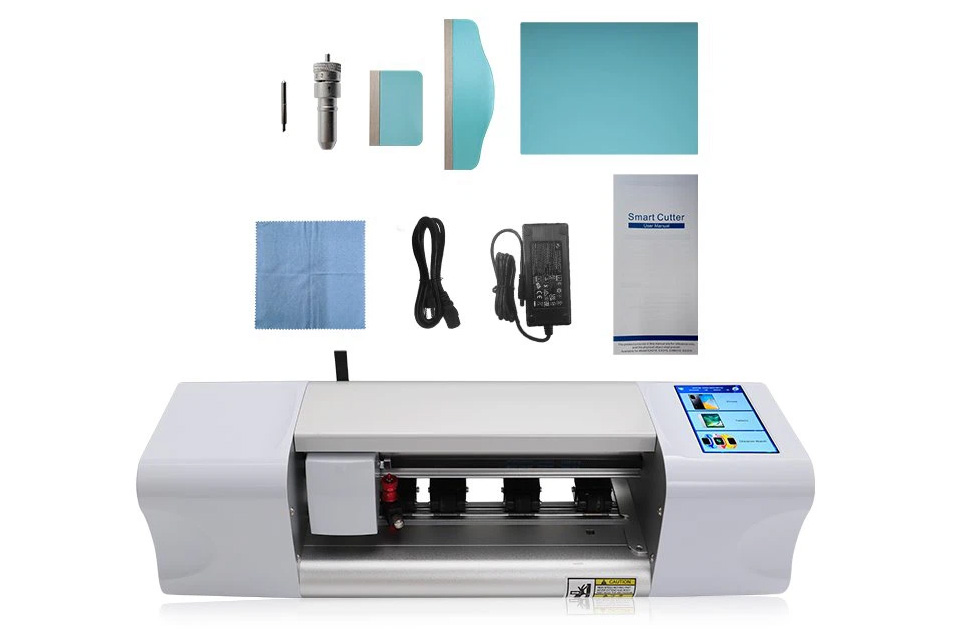
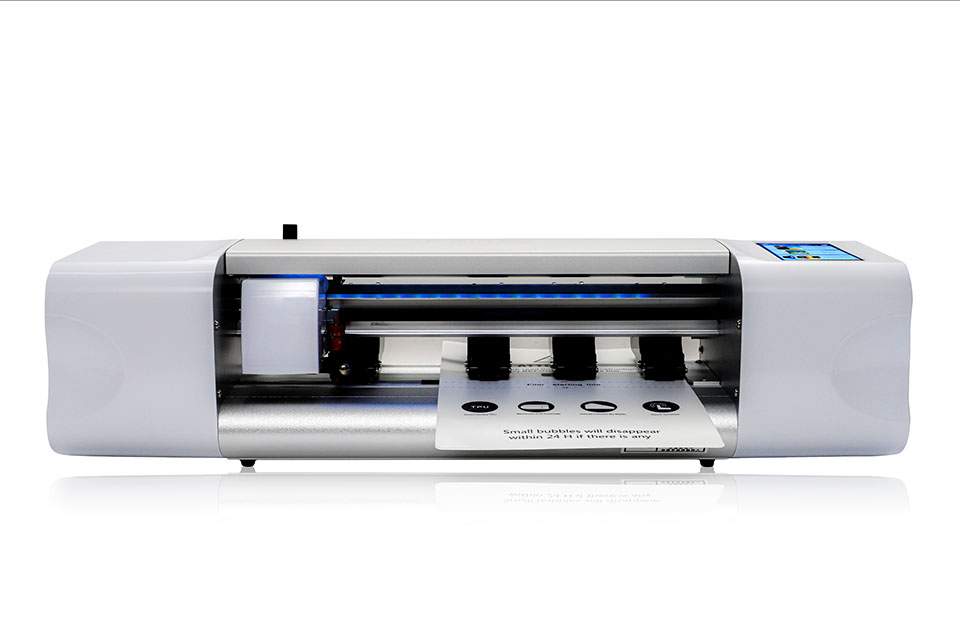
화면 보호기 커팅기란 무엇인가요?
화면 보호기 커팅기는 스마트폰, 태블릿, 스마트워치, 노트북, 모니터 등 다양한 전자기기에 맞는 맞춤형 화면 보호기를 제작하기 위해 고안된 전문 장비입니다.
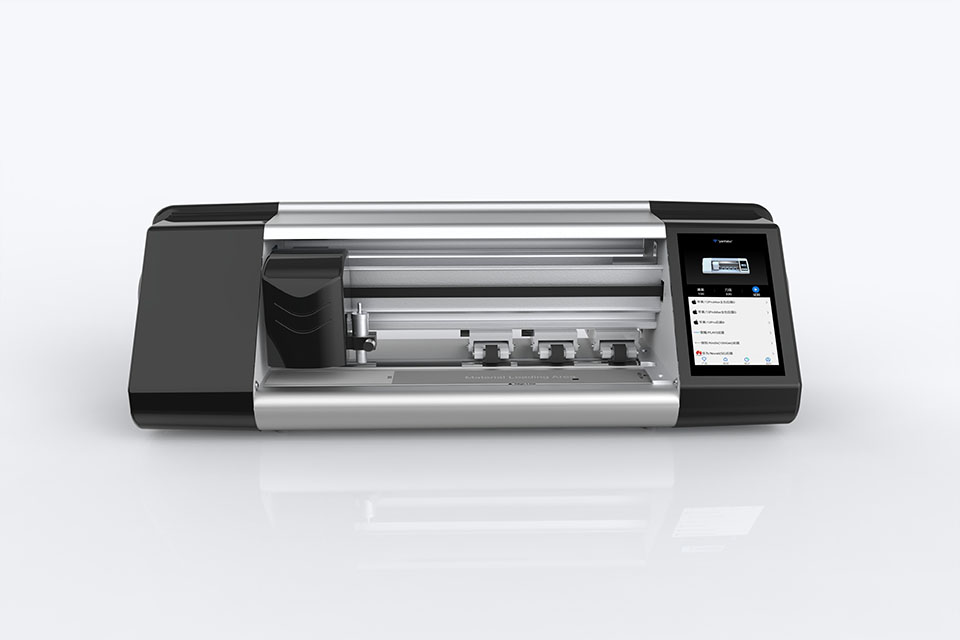
휴대폰 화면 보호기 절단기는 어떻게 작동합니까?
휴대폰 화면 보호기 절단기는 다음과 같이 설계된 정교한 장치입니다.
고가의 다양한 디지털 기기를 위한 맞춤형 화면 보호기를 생산합니다.
효율성.
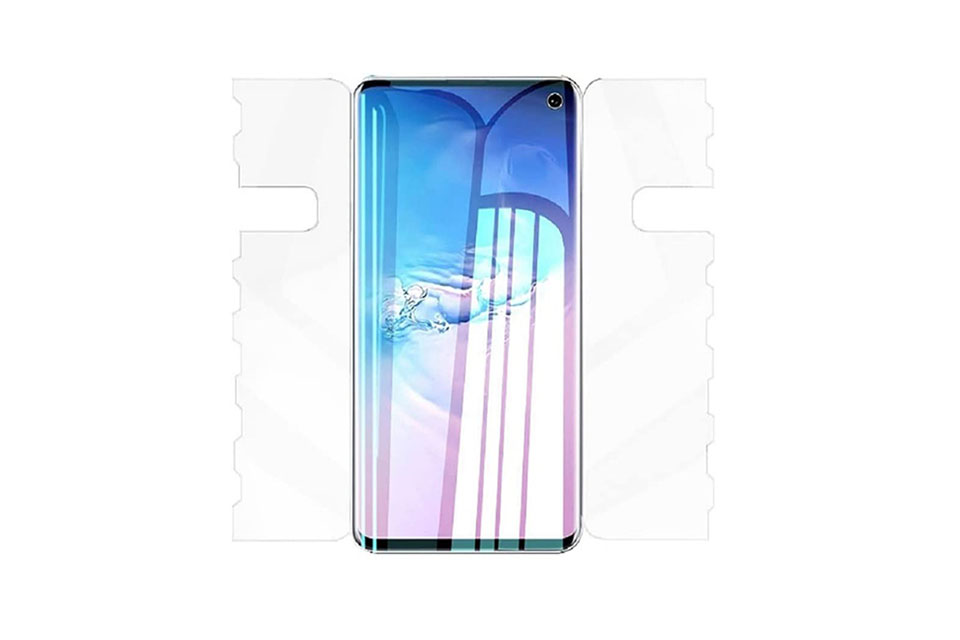
휴대폰 강화 유리 및 휴대폰 TPU 화면 보호기의 특성
열가소성 폴리우레탄(TPU) 화면 보호기는 유연하고 내구성이 뛰어나며
전자 기기 화면을 보호하도록 설계된 자가 치유 플라스틱 필름은 다음과 같습니다.
긁힘, 충격 및 기타 잠재적 손상.
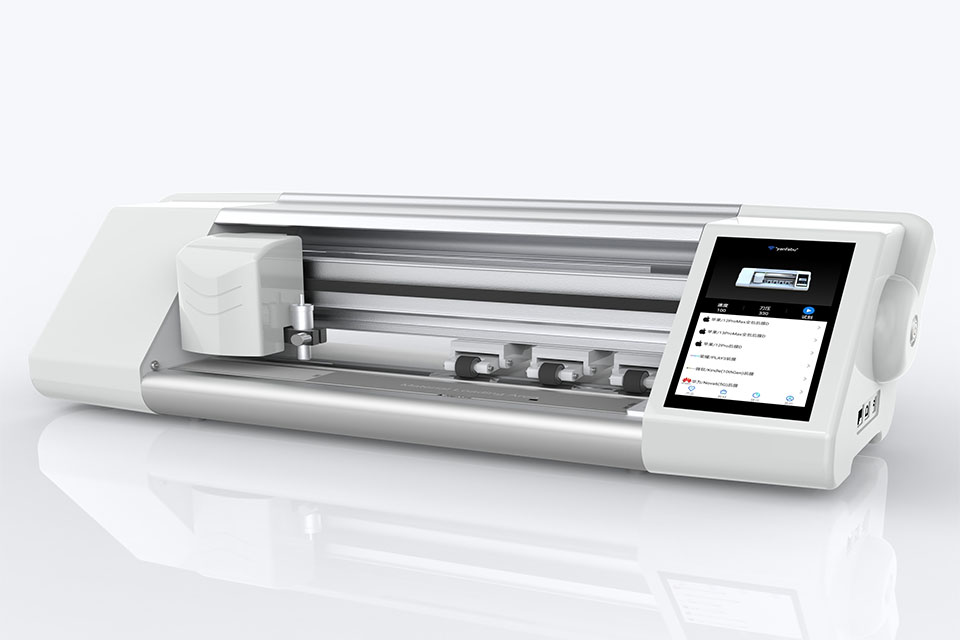
스크린 가드 절단기로 디바이스 보호 혁신
스마트폰, 태블릿, 스마트워치 등 다양한 기기를 사용할 수 있는 다목적 기기입니다. 기기의 크기에 맞춰 매끄럽게 조정되어 일반 보호기는 따라잡을 수 없는 맞춤형 핏을 제공합니다.
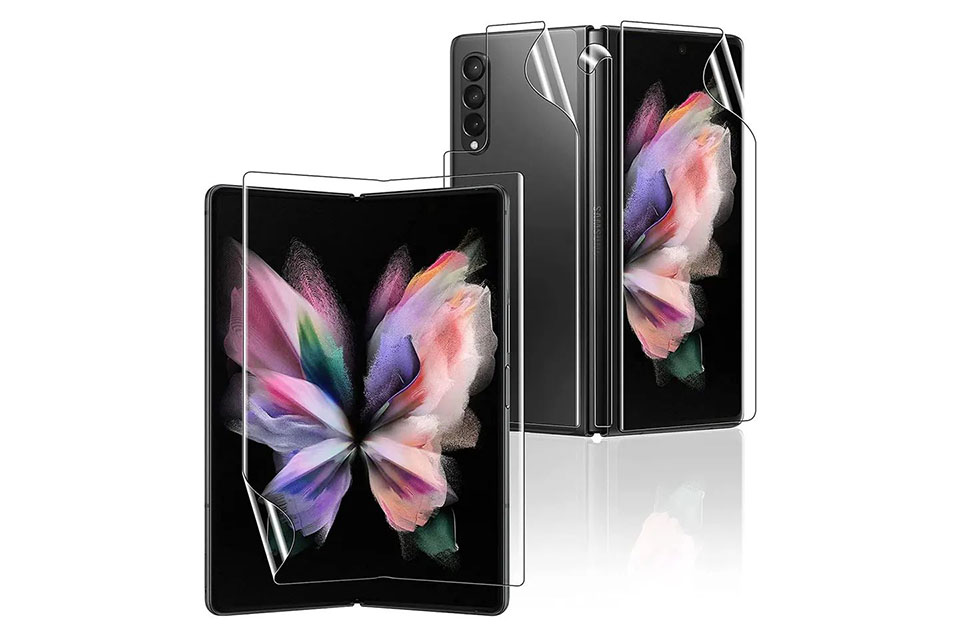
화면 보호기 평생 보증
화면 보호기 평생 보증은 제조업체에서 제공하는 보증입니다.
는 특정 이용 약관에 따라 제품 수명 기간 동안 화면 보호기를 수리 또는 교체할 것을 약속합니다.