What is a Tempered Glass Screen Protector?
Tempered glass screen protectors are made from glass that has been treated to increase its strength. This process involves heating the glass and then cooling it rapidly, which makes it much more durable than regular glass. 钢化玻璃 protectors are known for their ability to withstand scratches and impacts, often rated at 9H on the hardness scale, which is just below diamond.These protectors are popular because they offer a clear, smooth surface that feels similar to the original phone screen. They are also relatively easy to clean and maintain. However, they can be thicker than other types of protectors, which might affect the phone’s aesthetics slightly.
Understanding Hydrogel Screen Protectors
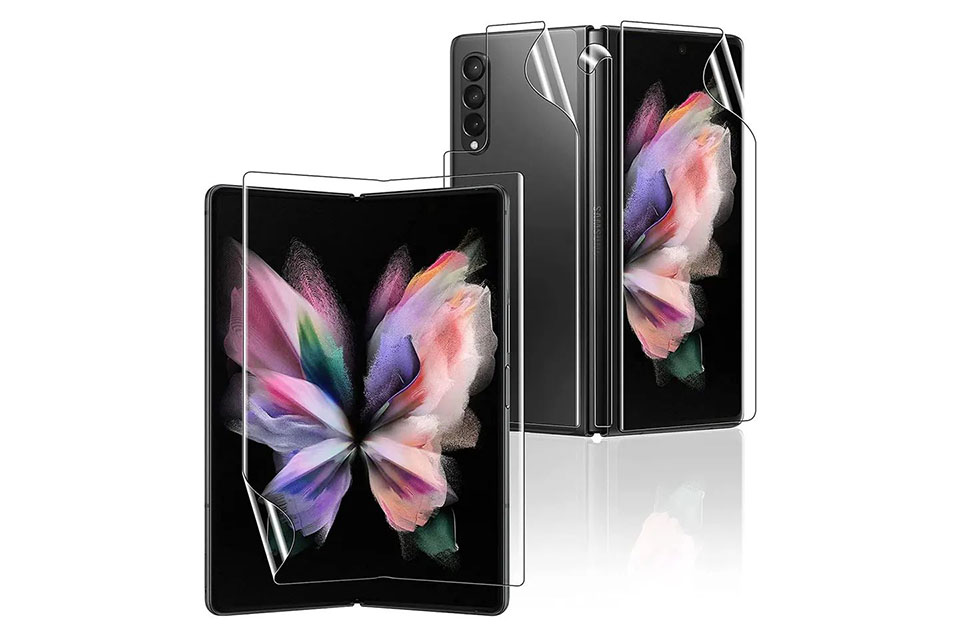
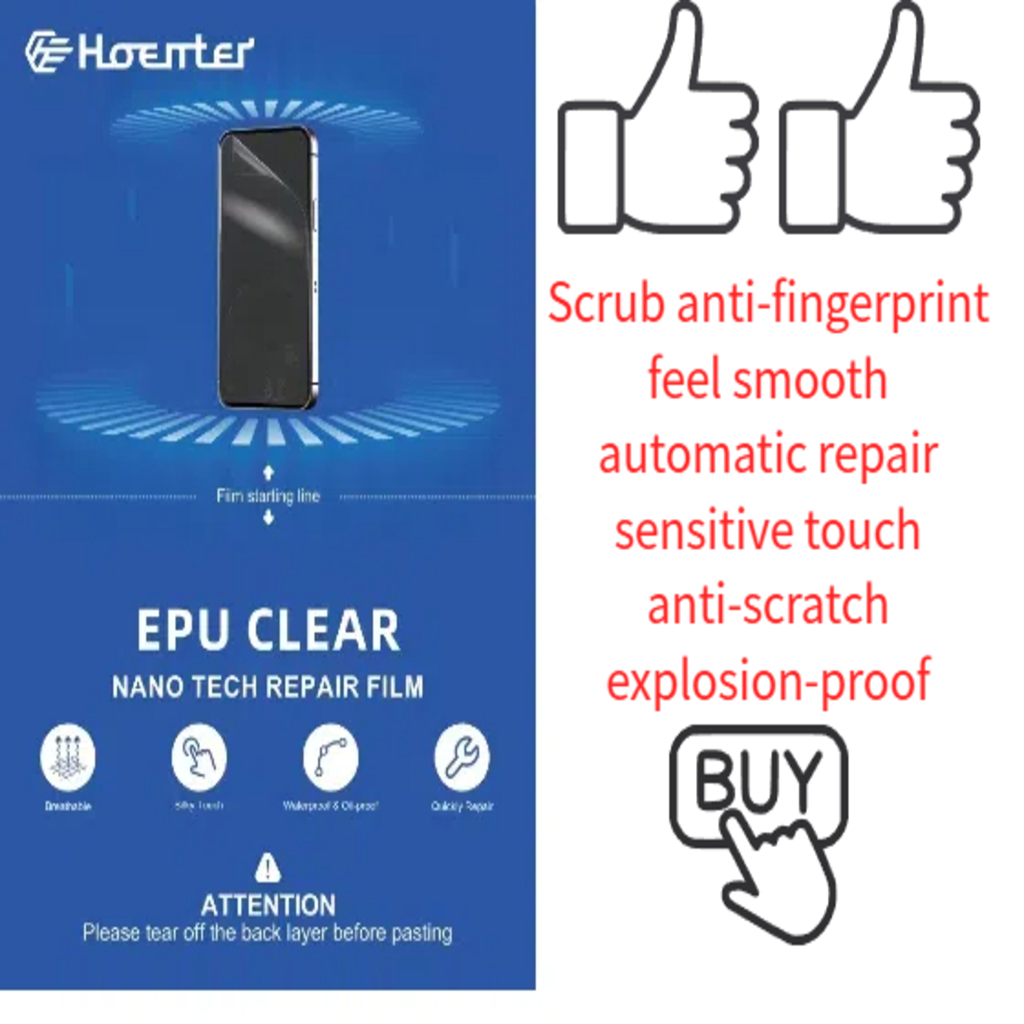
Hydrogel screen protectors are a newer technology in the world of phone protection. Made from a flexible, gel-like material, hydrogel protectors are designed to absorb impacts and self-heal minor scratches. This makes them an attractive option for those who want a protector that can adapt to minor wear and tear over time.One of the standout features of hydrogel protectors is their thinness. They are often much thinner than tempered glass, which means they can maintain the original look and feel of your phone. Additionally, their flexibility allows them to cover curved screens more effectively than rigid glass protectors.
Tempered Glass vs. Hydrogel: Which Offers Better Protection?
When it comes to protection, both tempered glass and hydrogel have their strengths. 钢化玻璃 is renowned for its ability to protect against significant impacts and scratches. Its hardness means it can take a beating without showing signs of wear.另一方面, 水凝胶 protectors excel in their ability to absorb shocks and self-heal. While they might not be as hard as tempered glass, their flexibility allows them to disperse the energy from impacts, potentially reducing the risk of screen damage.
How Do Tempered Glass and Hydrogel Affect Screen Clarity?
Screen clarity is a crucial factor for many users. 钢化玻璃 protectors are often praised for their crystal-clear transparency, which allows for an unobstructed view of the screen. They also tend to resist fingerprints and smudges better than other materials.水凝胶 protectors, while also clear, might not offer the same level of transparency as tempered glass. However, they are designed to reduce glare and reflections, which can enhance visibility in bright conditions. The choice between the two often comes down to personal preference and the specific conditions in which you use your phone.
Durability: Which Protector Lasts Longer?
In terms of durability, 钢化玻璃 protectors generally have the edge. Their hardness and resistance to scratches mean they can last a long time without needing replacement. However, if they do crack, they will need to be replaced entirely.水凝胶 protectors, while not as hard, offer the advantage of self-healing. Minor scratches and scuffs can disappear over time, extending the life of the protector. However, they might need to be replaced more frequently if subjected to heavy use.
Installation: Is Tempered Glass or Hydrogel Easier to Apply?
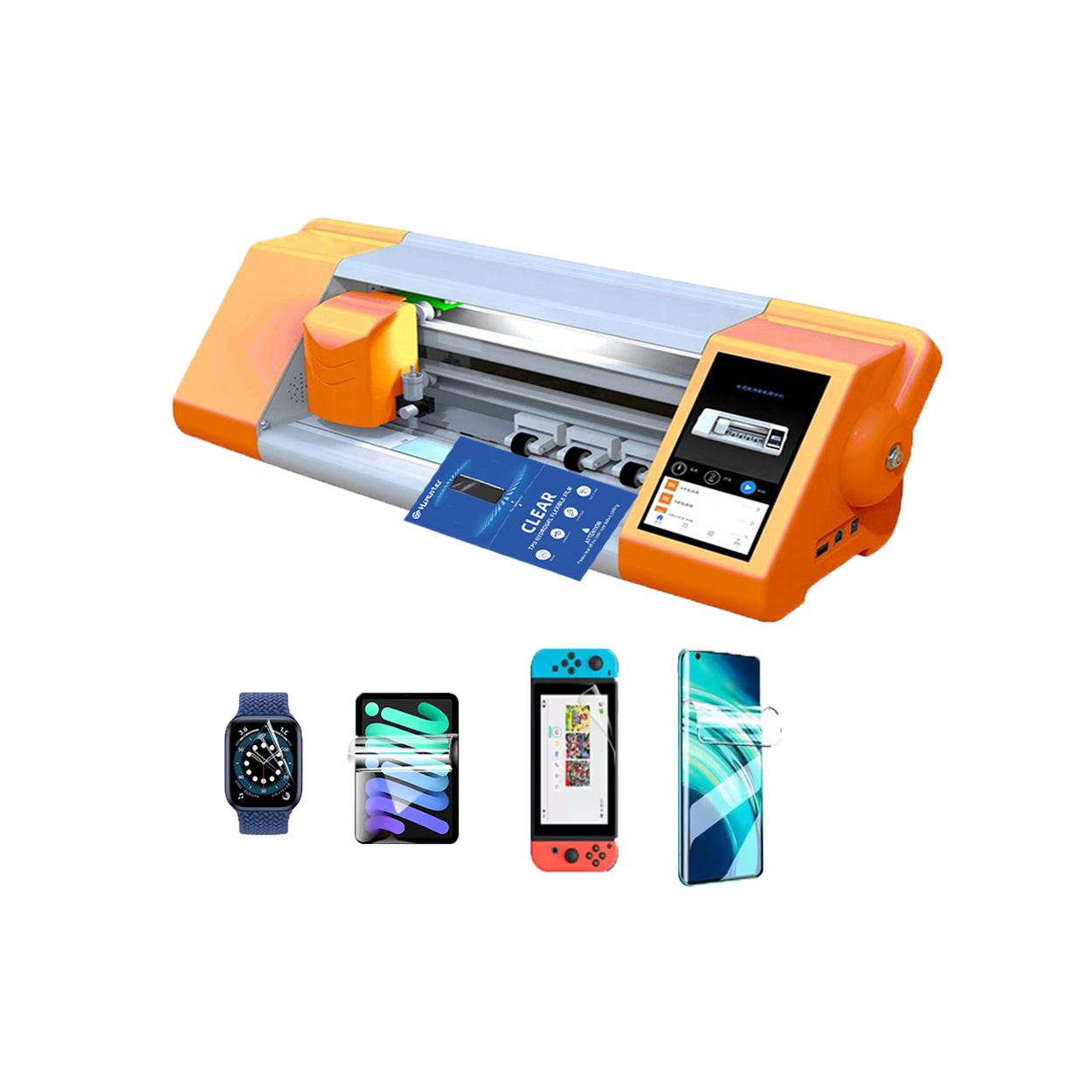
Installing a screen protector can be a daunting task, but both 钢化玻璃 和 水凝胶 protectors have their own installation processes. Tempered glass protectors are typically easier to align and apply due to their rigidity. They often come with installation kits that include cleaning wipes and dust removers to ensure a bubble-free application.水凝胶 protectors, being more flexible, can be a bit trickier to apply. They require careful alignment and smoothing to avoid bubbles. However, their flexibility allows them to conform to curved screens more easily, which can be a significant advantage for phones with edge displays.
Cost Comparison: Which is More Budget-Friendly?
Cost is always a consideration when choosing a screen protector. 钢化玻璃 protectors are generally more expensive due to their material and manufacturing process. However, their durability can make them a cost-effective choice in the long run.水凝胶 protectors are often cheaper upfront, making them an attractive option for budget-conscious consumers. Their self-healing properties can also reduce the need for frequent replacements, potentially saving money over time.
User Experience: How Do They Feel to the Touch?
The feel of a screen protector can significantly impact the user experience. 钢化玻璃 protectors are often preferred for their smooth, glass-like feel, which closely mimics the original screen. They also tend to be more resistant to fingerprints and smudges.水凝胶 protectors, while not as smooth, offer a unique tactile experience. Their slightly softer surface can provide a better grip, which some users find appealing. Additionally, their ability to reduce glare can enhance visibility in bright environments.
Environmental Impact: Which is More Eco-Friendly?
In today’s environmentally conscious world, the impact of our choices is more important than ever. 钢化玻璃 protectors, while durable, are not biodegradable and can contribute to electronic waste if not disposed of properly.水凝胶 protectors, on the other hand, are often made from more environmentally friendly materials. Their ability to self-heal and extend their lifespan can also reduce waste. However, it’s essential to consider the entire lifecycle of the product, including manufacturing and disposal, when assessing its environmental impact.
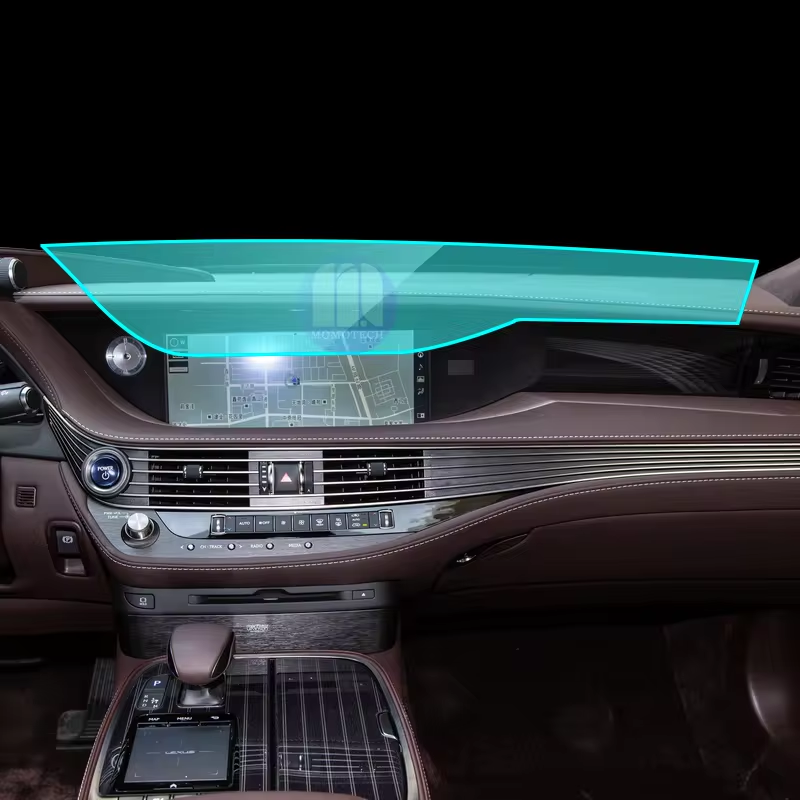
Lexus NX Navigation Tempered Glass
Protect your investment with a high-quality Lexus NX Screen Protector. Prevent scratches and damage to your NX’s navigation display.
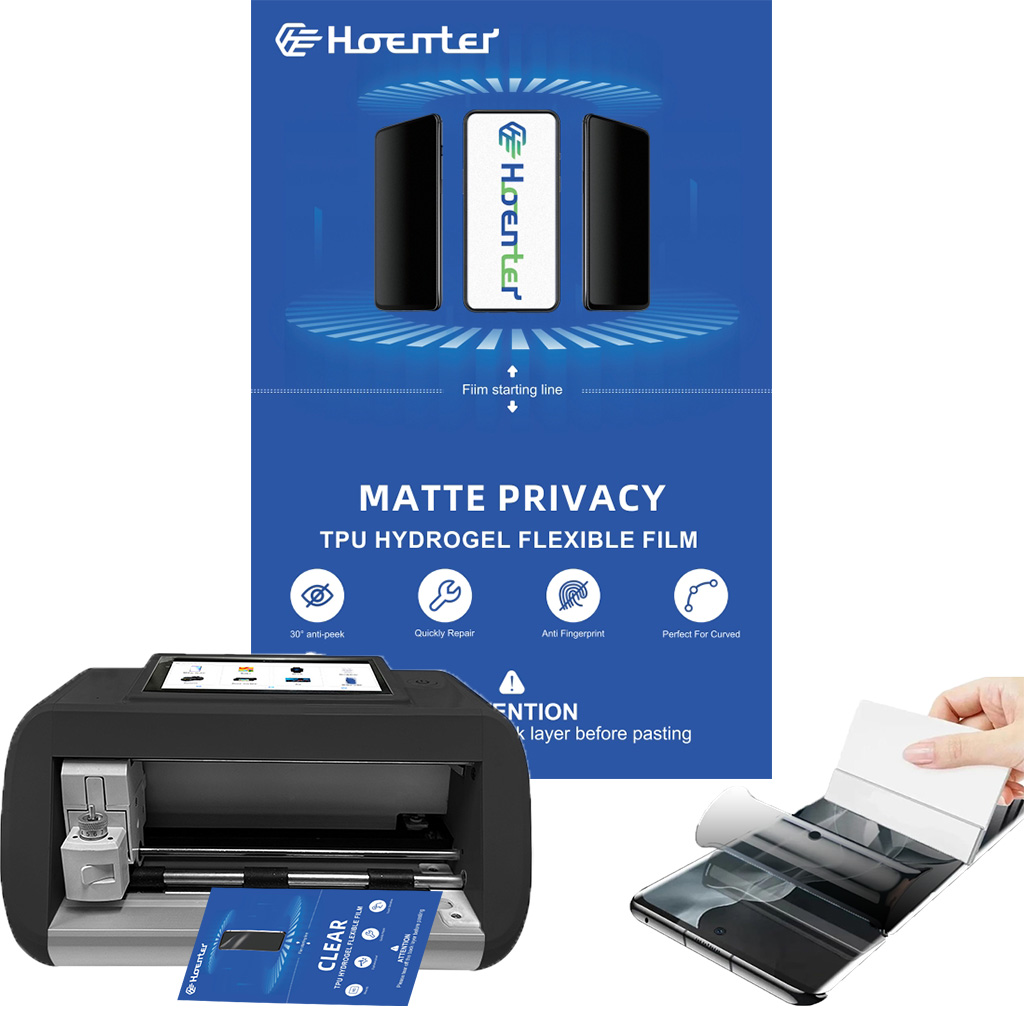
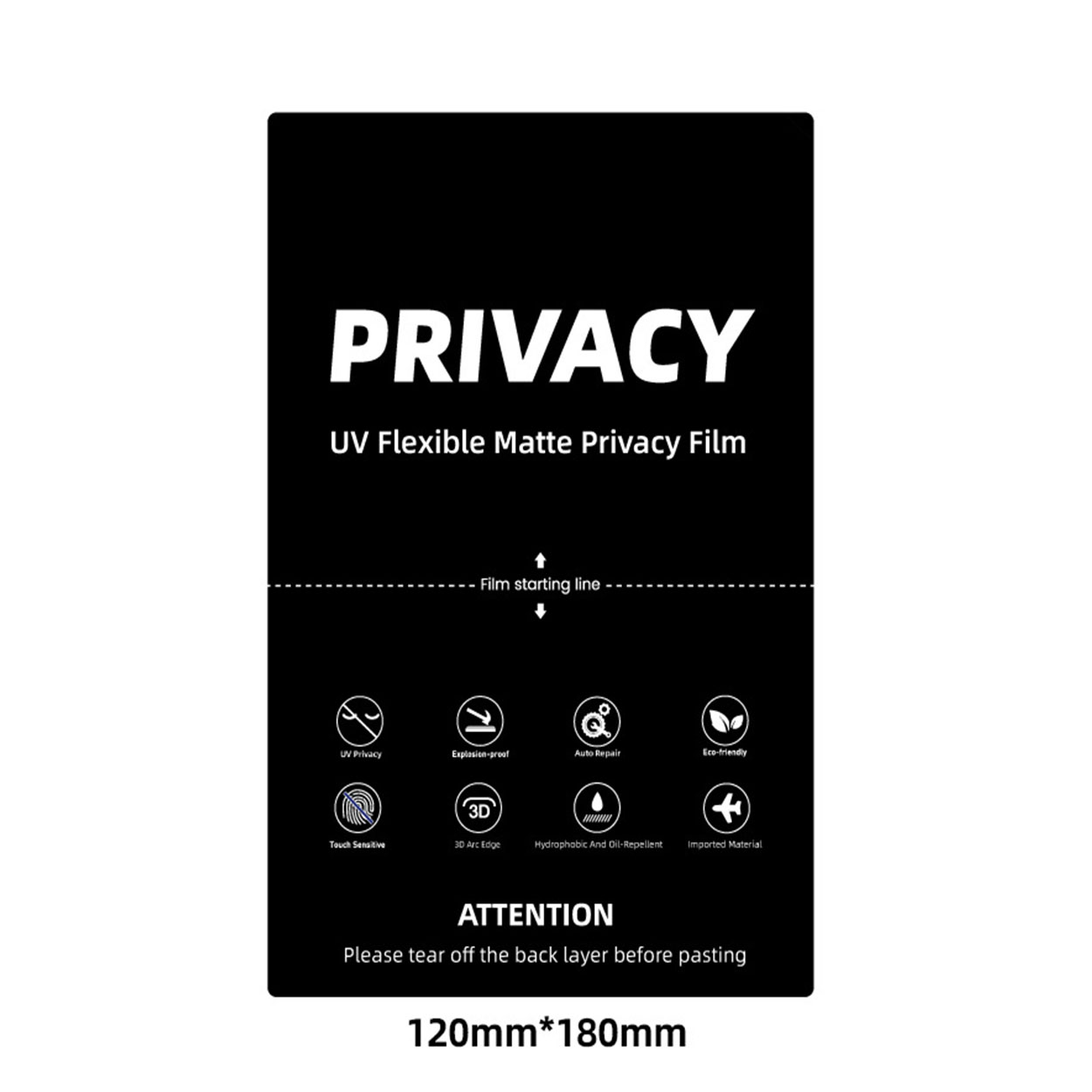
Anti-Glare Matte Screen Protector Film
Reduce glare and fingerprints with our Anti-Glare Matte Screen Protector Film. Enjoy clear visibility in bright conditions, smudge-free screen.