
Summary
Eco-Friendly Practices in Screen Protector Manufacturing refer to sustainable methods adopted in the production of screen protectors, which are protective layers for electronic devices like smartphones and tablets. The surge in electronic device usage has led to a significant increase in demand for screen protectors, intensifying the need for environmentally conscious manufacturing practices to combat the adverse effects of traditional methods, which often involve high energy consumption and harmful emissions.
. Notably, these eco-friendly practices aim to reduce plastic waste and greenhouse gas emissions while enhancing product quality and user experience through innovations such as biodegradable materials and energy-efficient processes.. The shift towards sustainability is driven by a growing consumer awareness regarding environmental issues, with 78% of consumers prioritizing eco-friendly options in their purchasing decisions.. This movement addresses pressing global challenges, including plastic pollution and resource depletion, by emphasizing the use of renewable energy, biodegradable materials, and recycling initiatives in production processes.. Furthermore, leading companies in the industry are increasingly adopting eco-certifications to verify their commitment to sustainability, thereby fostering trust and loyalty among environmentally conscious consumers.. While the transition to eco-friendly manufacturing presents numerous benefits, it is not without challenges. Factors such as high initial investment costs, competition from conventional manufacturing methods, and varying levels of consumer understanding about sustainability can hinder widespread adoption.. Nevertheless, the integration of sustainable practices is increasingly recognized as vital for long-term industry competitiveness, positioning companies that embrace these changes as leaders in the market.. In conclusion, eco-friendly practices in screen protector manufacturing not only contribute to environmental sustainability but also align with evolving consumer preferences, creating a pathway for a more responsible and innovative tech accessory industry. The commitment to sustainable practices represents a critical response to contemporary ecological concerns and underscores the necessity for ongoing advancements in both materials and processes..
Background
The screen protector market encompasses the production and distribution of protective layers designed to shield electronic device screens from scratches, cracks, and other forms of damage. These transparent, adhesive films or tempered glass sheets are custom-cut to fit specific device models, such as smartphones, tablets, laptops, and smartwatches
. With the proliferation of electronic devices and a growing emphasis on device longevity, the demand for screen protectors has increased significantly. Traditional screen protector manufacturing often involves energy-intensive processes that release greenhouse gas emissions. In contrast, eco-friendly practices prioritize sustainable manufacturing techniques, such as utilizing renewable energy sources and implementing methods with lower environmental impacts. This shift not only reduces the carbon footprint associated with device accessories but also addresses the global plastic pollution crisis caused by non-biodegradable materials used in conventional screen protectors. Advancements in screen protector features, including privacy filters, glare reduction, and antimicrobial coatings, have transformed these products into more than just protective layers; they now enhance the user experience while promoting health and safety. As manufacturers strive to meet the evolving needs of consumers, incorporating sustainable practices is increasingly recognized as essential for competitiveness in the market. The transition to eco-friendly screen protector manufacturing also involves minimizing plastic waste by using biodegradable, recyclable, or compostable materials. This approach not only benefits the environment but also aligns with a growing consumer preference for sustainable products. By adopting energy-efficient machinery and optimizing production processes, manufacturers can further enhance the sustainability of their operations, contributing to a more responsible industry overall.
Eco-Friendly Materials
Definition and Importance
Eco-friendly materials are increasingly essential in the screen protector manufacturing industry, as they minimize environmental impact and promote health benefits for consumers. These materials are typically derived from renewable or recycled sources and are free from harmful chemicals that could leach into the environment or pose health risks to humans
. By utilizing eco-friendly materials, manufacturers can contribute to resource conservation, pollution reduction, and a more sustainable future.
Types of Eco-Friendly Materials
Bioplastics
Bioplastics, such as Polylactic Acid (PLA), are becoming popular choices due to their impressive scratch resistance and clarity, making them ideal for screen protection
. Another option, Bio-Based Polyurethane (Bio-PU), offers superior flexibility and impact absorption while maintaining eco-friendliness.
Recycled Materials
Recycled materials, including reclaimed wood and recycled plastic, play a crucial role in eco-friendly practices. By repurposing waste products, manufacturers can significantly reduce landfill contributions and conserve natural resources
.
Sustainable Materials
Materials like bamboo and hemp are considered sustainable because they are produced from renewable resources. These materials help reduce reliance on non-renewable resources, promoting long-term sustainability
.
Low-Impact Materials
Low-impact materials, such as water-based inks and natural dyes, are produced with minimal environmental impact. These options are essential for reducing pollution and enhancing the overall sustainability of screen protector manufacturing
.
Benefits of Eco-Friendly Materials
Using eco-friendly materials offers several advantages. Firstly, they promote a healthier environment and safer living spaces by eliminating harmful chemicals
. Secondly, many of these materials are designed to be low maintenance, ultimately saving time and money for consumers. Additionally, innovations in packaging and product design are encouraging the use of recyclable and biodegradable options, further minimizing ecological footprints. By embracing eco-friendly materials, the screen protector industry can play a significant role in fostering a more sustainable and environmentally conscious future.

Sustainable Manufacturing Processes
Eco-friendly practices in screen protector manufacturing are increasingly centered around sustainable manufacturing processes that aim to minimize environmental impact while maximizing resource efficiency. These processes incorporate several key elements, including renewable energy integration, waste reduction, and the utilization of green materials.
Key Elements of Sustainable Manufacturing
Renewable Energy Integration
A critical aspect of sustainable manufacturing involves transitioning to renewable energy sources such as solar, wind, and hydroelectric power. By investing in on-site renewable energy infrastructure, manufacturers can significantly reduce their reliance on fossil fuels, thereby minimizing their carbon footprint and contributing to a more sustainable production process
.
Waste Reduction Strategies
Efficient waste management is vital for promoting sustainability within manufacturing. Implementing recycling initiatives and adopting closed-loop manufacturing practices can significantly reduce waste generation and foster a circular economy. This approach not only conserves resources but also enhances brand reputation, as consumers increasingly favor eco-friendly practices
.
Green Materials and Technologies
The choice of materials plays a crucial role in the sustainability of manufacturing processes. Utilizing eco-friendly materials, such as biodegradable alternatives and recycled materials, can greatly reduce the environmental footprint throughout the product lifecycle. Manufacturers are encouraged to consider the recyclability of their products from the design stage, thereby facilitating downstream recycling efforts
.
Case Studies in Sustainable Manufacturing
Company X
Company X serves as an exemplary model of successful eco-friendly manufacturing processes. By integrating renewable energy sources, optimizing waste management systems, and utilizing green materials, the company achieved reduced energy consumption and decreased waste generation. This not only improved operational efficiency but also enhanced their brand reputation among environmentally conscious consumers
.
Electrolux Green Spirit Program
Another noteworthy example is Electrolux’s Green Spirit program, which focused on reducing energy consumption and environmental impact. The Kinston factory adopted lean manufacturing techniques to streamline production, resulting in significant cost savings and increased production capacity. Measures such as turning off equipment when not in use and repairing leaks in the compressed air system exemplify how targeted interventions can lead to substantial efficiency gains
.
Challenges and Opportunities
While the transition to sustainable manufacturing processes presents clear benefits, it also poses challenges, including the need for initial investments and a shift in existing operational practices. Companies often require a strategic framework, like Green Manufacturing, to navigate these changes and implement sustainable practices effectively
. However, businesses that embrace these practices not only contribute to a healthier planet but also position themselves to weather environmental challenges more effectively than competitors reliant on outdated methods.

Certifications and Standards
Certifications and eco-labels play a crucial role in identifying products that meet environmentally friendly criteria in the screen protector manufacturing industry. These certifications serve as symbols or logos indicating that a product has been evaluated and deemed sustainable based on various environmental and social metrics.
Cradle to Cradle
The Cradle to Cradle certification assesses products based on their environmental and social impact throughout their lifecycle. It includes stringent criteria covering material health, material reutilization, renewable energy and carbon management, water stewardship, and social fairness
.
Forest Stewardship Council (FSC)
The FSC certification focuses on responsible forest management practices, ensuring that products derived from wood sources contribute positively to environmental protection, social benefits, and economic viability
.
GREENGUARD
GREENGUARD certification evaluates products based on their impact on indoor air quality, emphasizing low chemical emissions and minimal volatile organic compounds (VOCs). This certification is particularly important for products used in indoor environments, where air quality is a health concern
.
International Green Construction Code (IgCC)
The IgCC establishes minimum requirements for the design and construction of high-performance green buildings. It covers essential areas such as energy conservation, water efficiency, site sustainability, and responsible sourcing of materials
.
Leadership in Energy and Environmental Design (LEED)
LEED certification recognizes buildings that are designed, constructed, and operated sustainably. It includes comprehensive criteria in areas like sustainable sites, water efficiency, energy and atmosphere, materials and resources, indoor environmental quality, and innovation
.
Energy Star
The Energy Star certification identifies products designed for energy efficiency. It assesses environmental protection and customer satisfaction, highlighting the importance of energy-efficient practices within manufacturing processes
.
Impact on Consumer Behavior
A significant shift in consumer preferences has been noted, with 78% of consumers prioritizing sustainability in their purchasing decisions. Sustainable products are reportedly experiencing growth rates 2.7 times higher than their non-sustainable counterparts
. This shift underscores the necessity for manufacturers in the screen protector industry to pursue eco-certifications as part of their marketing and corporate social responsibility strategies, ensuring alignment with consumer expectations.
B Corp Certification
For companies aiming for an official acknowledgment of their commitment to sustainability, B Corp certification verifies performance in social and environmental impact. The certification process includes an impact assessment, verification, and the implementation of necessary legal amendments to formalize sustainability commitments
.
Case Studies
CASETiFY
CASETiFY is a prominent example of a brand that integrates eco-friendly practices in its product manufacturing. Known for its trendy and customizable phone cases, CASETiFY has committed to sustainability by utilizing compostable and biodegradable materials for its products, alongside recyclable packaging
. The company’s production facilities are ISO14001 certified, ensuring adherence to high environmental standards. Notably, for each compostable phone case or reusable water bottle sold, CASETiFY plants a tree, reinforcing its commitment to environmental stewardship.
Sustainable Materials
The phone cases produced by CASETiFY are made from 65% recycled and plant-based materials. This includes bioplastics derived from plant fibers such as corn starch and straw, which not only serve as effective protection for devices but also significantly lessen environmental impact
. The brand’s eco-conscious efforts extend to its packaging, which is entirely plastic-free, ensuring that every aspect of its product lifecycle aligns with sustainable practices.
Beautiful Aesthetic Biodegradable Phone Cases
Another innovative company focuses on creating aesthetically pleasing biodegradable phone cases. These products are designed to be visually striking while also serving the purpose of device protection
. The company promotes a personalized experience, allowing customers to replace branding with their own names or monograms, thereby enhancing customer engagement and satisfaction. This personalization aspect not only supports individual expression but also contributes to reducing plastic waste in the environment.
Production and Quality Assurance
The cases are produced and shipped from several locations, including the USA, UK, Italy, South Korea, and Australia, which emphasizes their commitment to quality and durability
. The company offers a lifetime warranty on its cases, ensuring long-term usability and minimizing the need for replacements. By focusing on biodegradable materials that break down without releasing toxins into the environment, this company exemplifies a commitment to sustainable practices within the tech accessory market.
Industry Trends
These case studies illustrate a broader trend within the tech accessory market toward sustainability. As consumer awareness and demand for eco-friendly products grow, companies are increasingly adopting sustainable materials and practices. The integration of eco-friendly manufacturing processes not only addresses environmental concerns but also enhances brand reputation and customer loyalty, paving the way for a more sustainable future in product design and manufacturing
.
Consumer Awareness and Demand
The demand for eco-friendly products, including screen protectors, is rapidly increasing as consumers become more conscious of the environmental impact of their purchases. A 2022 study indicated that 75% of consumers in the United States are concerned about the sustainability of the products they buy, with many willing to pay a premium for eco-friendly options
. This shift reflects a broader transformation in consumer behavior, where individuals are actively seeking brands that align with their values of sustainability and ethical sourcing. As companies adopt green practices, they not only enhance their market appeal but also improve customer retention rates. Engaging consumers through educational campaigns that highlight the benefits of eco-friendly screen protectors can further drive demand and create awareness about sustainable alternatives. Moreover, a notable 78% of consumers rank sustainability as a top priority in their purchasing decisions, leading to a significant growth rate for sustainable products, which outpace non-sustainable ones by 2.7 times. Despite this growing awareness, certain segments of consumers, termed “sustainability skeptics,” remain hesitant to embrace sustainable shopping. A survey by PwC revealed that 44% of respondents either disagree with or have no opinion on multiple statements about shopping sustainably. These skeptics often cite reasons such as high prices and perceived lack of quality as barriers to purchasing sustainable products. Retailers must navigate this complex landscape by offering transparent information about their sustainability initiatives and product benefits. The EU Deforestation Regulation (EUDR), which mandates proof that certain products do not contribute to deforestation, exemplifies the increasing regulatory focus on sustainability and the necessity for companies to adapt. As consumers continue to prioritize eco-conscious practices, businesses that can demonstrate their commitment to sustainability are likely to thrive in this evolving market.
Challenges and Limitations
Structural Barriers to Sustainable Change
The transition to eco-friendly practices in screen protector manufacturing faces several structural challenges. One significant obstacle is the risk associated with investments in new technologies. Firms often struggle to secure funding for long-term technological developments, such as research and development (R&D) and pilot tests, due to the limited ability of capital markets to manage long-term risks. These markets may lack risk management instruments for immature technologies because of insufficient historical data, leading to myopic decision-making within firms that prioritize short-term payoffs over sustainable innovations
.
Competition with Incumbent Technologies
New green technologies often encounter unfair competition from established, less sustainable technologies. Incumbents, having benefited from looser environmental regulations in the past, possess a competitive advantage that hinders the adoption of greener alternatives. This creates path dependencies where the economy becomes locked into specific technological pathways, further complicating the transition to eco-friendly practices. Companies typically rely on existing technology-specific knowledge when developing new products, making it challenging to shift towards greener solutions without significant policy intervention
.
Consumer Awareness and Standards
Another limitation in promoting eco-friendly screen protectors is the lack of consumer awareness regarding the environmental impact of electronic products. Guidelines or standards that help consumers understand the resources and energy consumption associated with these products are essential. A 2022 study found that 75% of consumers in the U.S. are concerned about environmental impacts, yet many are not fully informed about the eco-friendliness of their purchases. Improved consumer education could drive demand for sustainable options
.
Market Dynamics and Pricing
While there is an increasing consumer willingness to pay more for sustainable products, low-price online platforms remain a strong competitor, often attracting consumers with affordable alternatives. This market dynamic poses a challenge for manufacturers striving to implement eco-friendly practices without compromising on price competitiveness. The balance between developing sustainable practices and maintaining affordability is crucial for widespread adoption
.
Policy and Implementation Challenges
Finally, the implementation of eco-friendly manufacturing practices requires the support of effective policies. The success of these practices hinges on the ability to gain political acceptance and effectively design and evaluate policy instruments tailored to specific technologies. Without appropriate regulatory frameworks and support mechanisms, the transition to sustainable screen protector manufacturing may face significant hurdles
.
Future Trends
Technological Integration for Sustainability
The future of screen protector manufacturing is poised to be significantly influenced by advancements in technology. Companies are increasingly leveraging the power of the internet, artificial intelligence, and data analytics to enhance their environmental marketing efforts. With improved access to real-time environmental data, organizations can more accurately track and report on their sustainability initiatives, creating greater transparency and accountability in the production process
.
Eco-Friendly Materials and Health Benefits
The shift towards eco-friendly materials is a critical trend shaping the industry. Eco-friendly screen materials, which utilize sustainable resources such as bamboo or recycled plastics, are designed to be biodegradable or recyclable. This not only reduces environmental impact but also ensures that harmful chemicals commonly found in traditional materials do not leach into the soil or water supply, thereby safeguarding human health
. Moreover, the use of these materials often results in lower maintenance requirements, offering long-term cost savings to consumers while contributing positively to environmental conservation.
Consumer Awareness and Demand
As consumers become more environmentally conscious, their purchasing decisions are increasingly influenced by sustainability practices. By opting for eco-friendly screen protectors, consumers can drive demand for products that align with green initiatives, thereby promoting the green revolution within the tech industry
. This shift in consumer behavior highlights the potential for market growth in sustainable products, creating a cycle of positive reinforcement for both manufacturers and the environment.
Policy and Market Dynamics
Future trends will also be shaped by regulatory frameworks and market dynamics that encourage sustainable practices. Policymakers are recognizing the importance of designing appropriate policy mixes that facilitate radical technological changes rather than just incremental improvements. This includes addressing structural challenges and ensuring that private firms are incentivized to invest in long-term sustainable innovations
. The interplay between policy support and market-driven initiatives will be crucial in propelling the industry towards a more sustainable future.

How to Apply Liquid Screen Protector to Phone
Liquid screen protectors offer a modern, effective way to protect your smartphone.

Can You Put a Screen Protector on a Cracked Screen?
This guide provides you with the tools to handle a cracked screen, whether you opt for a quick fix, screen protector, or professional repair.
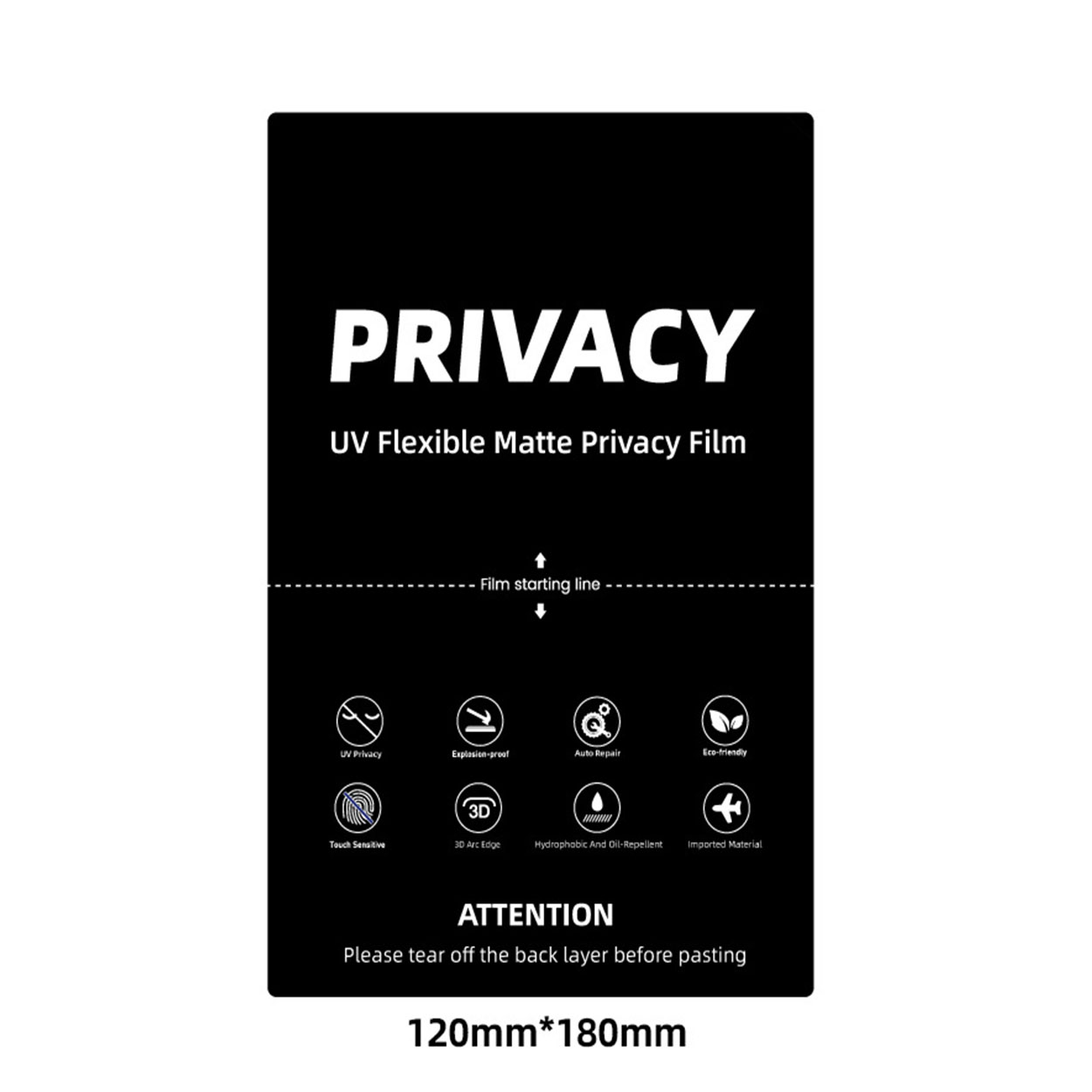
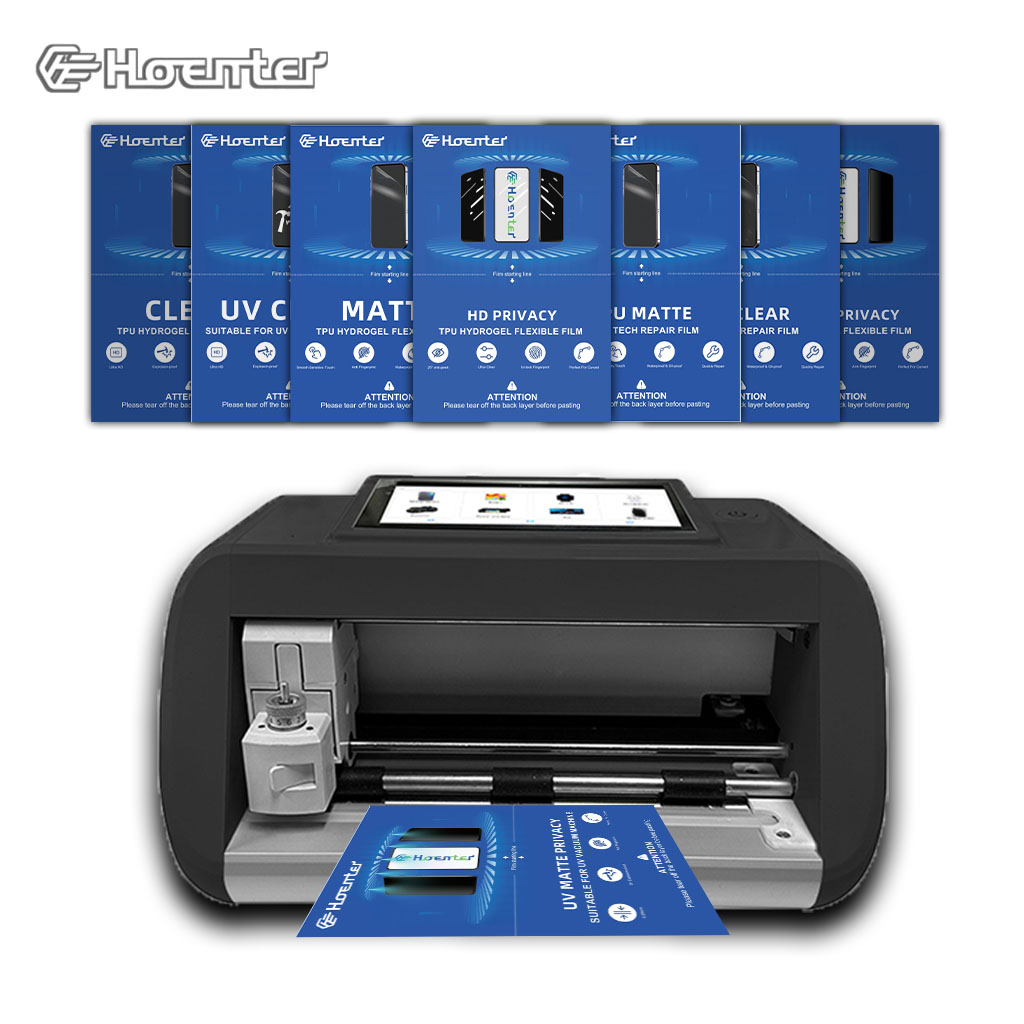
Intelligent UV Matte Privacy Screen Protector For Cutter
Discover the future of mobile protection with our guide to screen protector cutting machines. Learn how film cutters create custom screen protectors
Cutting Transparency Film with Your Cricut: Exploring Materials and Techniques
Transparency film is a versatile material that can add a unique touch to your crafting projects. If you’re wondering whether you can cut transparency film with your Cricut machine, you’re in the right place. This article will guide you through the process, providing insights on how to use your Cricut to cut transparency film effectively. Whether you’re a crafting novice or an experienced DIY enthusiast, understanding how to handle transparency film with your cutting machine can open up new creative possibilities.
Matte Clear EPU Screen Protector
Matte and Clear EPU Film: The ultimate choice in self-healing screen protection. Find the perfect finish for your phone.
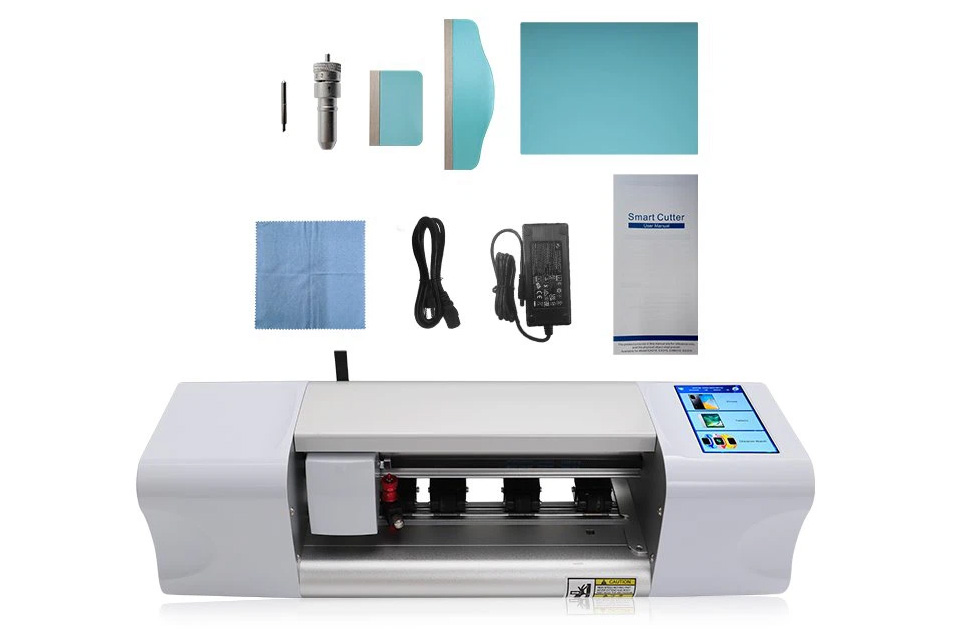
What Film Cutting Machine and Its Application
Film cutting machines have played a crucial role in the evolution of filmmaking and various industrial processes by enabling precise cutting and splicing of film materials.
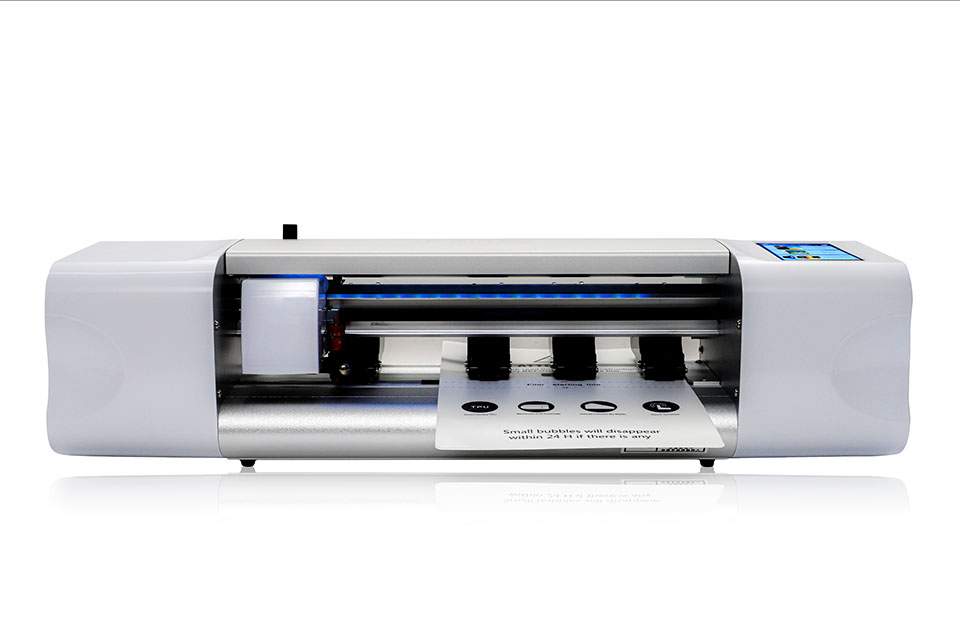
What Is a Screen Protector Cutting Machine?
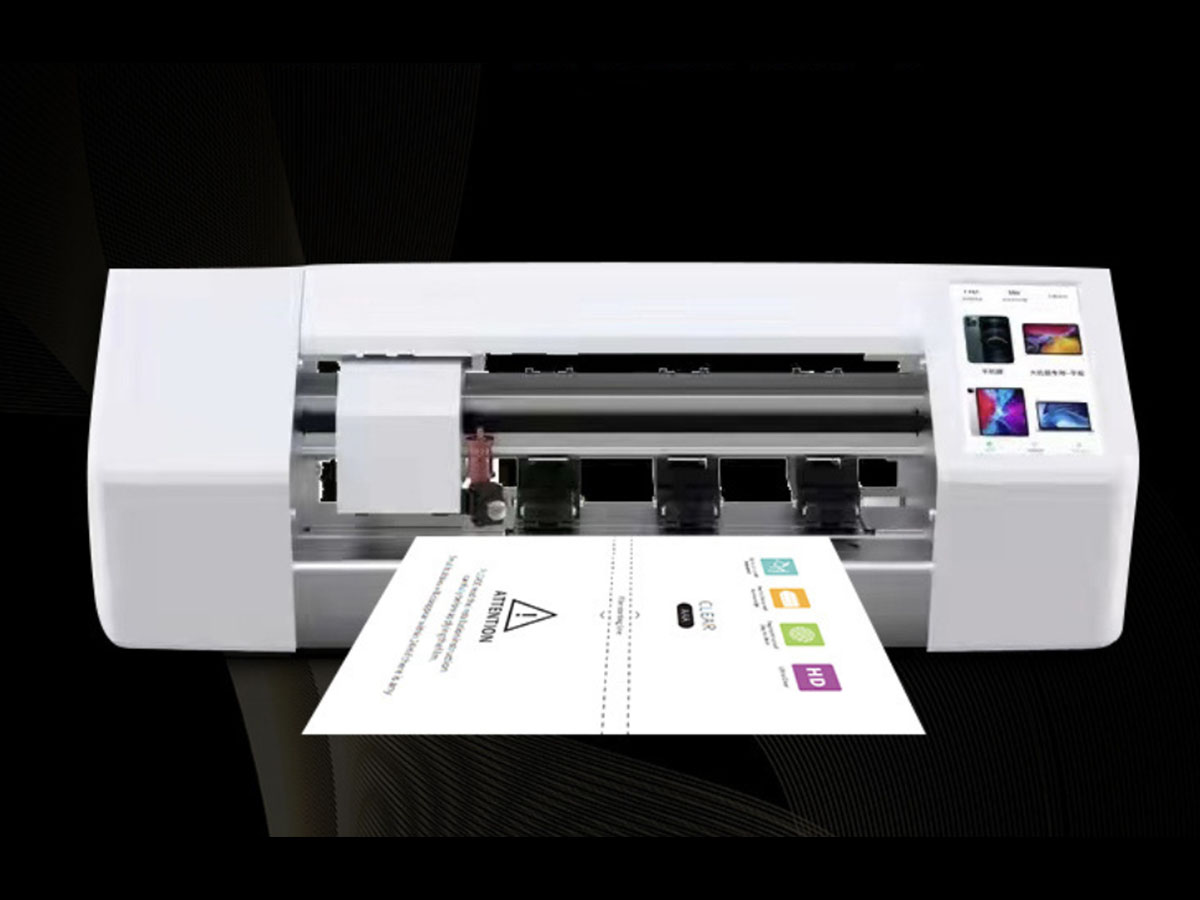
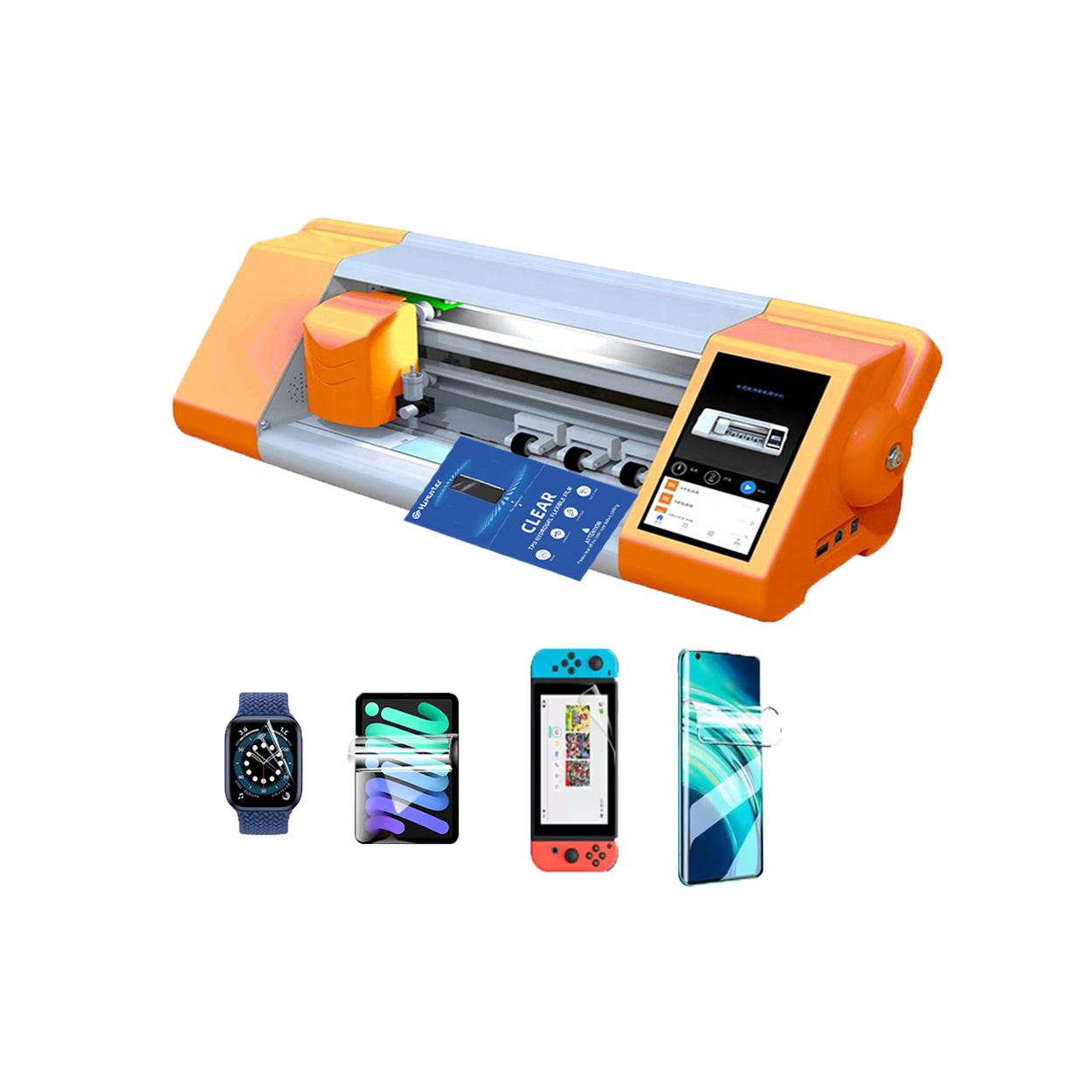
A screen protector cutting machine is a specialized device designed to produce custom-fit screen protectors for various electronic devices, including smartphones, tablets, smartwatches, laptops, and monitors.
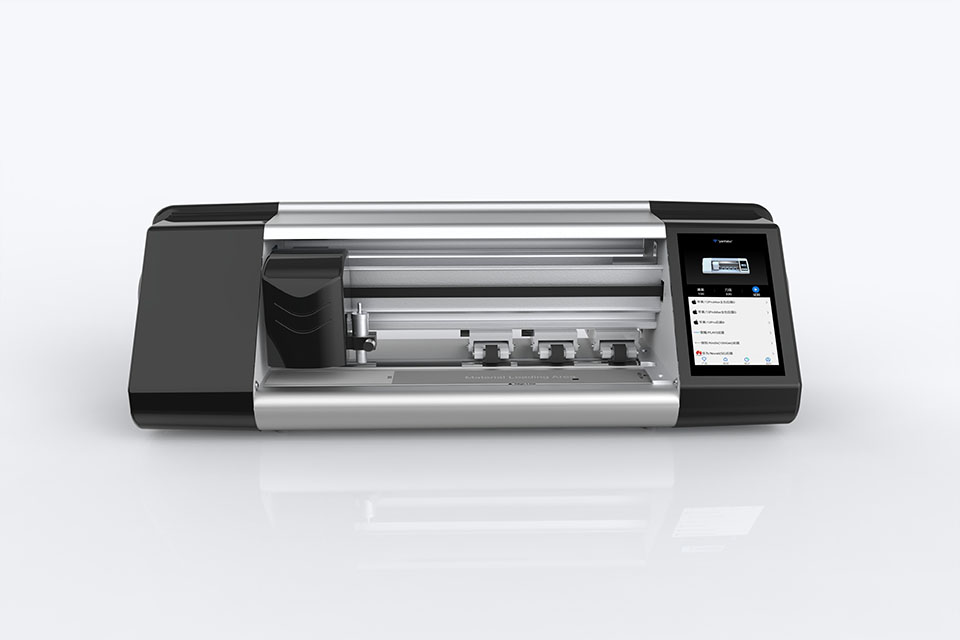
How Mobile Phone Screen Protector Cutting Machine Work?
A mobile phone screen protector cutting machine is a sophisticated device designed
to produce customized screen protectors for various digital devices with high preci
sion and efficiency.
Characteristics of Mobile Phone Tempered Glass and Mobile Phone TPU Screen Protector
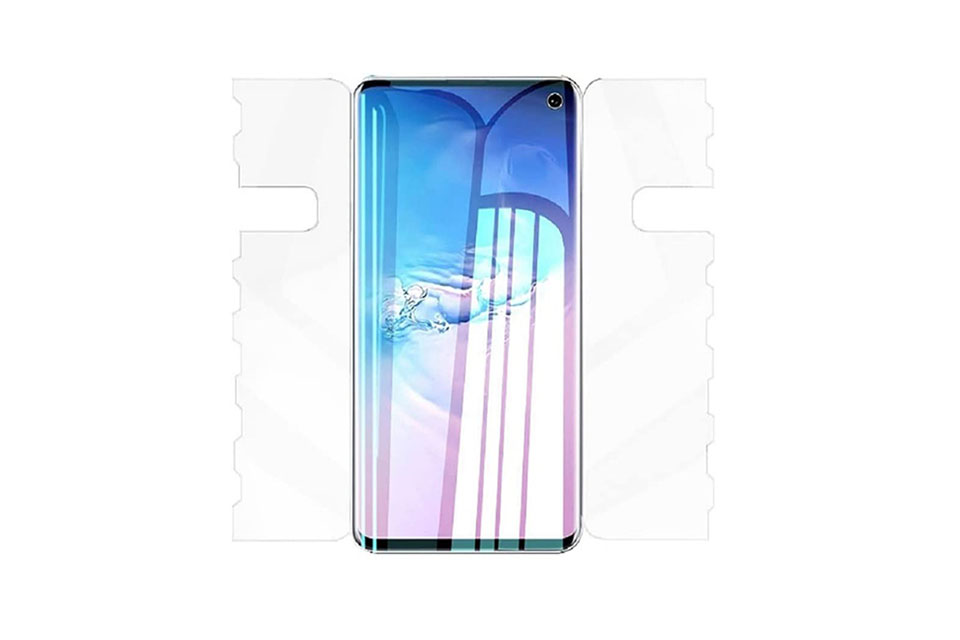
Thermoplastic polyurethane (TPU) screen protectors are flexible, durable, and
self-healing plastic films designed to protect electronic device screens from
scratches, impacts, and other potential damages.
Revolutionize Device Protection with Screen Guard Cutting Machine
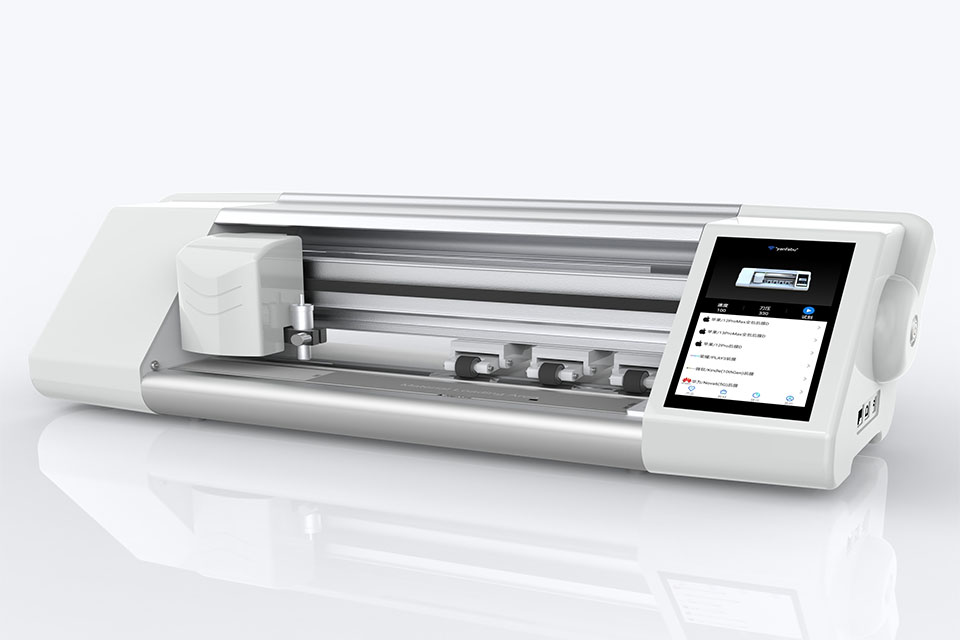
Whether you possess a smartphone, tablet, or smartwatch, this versatile machine accommodates a vast array of devices. It seamlessly adapts to the dimensions of your gadget, offering a custom fit that generic protectors can’t match.

Screen Protector Lifetime Warranty
A screen protector lifetime warranty is a guarantee provided by manufacturers that
promises to repair or replace a screen protector for the lifetime of the product, under specific terms and conditions.