What Film Cutting Machine and Its Application

Table of Contents

Summary

Film cutting machines have played a crucial role in the evolution of filmmaking and various industrial processes by enabling precise cutting and splicing of film materials.

Initially, film editing was a manual process involving the physical cutting and sticking of film rolls, as seen in early cinematic works like Edwin S. Porter’s The Great Train Robbery (1903) and Georges Méliès’ A Trip to the Moon (1902). These labor-intensive methods set the groundwork for the development of more advanced technologies that would eventually transform both the film industry and other sectors requiring precision cutting. As technology advanced, film cutting machines became more sophisticated, incorporating features such as clamping devices, ball-bearing carriages, and multi-use cutting knives, which significantly enhanced the accuracy and efficiency of the editing process.The transition from manual to digital editing has further streamlined this process, allowing editors to manipulate footage seamlessly on digital platforms.Today, digital editing software such as Adobe Premiere Pro and Final Cut Pro are industry standards, offering a wide range of functionalities that have revolutionized film production and post-production.Various types of film cutting machines have been developed to meet specific industrial needs, including tape splicers, ultrasonic splicers, and thermal paper splicers, among others. High-performance cutting systems using laser power and CNC routers have expanded the capabilities of these machines beyond the film industry, making them essential in sectors like automotive, textile, electronics, and marine industries. Each type of machine offers unique advantages in terms of precision, efficiency, and adaptability, catering to diverse applications that demand meticulous cutting and joining of materials. Despite the significant advantages these machines offer, such as high precision and operational efficiency, they also present challenges, including high costs and the need for specialized training to operate advanced equipment.Moreover, maintaining these sophisticated machines requires regular upkeep to ensure consistent performance and prevent operational disruptions.As technology continues to evolve, innovations in film cutting machines, such as the integration of artificial intelligence and cloud-based editing systems, promise to further enhance their capabilities, offering new possibilities for creative and industrial applications.

History of Film Cutting Machines

At the dawn of film history, the process of editing primarily involved cutting and rearranging film rolls, a method commonly referred to as “cutting and sticking”. Filmmakers manually spliced pieces of film together to create new shots, a painstaking process that required precision and creativity. This manual technique laid the foundation for the development of more sophisticated editing methods. One of the early notable uses of film cutting was in Edwin S. Porter’s “The Great Train Robbery” (1903), which employed detailed narration and advanced editing techniques for its time. This film marked a significant step forward in narrative complexity and editing sophistication, showcasing the potential of film cutting to enhance storytelling. As the film industry evolved, so did the technology used in editing. The late 19th and early 20th centuries saw pioneers like Georges Méliès experimenting with cutting and splicing to create special effects and seamless transitions. Méliès’ work in “A Trip to the Moon” (1902) featured early editing techniques such as jump cuts and crossfades, which remain fundamental to film editing today. The invention of motion picture cameras and the first public screenings of films in the late 19th century by figures like the Lumière brothers and Thomas Edison further spurred the development of film cutting techniques. Early films were simple yet groundbreaking, often depicting everyday scenes that captivated audiences with the novelty of moving images. During this era, editors used basic tools like scissors and glue to manually cut and join film strips. Despite the lack of digital aids, these early editors laid crucial groundwork for storytelling in film, employing techniques such as parallel editing to build suspense and narrative complexity. As film technology progressed, the demand for more efficient and precise cutting methods led to the development of film cutting machines. These machines featured various technical advancements, such as clamping devices, ball-bearing carriages, and multi-use cutting knives, designed to improve the accuracy and efficiency of the editing process. Today, digital editing has largely replaced manual film cutting, allowing editors to easily cut between shots by dragging and dropping clips in a timeline. This digital revolution has significantly streamlined the editing process, making it more accessible and less labor-intensive while retaining the creative potential that early film cutting pioneers envisioned.

Types of Film Cutting Machines

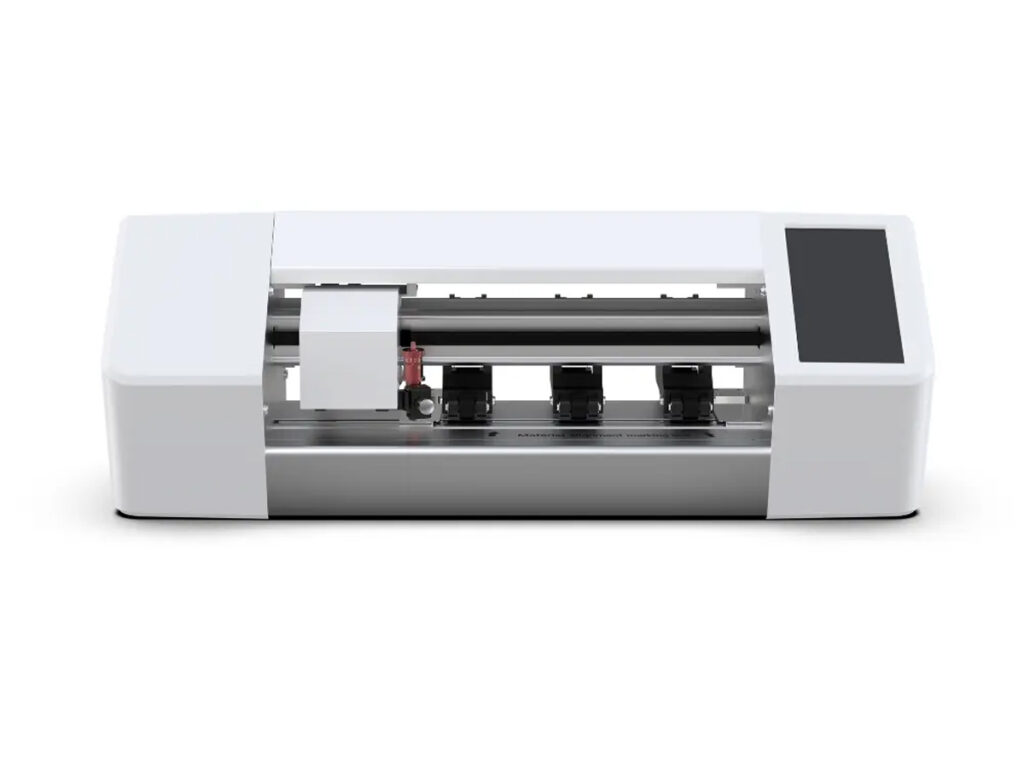
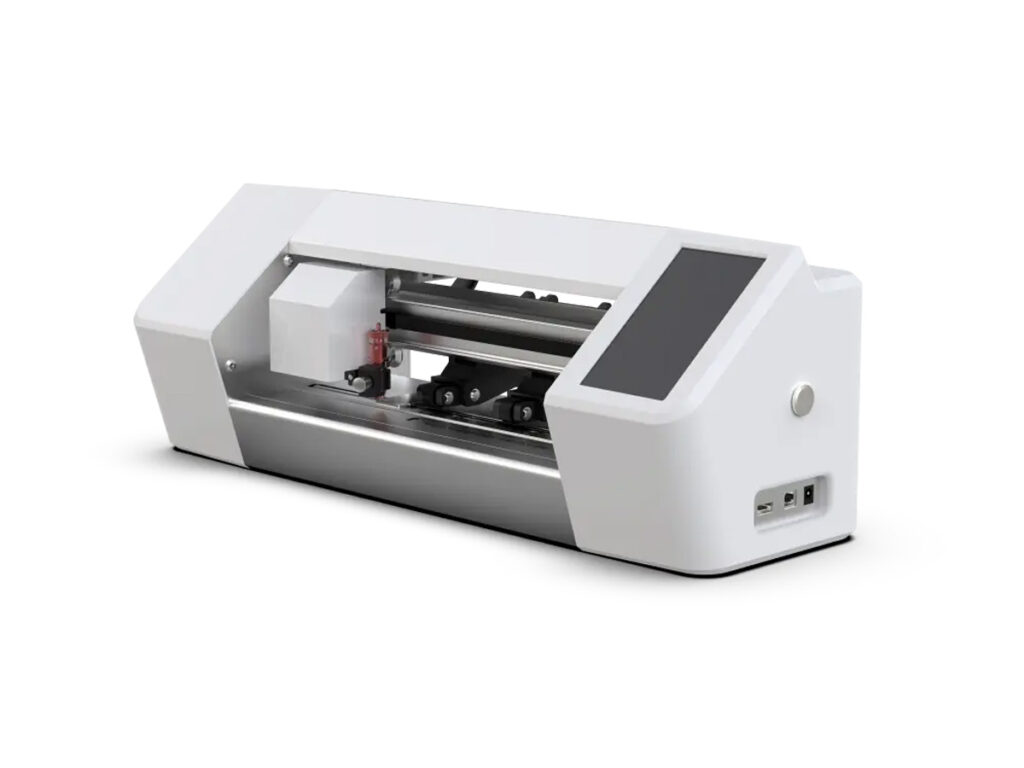
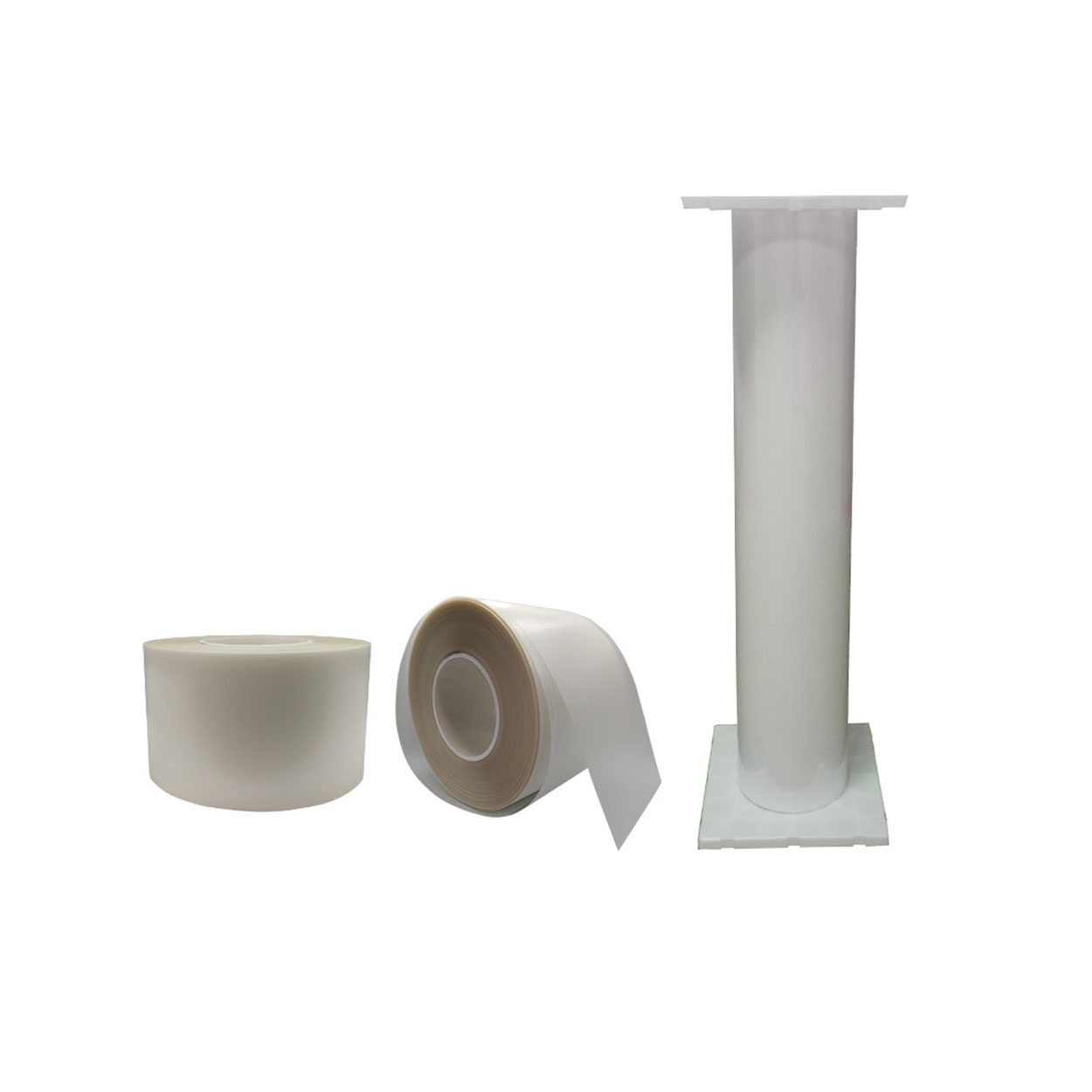
Film cutting machines are specialized devices designed to cut and splice various types of film materials. These machines are essential in industries that require precise cutting and joining of films, such as in packaging, manufacturing, and film production. Different types of film cutting machines are available, each catering to specific needs and applications.

Tape Splicers

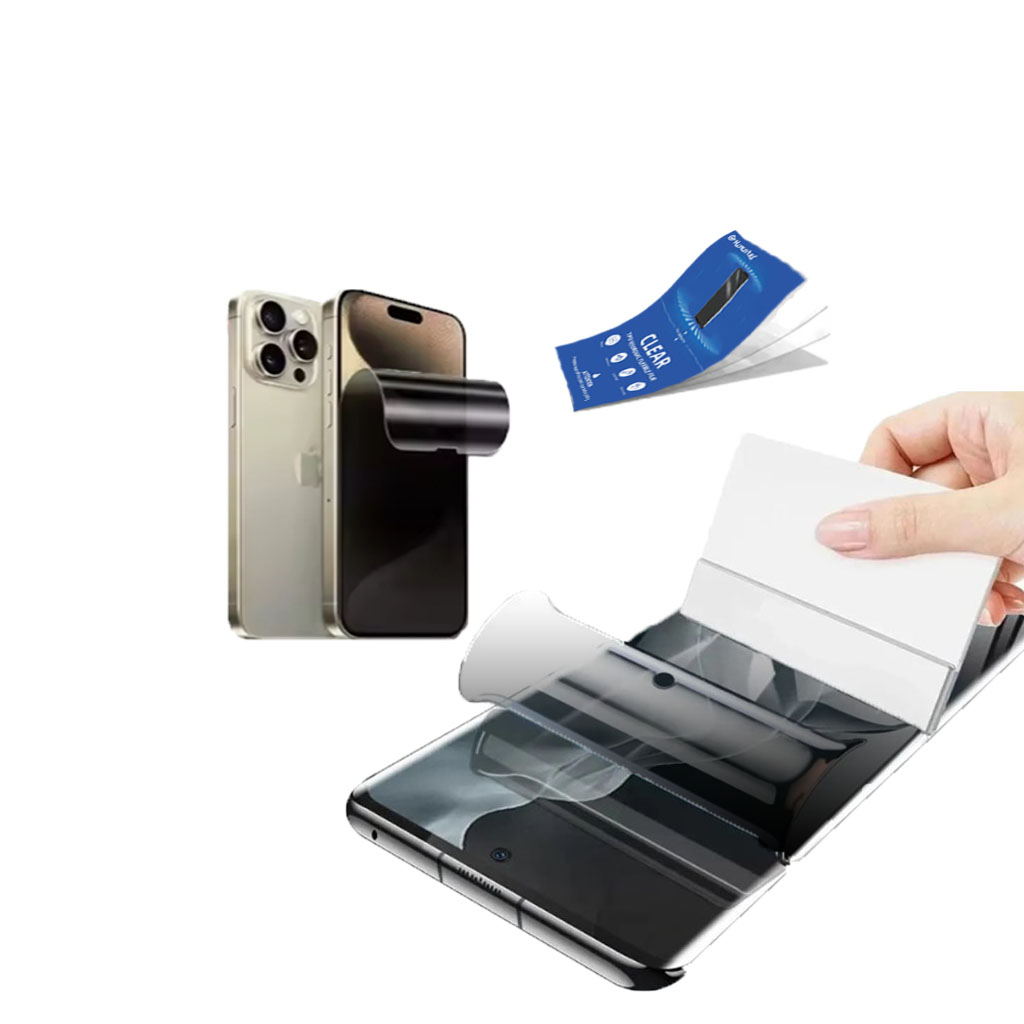
Tape splicers are among the most common types of film cutting machines. They use thin, transparent adhesive tape to join the ends of films. The tape may be pre-perforated for the film perforations, or the splicer may create perforations as the splice is made. This type of splicer is versatile and can be used on most types of film, including polyester prints commonly used in theaters.

Ultrasonic Splicers

Ultrasonic splicers utilize ultrasonic signals to melt and join film materials. They are particularly effective for splicing polyester film and are widely used in splicing microfilm. One of the main advantages of ultrasonic splicing is the durability of the splice, which does not degrade over time like tape splices might.

Thermal Paper Splicers

Thermal paper splicers are another type of film cutting machine designed to splice films by applying heat. These machines are often used for joining thermal-sensitive films and papers, providing a quick and efficient splicing solution.

Flexible Packaging Films Sample Cutter

These machines are designed for cutting flexible packaging films. They typically feature a cutter with a clamping device for foil, and the carriage runs on ball bearings to ensure smooth operation. The cutting knife in these machines can often be turned and used multiple times, making them cost-effective and efficient for cutting foils and similar materials.

High-Performance Cutting Systems

High-performance cutting systems, such as those using laser power, are used for cutting and simultaneously edge fiber welding films. These machines perform two work steps in one, ensuring that the cut edges remain clean and aesthetically pleasing. Such systems are essential in applications where precision and edge quality are paramount.

CNC Routers, Laser Cutters, and Water Jet Cutters

Plastic cutting machines, including CNC routers, laser cutters, and water jet cutters, can also be used for cutting various plastic films. These machines offer different levels of precision and are chosen based on factors such as the type of plastic being cut, the desired accuracy, and the budget.

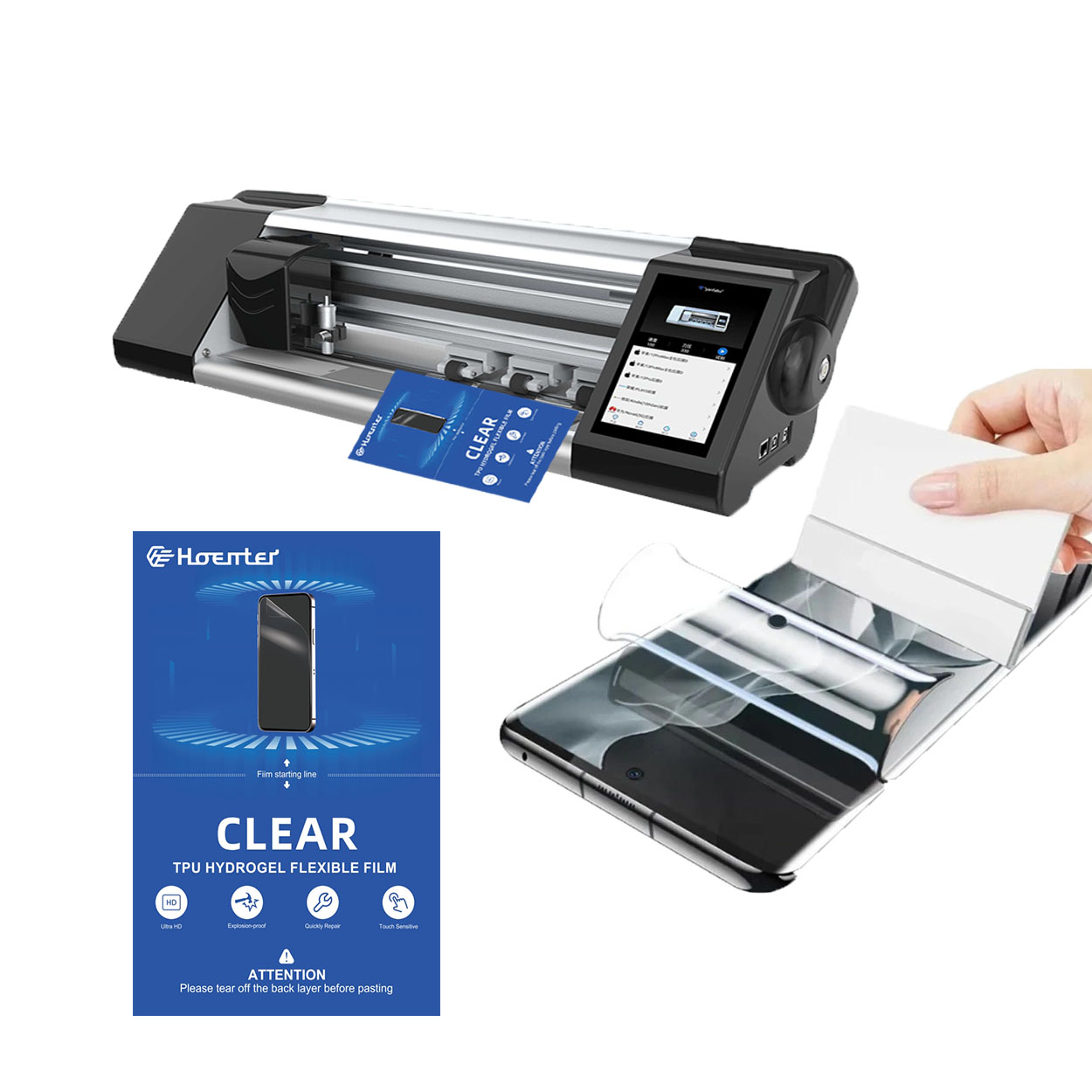
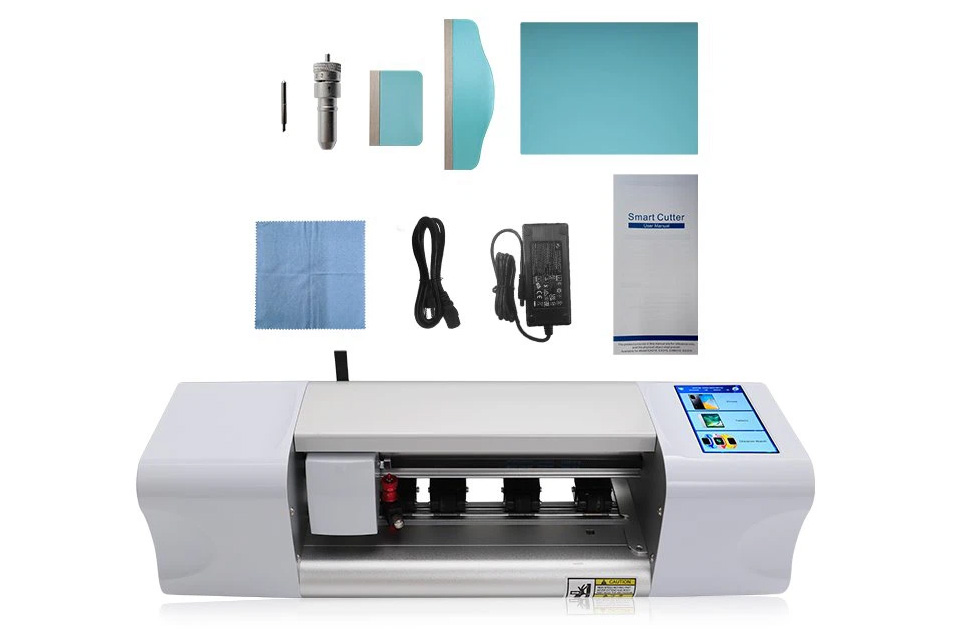
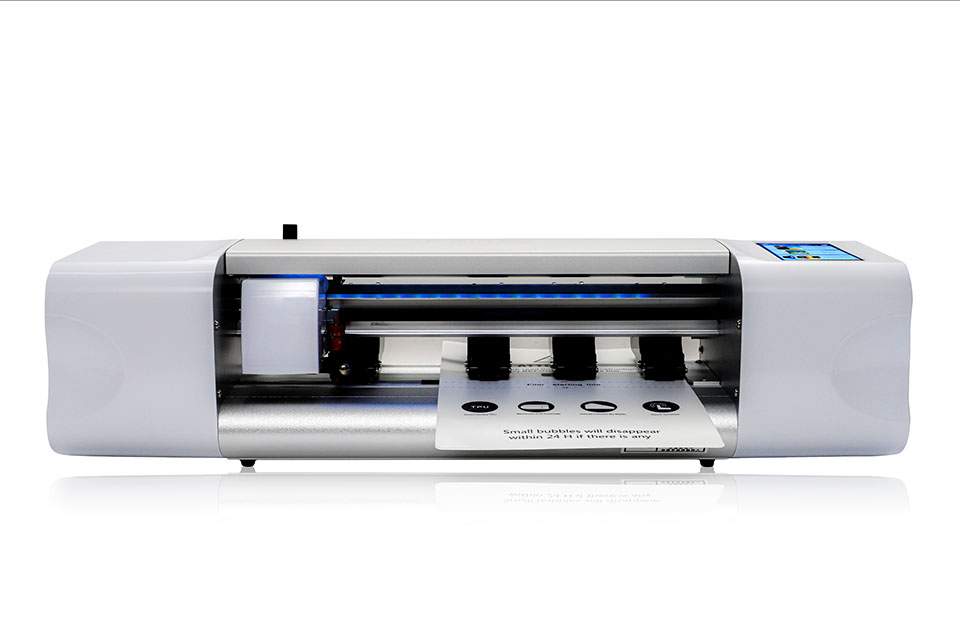
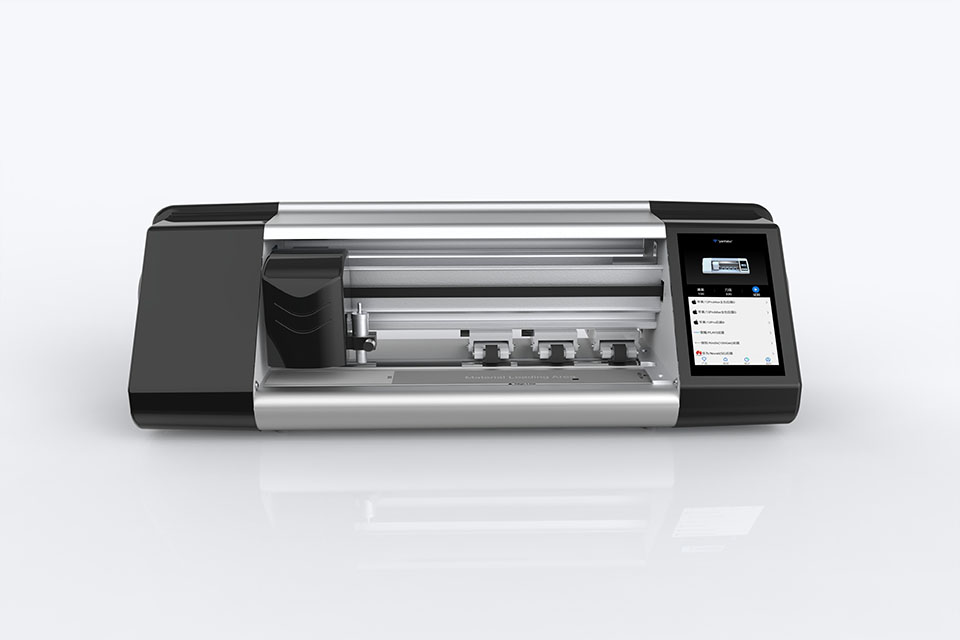
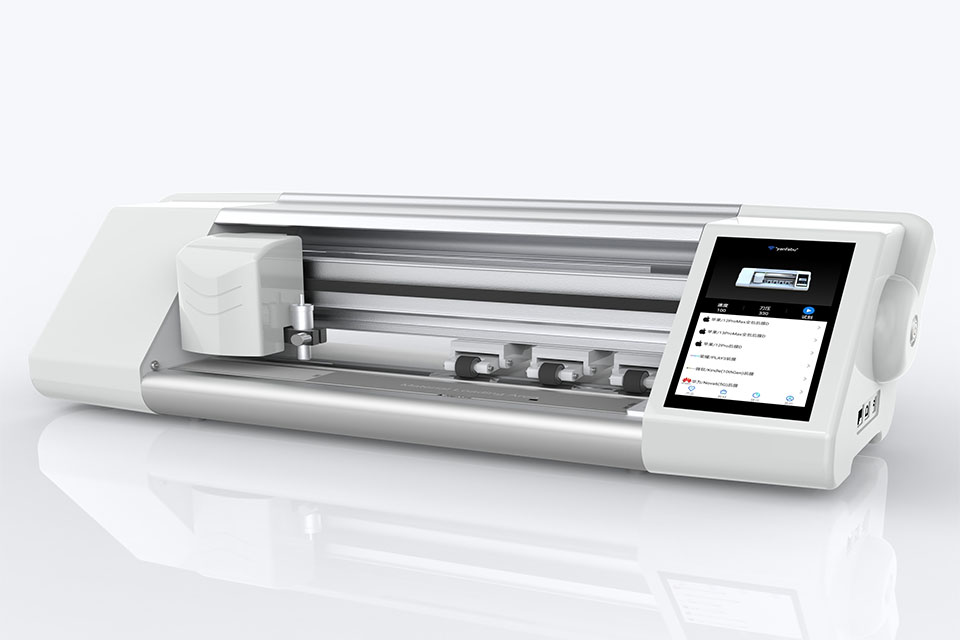
Film Cutting Machine

Components of Film Cutting Machines

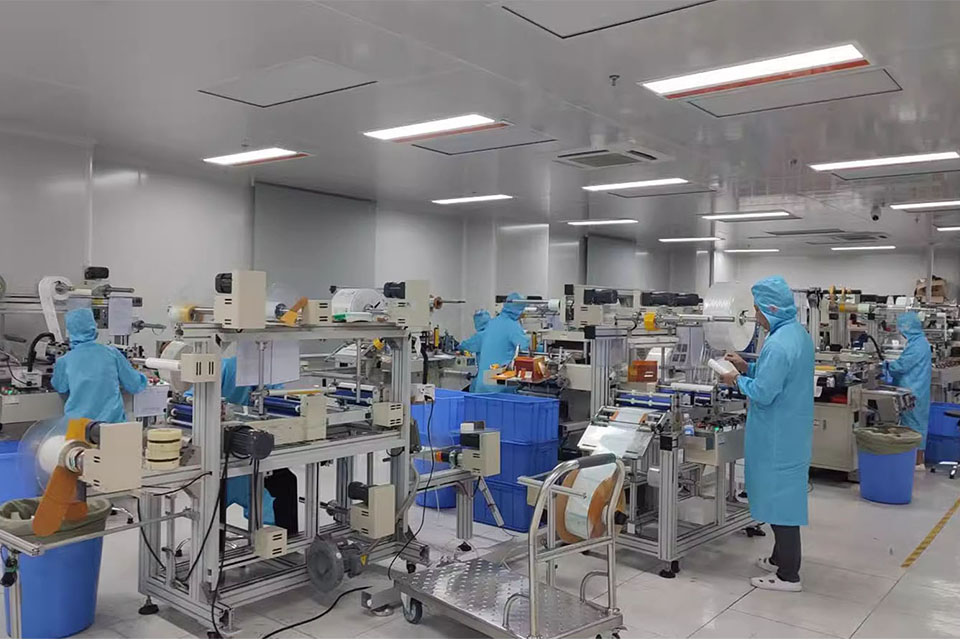
Film cutting machines are highly specialized devices designed for the precise cutting of various types of films used in multiple industries. These machines incorporate several critical components that work in unison to ensure accuracy, efficiency, and high-quality cuts.

Cutting Head

The cutting head is a pivotal component of film cutting machines, responsible for executing the actual cutting process. It consists of several elements, including a nozzle, a focusing lens, and a focus tracking system, which together ensure precise and efficient cutting operations. The nozzle not only helps protect the focusing lens from debris but also aids in the removal of molten material and gases generated during cutting. Additionally, it controls the flow of assist gas to improve cutting quality and speed.

Control System

The control system of a film cutting machine includes both hardware and software components that work together to control the laser source, beam delivery system, and cutting head. The controller acts as the brain of the machine, translating operator commands into precise movements while monitoring the machine’s status to ensure safe operation. Software components provide an intuitive user interface for inputting cutting parameters and creating complex cutting patterns, maximizing the machine’s versatility and efficiency.

Focusing Lens

The focusing lens is crucial as it concentrates the laser beam to a small spot size, increasing the beam’s intensity and enabling precise cuts. The quality of this lens significantly influences the overall performance of the cutting head, affecting both beam quality and focal spot size.

Capacitive Height Sensing System

This system allows for automatic adjustment of the cutting height to maintain a constant distance between the focusing lens and the workpiece. By ensuring a consistent cutting height, it achieves uniform cutting results and minimizes the risk of collisions between the cutting head and the workpiece.

Motor and Drive System

The motor, often a servo motor, drives the movement of the cutting head along the Z-axis as programmed. This component is essential for the motion system of the machine, directly impacting the processing quality and production efficiency. The Y-axis feed determines the in-and-out movement of the workpiece, enabling operators to accurately position the cutting tool and create complex shapes by moving the workpiece perpendicular to the cutter.

Applications

Film cutting machines are utilized across a wide range of industries, each leveraging the precision and efficiency these machines offer to meet specific production needs.

Automotive Industry

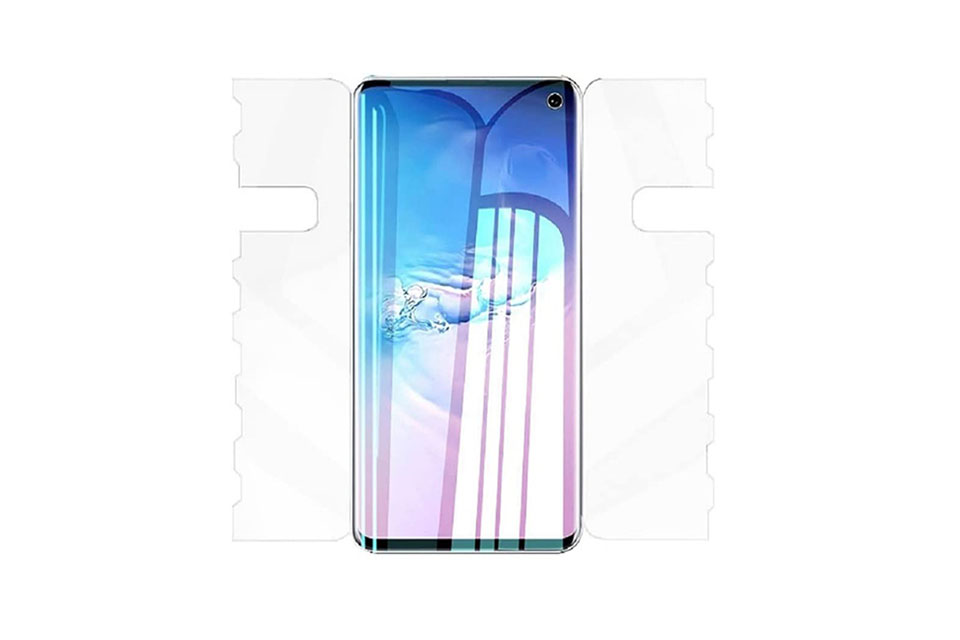
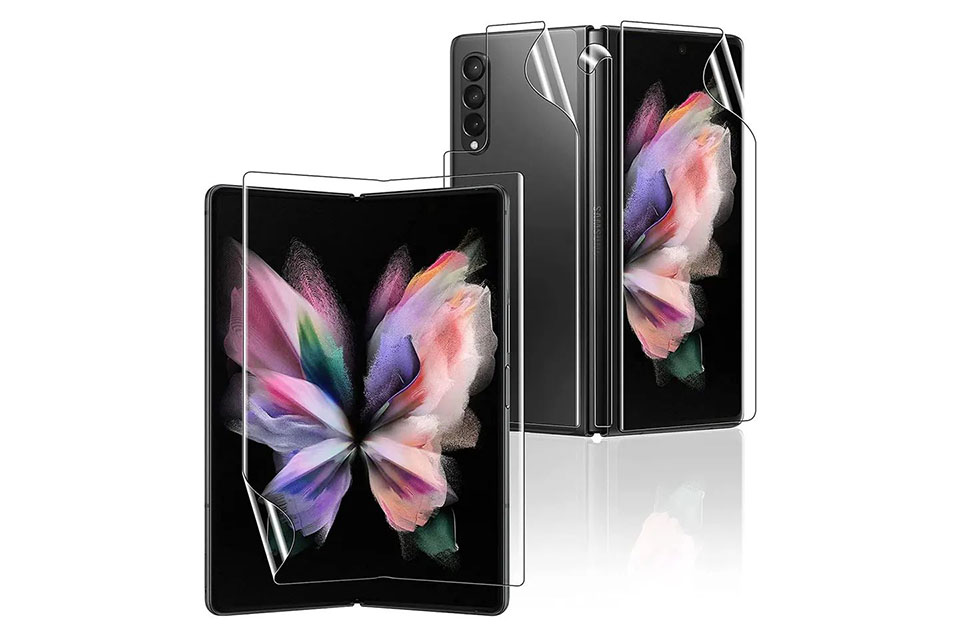
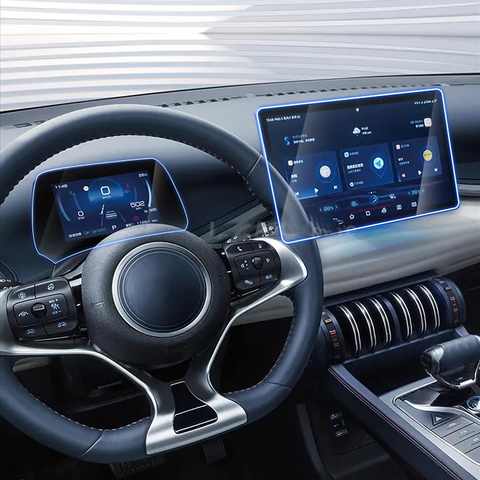
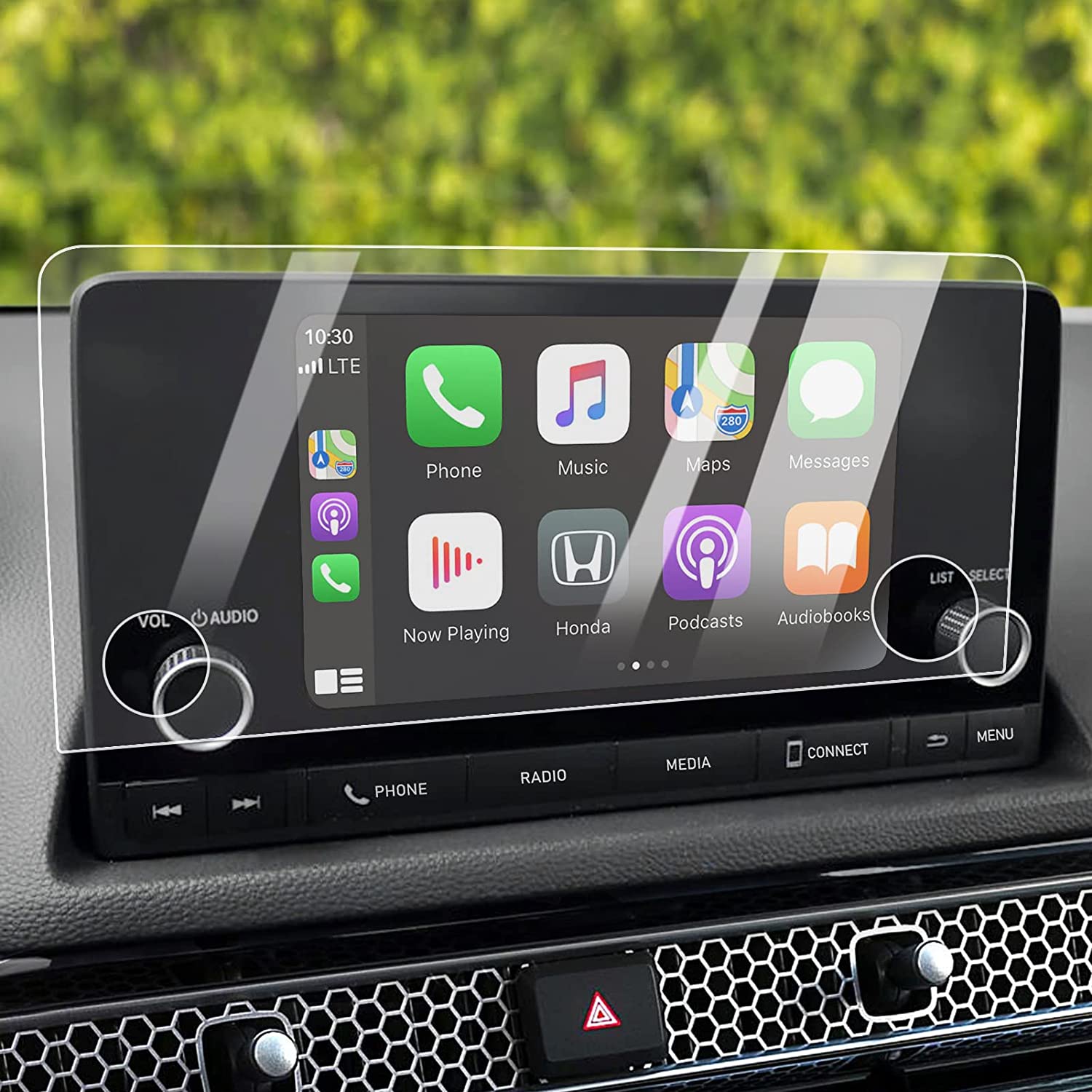
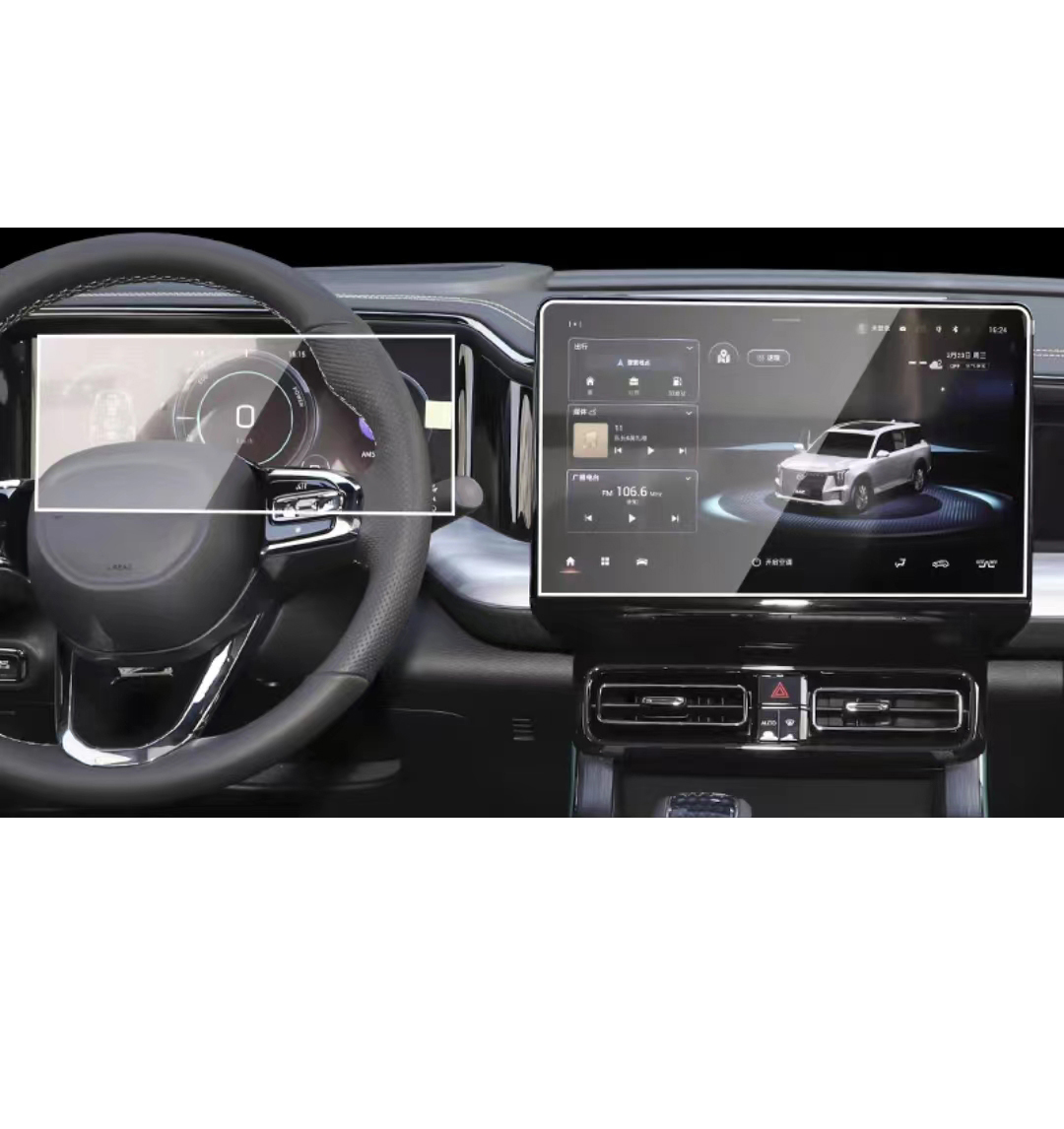
Film cutting machines are widely used in the automotive sector, particularly for window tinting and paint protection film (PPF) applications. For instance, Xpel’s Design Access Program (DAP) offers over 80,000 templates for various vehicle makes and models, enabling installers to resize, join, add wrapped edges, and combine patterns to fit any vehicle precisely. These machines help in creating smooth, precision-cut patterns that do not require additional trimming, enhancing both the efficiency and quality of installations.

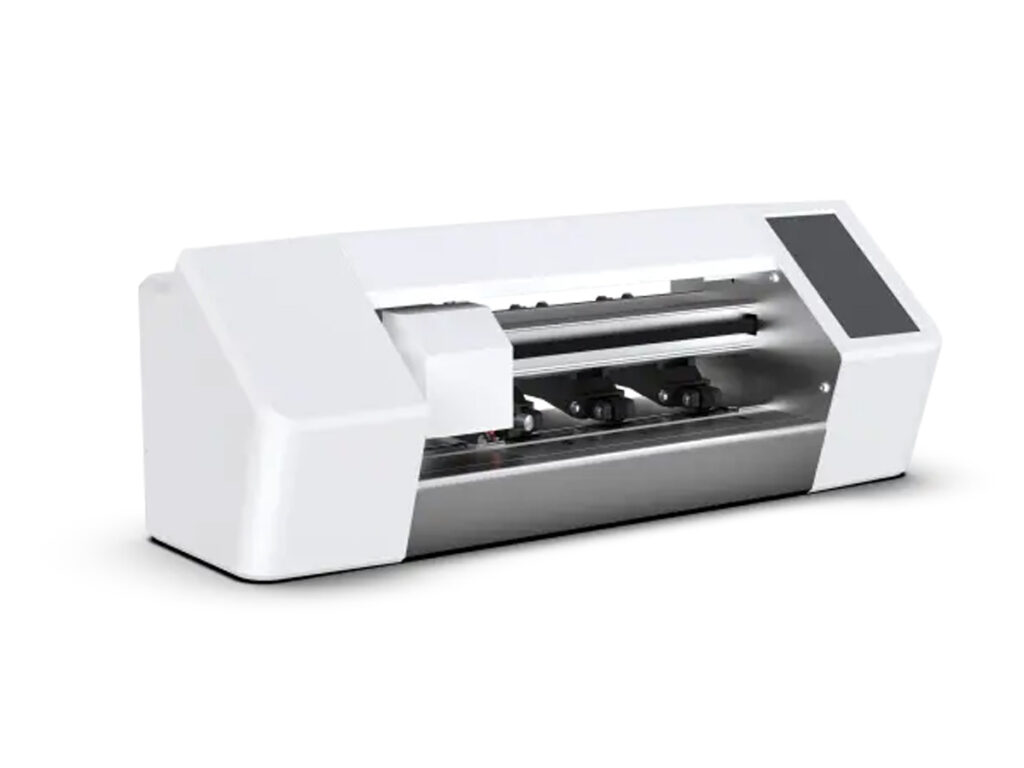
Film Cutting Machine

Advantages

Film cutting machines offer numerous advantages that make them indispensable in the modern manufacturing landscape. One of the primary benefits is their high precision and consistent quality output. These machines, often controlled by advanced servo motors and drives, can achieve positioning accuracies as fine as 0.001mm, ensuring the cutting process is both precise and repeatable. This high degree of accuracy significantly improves the overall quality and consistency of the cut parts, which is crucial for high-value precision machining processes. Another significant advantage is the adaptability and efficiency provided by film cutting machines. For instance, advanced laser cutting systems equipped with vision cameras can verify part positioning and eliminate errors, making the cutting process more reliable and efficient. These machines also offer faster processing speeds, which are particularly beneficial in industries such as automotive and electronics, where high throughput is essential. The ability to double the processing speed by increasing laser power can drastically reduce production times and improve overall operational efficiency. The integration of smart tooling and machine learning models further enhances the capabilities of film cutting machines. These technologies enable continuous improvement and adaptation to changing conditions, ensuring that the machines remain efficient and effective over time. This is particularly valuable in dynamic industries where trends and requirements evolve rapidly, allowing manufacturers to maintain high standards and meet new challenges head-on. Additionally, modern film cutting machines are designed with safety and user convenience in mind. Features such as automatic counting, alarm and stop systems, and magnetic powder tension control help prevent damage and ensure operator safety. These features not only protect the machinery but also enhance the ease of operation, making it possible for users with varying levels of expertise to effectively use these advanced machines.

Comments

Tags
Scroll to Top

Get oUR oFFER

Fill out the form below, and we will be in touch shortly.

Want to know more?

Leave your email to get more product information and quotes

boss