
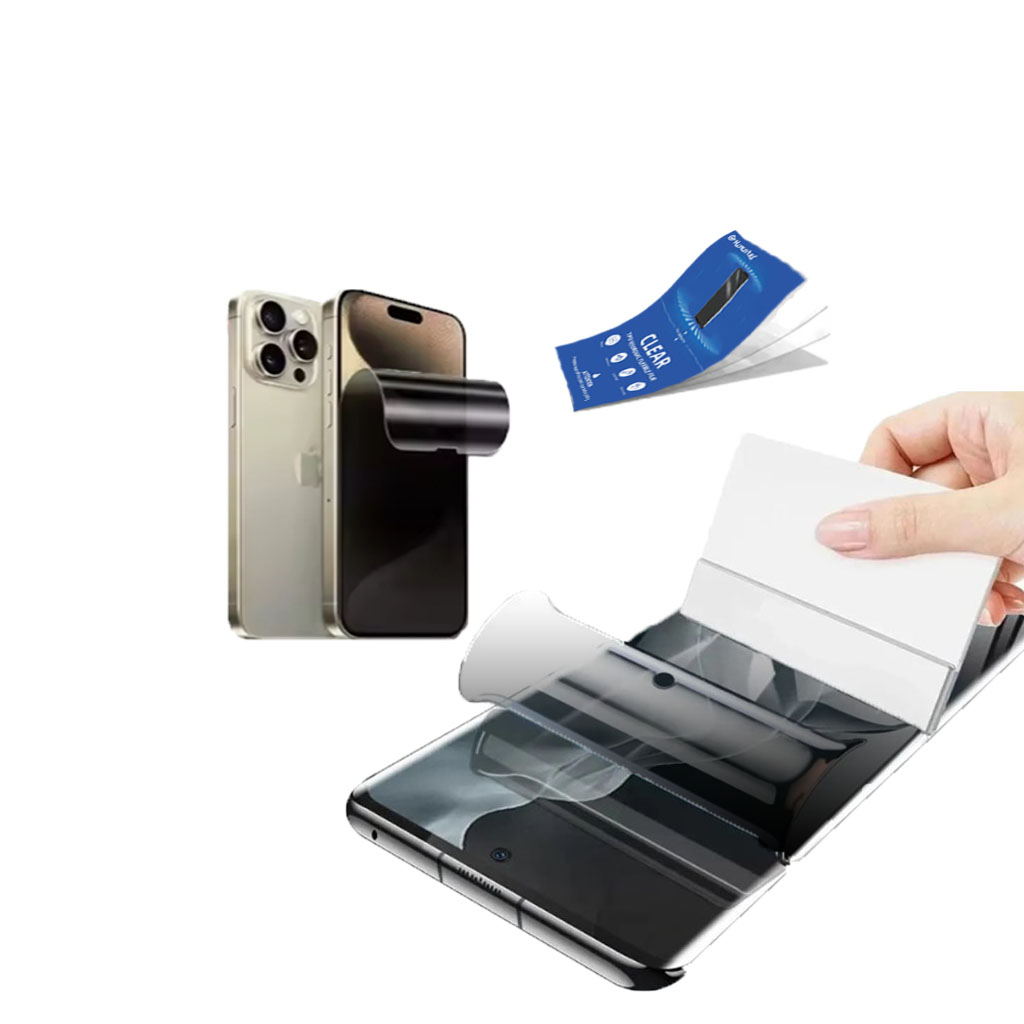
What is a Screen Protector and Why Use One?
Screen protectors are thin layers of material placed over your device’s screen to protect it from scratches, cracks, and other damage. They are especially popular for smartphones, tablets, and other electronic devices. Tempered glass screen protectors are favored for their durability and ability to absorb impact, reducing the risk of screen damage.Benefits of Using a Screen Protector
- Protection Against Scratches: Everyday use can lead to scratches from keys, coins, and other objects.
- Impact Resistance: Tempered glass can absorb shocks, preventing cracks.
- Maintaining Resale Value: A pristine screen can significantly increase the resale value of your device.
How to Prepare for Removing a Screen Protector
Before you start removing your screen protector, it’s important to prepare your workspace and gather the necessary tools. This ensures a smooth and safe removal process.Gather Your Tools
- Hairdryer: To gently heat the adhesive.
- Plastic Card: Like a credit card, to lift the edges.
- Paño de microfibra: To clean the screen after removal.
Prepare Your Workspace
- Clean Surface: Ensure your workspace is clean to avoid dust and debris.
- Good Lighting: Proper lighting helps you see the edges clearly.
Step-by-Step Guide to Remove a Tempered Glass Screen Protector
Removing a screen protector can be simple if done correctly. Follow these steps to safely remove it without damaging your device.Step 1: Heat the Edges
Use a hairdryer on a low setting to gently heat the edges of the screen protector. This softens the adhesive, making it easier to remove.Step 2: Lift the Edges
Carefully use a plastic card to lift one corner of the screen protector. Be gentle to avoid scratching the screen.Step 3: Peel Off the Protector
Once a corner is lifted, slowly peel the protector away from the screen. Do this gradually to prevent any damage.What to Do if Your Screen Protector is Cracked
A cracked screen protector can be tricky to remove, but with patience, it can be done safely.Handling Cracks
- Utilice cinta: Apply a strip of tape to the cracked area to prevent shards from falling.
- Lift Carefully: Start from the least damaged corner and proceed slowly.
How to Remove a Screen Protector from an iPhone
iPhones often have tightly fitted screen protectors. Here’s how to remove them without causing damage.iPhone Specific Tips
- Use a Suction Cup: This can help lift the protector without prying.
- Be Patient: iPhones have sensitive screens, so take your time.
Using Tools to Assist in Screen Protector Removal
Sometimes, additional tools can make the process easier and safer.
Herramientas recomendadas
- Suction Cup: Helps lift the protector without direct contact.
- Plastic Spudger: A tool designed for electronics, useful for prying.
How to Handle Stubborn Screen Protectors
If your screen protector is particularly stubborn, don’t force it. Here are some tips to help.Tips for Stubborn Protectors
- Reheat the Edges: Sometimes a second round of heating can help.
- Use More Tape: Apply more tape to increase grip.
Replacing Your Screen Protector: What You Need to Know
Once you’ve removed the old protector, it’s time to replace it. Here’s what you should consider.Choosing a New Protector
- Material: Decide between plastic or tempered glass.
- Brand: Consider reputable brands like Otterbox for quality.
Common Mistakes to Avoid When Removing a Screen Protector
Avoid these common pitfalls to ensure a smooth removal process.Mistakes to Avoid
- Acelerar el proceso: Take your time to avoid damage.
- Using Metal Tools: These can scratch your screen.
FAQs About Screen Protector Removal
Here are some frequently asked questions about removing screen protectors.
Common Questions
- Can I reuse a screen protector? Generally, no, as the adhesive loses its effectiveness.
- What if I damage my screen? Consult a professional for repairs.

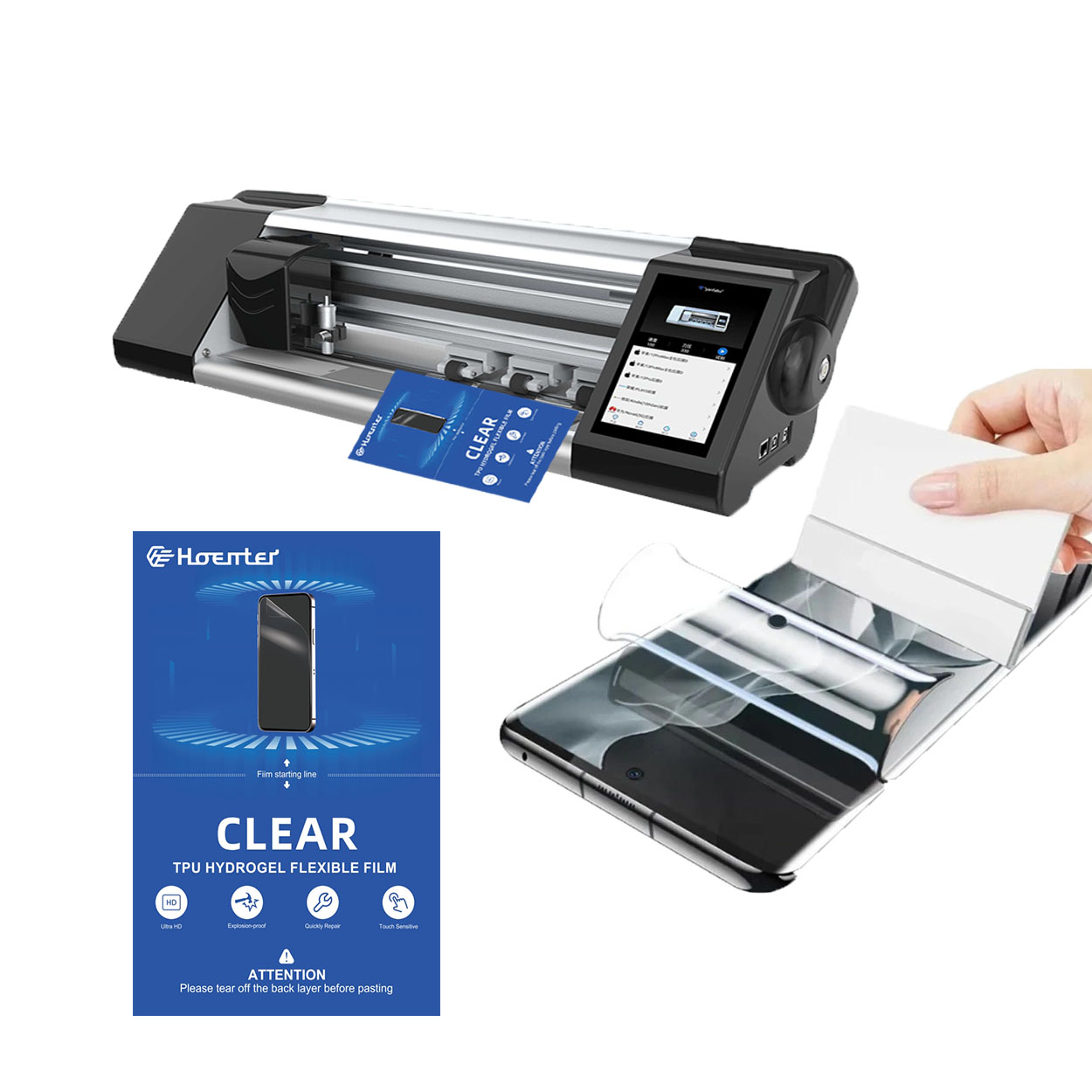
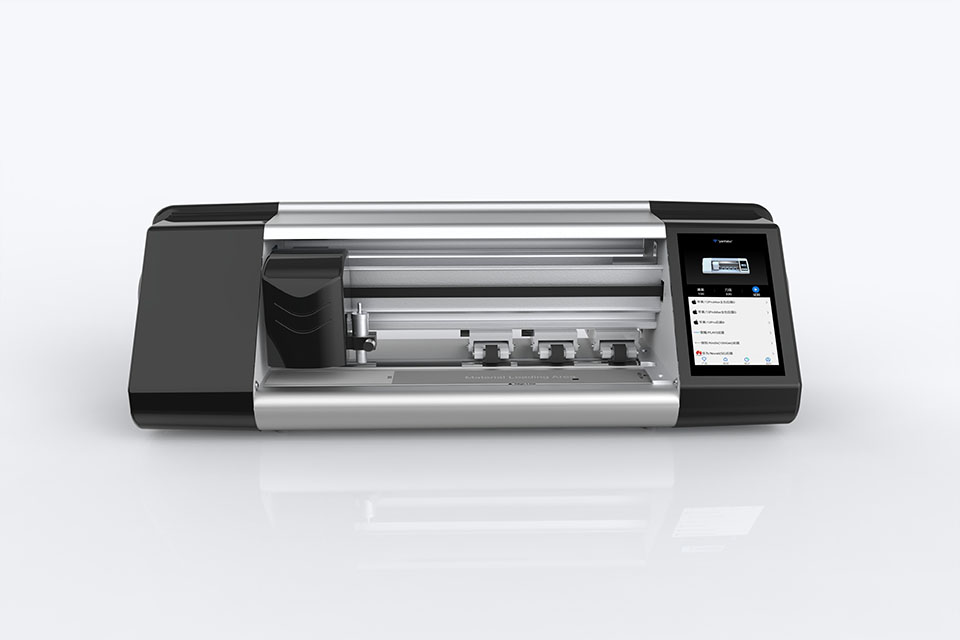
Cómo funciona la máquina de corte de protector de pantalla de teléfono móvil?
Una máquina cortadora de protectores de pantalla para teléfonos móviles es un sofisticado dispositivo diseñado
fabricar protectores de pantalla personalizados para diversos dispositivos digitales con alta preci
y eficiencia.
Smart Privacy Screen Cutting Machines- Características, precios y mejores opciones
Las cortadoras inteligentes de pantallas de privacidad son dispositivos avanzados que integran tecnologías inteligentes y sistemas de control adaptables, lo que permite soluciones de corte precisas, eficaces y personalizables en diversos sectores, como el residencial, el comercial y el de fabricación.
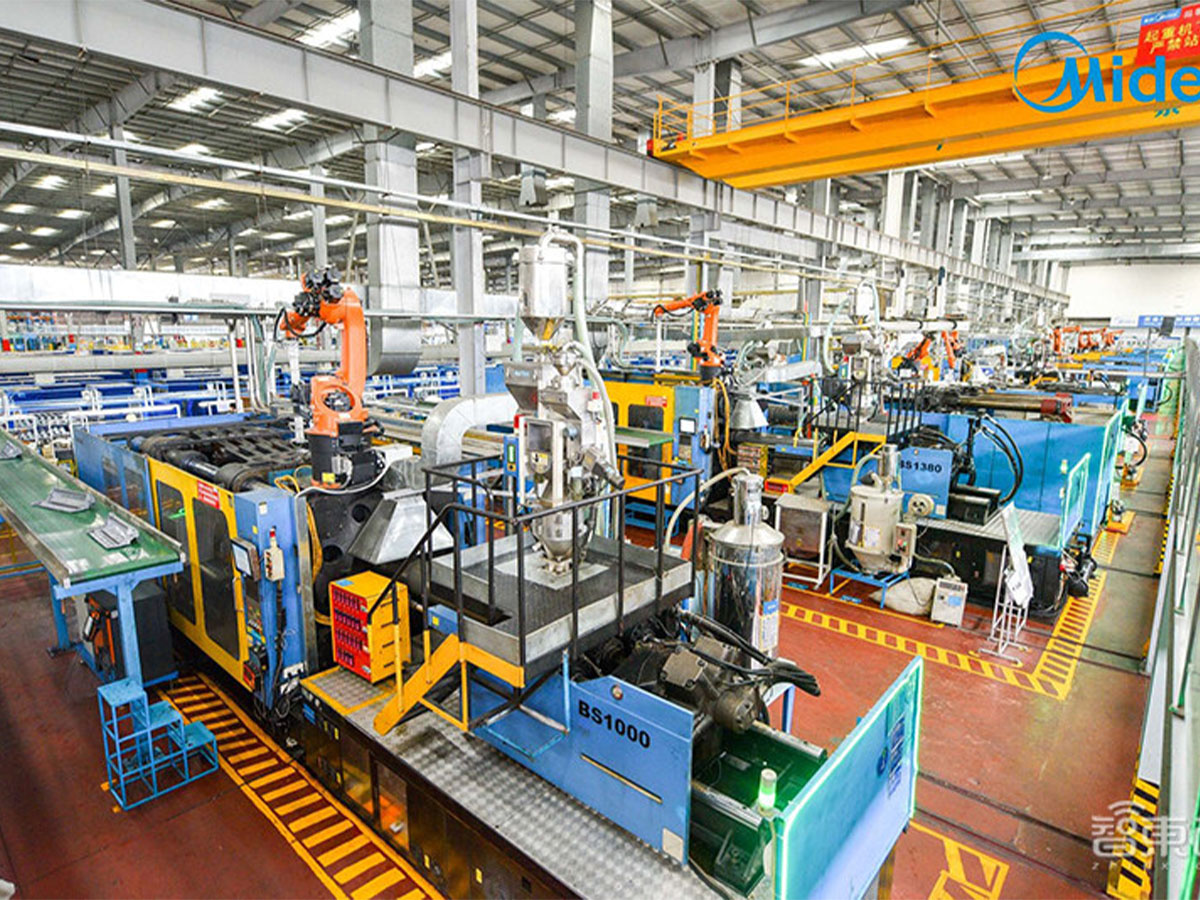
Cómo una máquina de protectores de pantalla puede ahorrarle dinero
Una máquina de protectores de pantalla es un dispositivo diseñado para producir protectores de pantalla personalizados bajo demanda para una gran variedad de dispositivos electrónicos, como smartphones, tabletas y smartwatches.
Las últimas innovaciones en cortadoras de protectores de pantalla
El desarrollo de las máquinas de corte de protectores de pantalla está enraizado en la historia más amplia de la automatización y la tecnología de materiales.
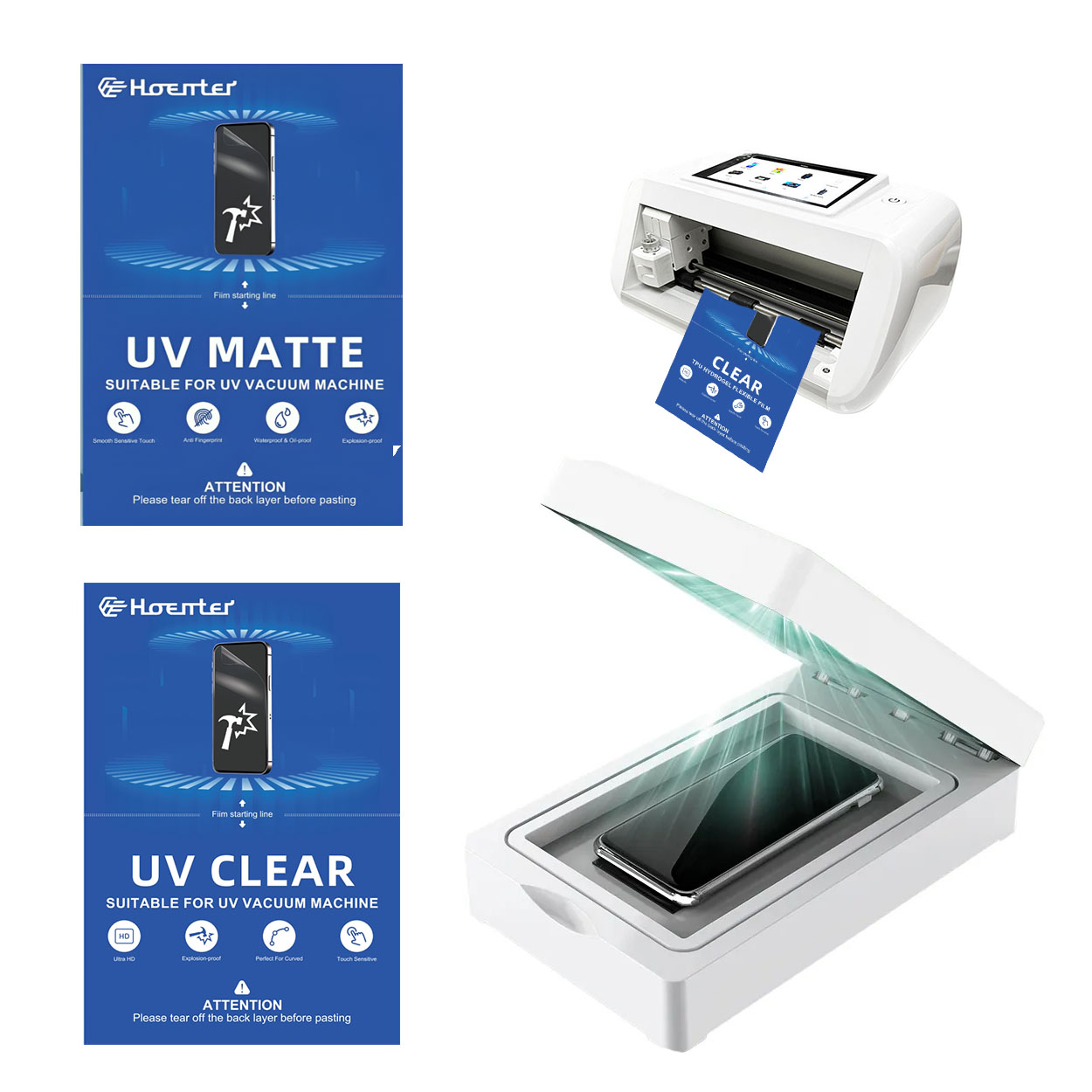
Protector de pantalla UV
En resumen, mientras que el cristal templado proporciona una protección básica, los protectores de pantalla UV destacan por ofrecer una seguridad ocular completa, una claridad superior, propiedades autorreparadoras y un diseño elegante. Elige un protector de pantalla UV para disfrutar de la protección definitiva que mejora tu dispositivo y tu experiencia visual.
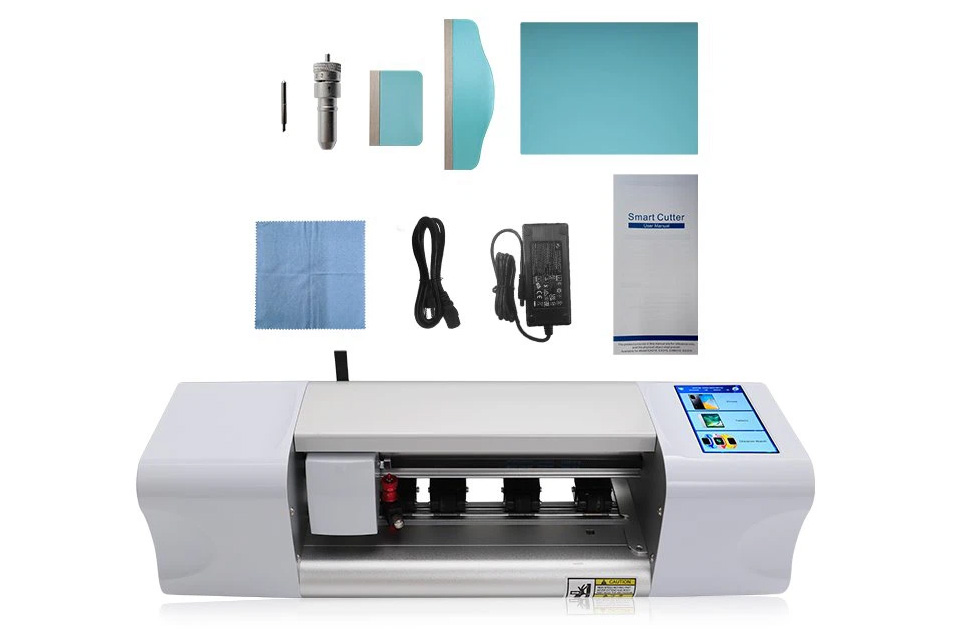
Qué máquina de corte de película y su aplicación
Las cortadoras de película han desempeñado un papel crucial en la evolución del cine y de diversos procesos industriales al permitir el corte y empalme precisos de materiales de película.
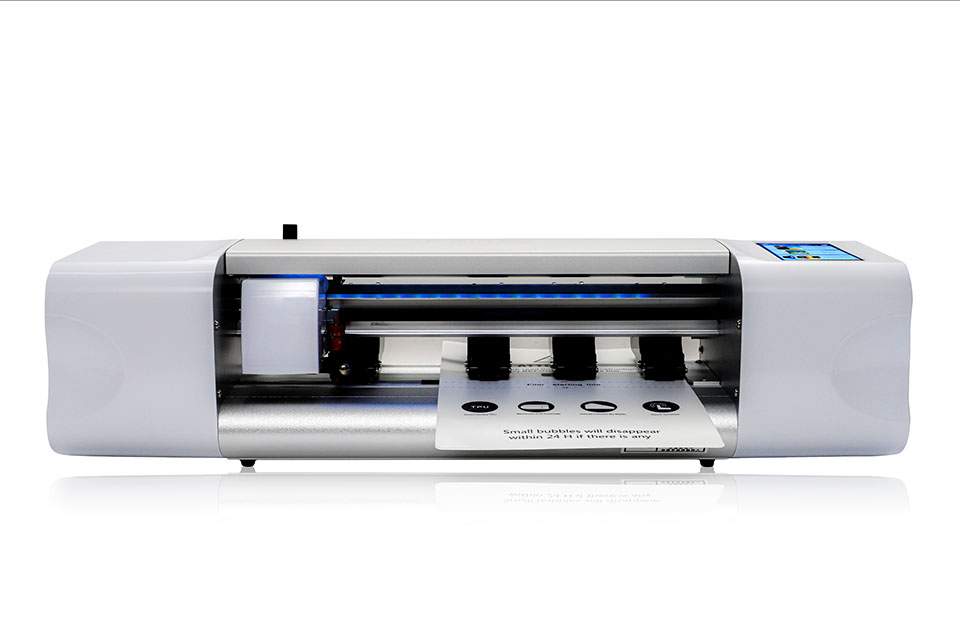
¿Qué es una máquina cortadora de protectores de pantalla?
Una cortadora de protectores de pantalla es un dispositivo especializado diseñado para producir protectores de pantalla a medida para diversos dispositivos electrónicos, como smartphones, tabletas, smartwatches, portátiles y monitores.
Cómo funciona la máquina de corte de protector de pantalla de teléfono móvil?
Una máquina cortadora de protectores de pantalla para teléfonos móviles es un sofisticado dispositivo diseñado
fabricar protectores de pantalla personalizados para diversos dispositivos digitales con alta preci
y eficiencia.
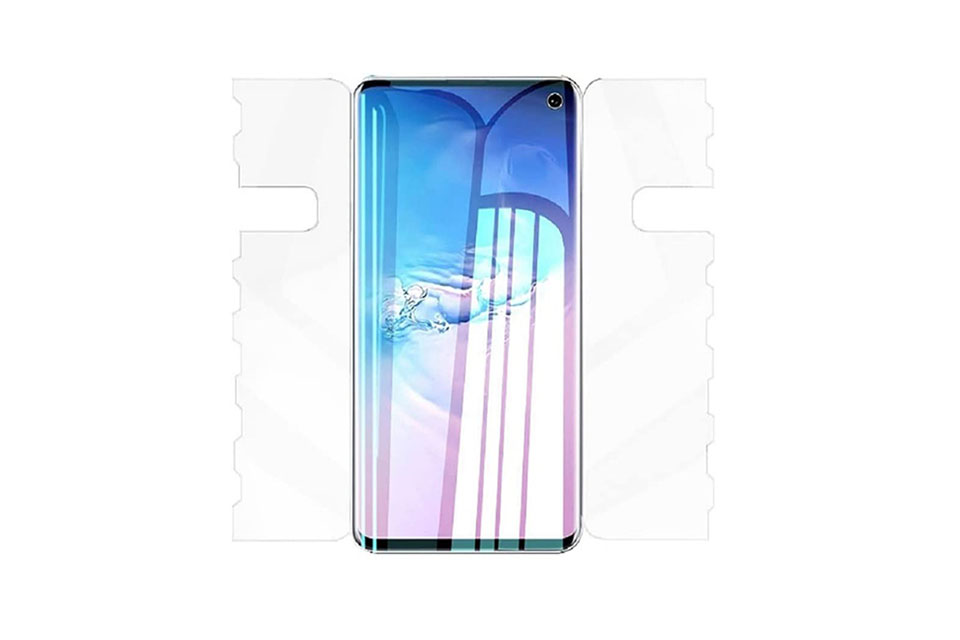
Características del cristal templado para teléfonos móviles y del protector de pantalla de TPU para teléfonos móviles
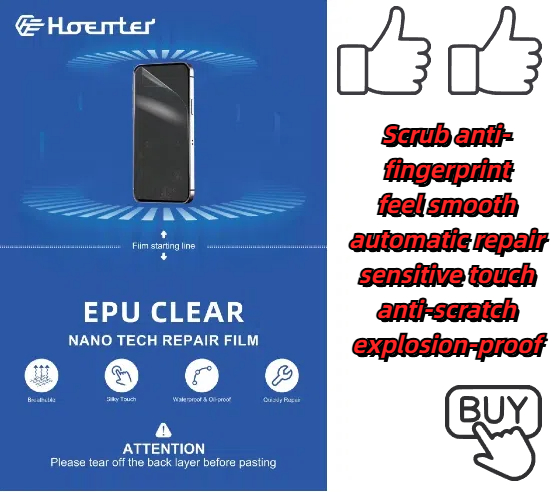
Los protectores de pantalla de poliuretano termoplástico (TPU) son flexibles, duraderos y
películas plásticas autorreparadoras diseñadas para proteger las pantallas de los dispositivos electrónicos de
arañazos, golpes y otros posibles daños.
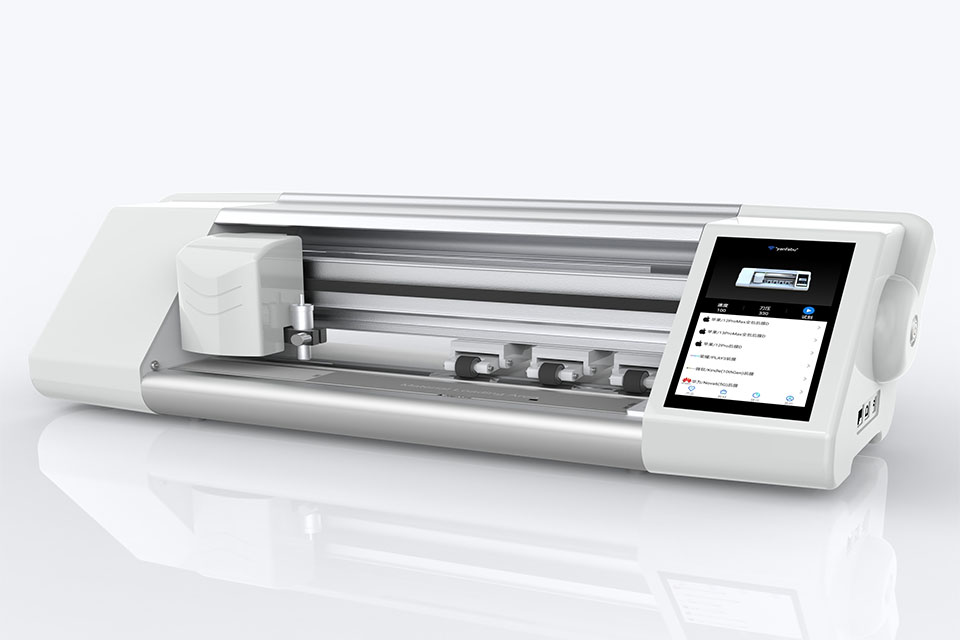
Revolucione la protección de sus dispositivos con la cortadora de protectores de pantalla
Tanto si tienes un smartphone, una tableta o un smartwatch, esta versátil máquina se adapta a una amplia gama de dispositivos. Se adapta perfectamente a las dimensiones de tu gadget, ofreciendo un ajuste personalizado que los protectores genéricos no pueden igualar.
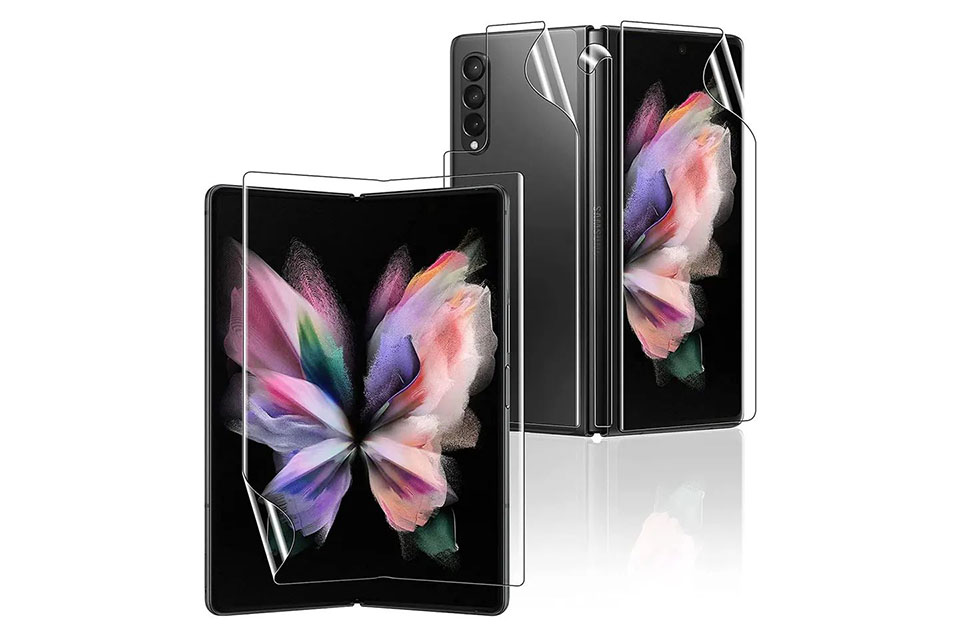
Protector de pantalla Garantía de por vida
La garantía de por vida de un protector de pantalla es una garantía proporcionada por los fabricantes que
se compromete a reparar o sustituir un protector de pantalla durante toda la vida útil del producto, en condiciones específicas.