
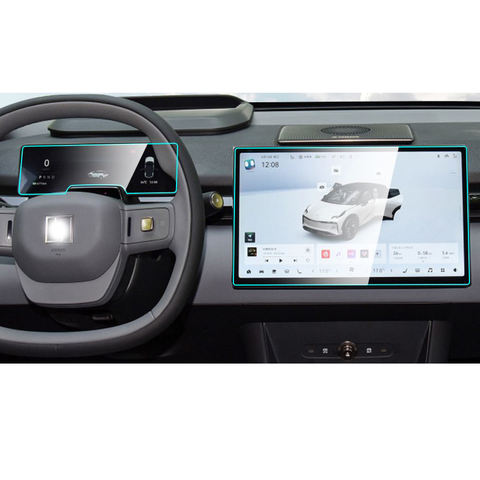
What is a Screen Protector and Why Do You Need One?
A screen protector is a thin layer of material that you place on your phone or tablet screen to protect it from scratches, cracks, and other types of damage. There are two main types: glass screen protectors Và plastic screen protectors. Both types serve the same purpose but offer different levels of protection and feel.Screen protectors are essential for keeping your device in pristine condition. They help maintain the resale value of your gadgets and can prevent costly repairs. If you’ve ever dropped your phone, you know how valuable a good screen protector can be.
How Do Air Bubbles Form Under a Screen Protector?
Air bubbles are one of the most common issues when applying a screen protector. These bubbles can form due to several reasons:
- Dust or debris: Even the smallest speck of dust can cause a bubble.
- Sự không thẳng hàng: If the protector isn’t applied straight, air can get trapped.
- Poor application technique: Rushing the process or applying uneven pressure can lead to bubbles.
Understanding why bubbles form is the first step in preventing them. By preparing your device and workspace, you can significantly reduce the likelihood of encountering these issues.
Preparing Your Device for a Screen Protector: What You Need to Know
Before applying a screen protector, it’s crucial to prepare your device properly. Here’s a simple checklist:
- Rửa sạch tay của bạn: Oils and dirt from your fingers can transfer to the screen.
- Use a microfiber cloth: Wipe the screen thoroughly to remove dust and fingerprints.
- Áp dụng trong môi trường không có bụi: This minimizes the chances of dust settling on your screen during application.
Taking these steps will help ensure a clean application, reducing the chance of air bubbles forming under your screen protector.
How to Apply a Glass Screen Protector Without Bubbles
Applying a glass screen protector can be straightforward if you follow these steps:
- Căn chỉnh bộ bảo vệ: Before removing the adhesive backing, place the protector over your screen to ensure it fits properly.
- Peel and stick: Remove the backing and carefully position the protector starting from one end.
- Sử dụng thẻ nhựa: Smooth out the protector from the center towards the edges to push out any air bubbles.
This method helps achieve a bubble-free application, ensuring your screen protector stays securely in place.
Tips on How to Get Bubbles Out of a Screen Protector
If you’ve already applied your screen protector and notice bubbles, don’t worry. Here are some tips to remove them:
- Sử dụng thẻ nhựa: Gently push the bubbles towards the edge of the screen.
- Lift and reapply: If bubbles persist, carefully lift the edge of the protector and reposition it.
- Apply gentle heat: A hair dryer on low heat can soften the protector, making it easier to remove bubbles.
These techniques can help you achieve a smooth, bubble-free screen protector application.
Using a Hair Dryer to Remove Air Bubbles: Does it Work?
Using a hair dryer can be an effective way to remove air bubbles from a screen protector. The gentle heat softens the adhesive, allowing you to smooth out bubbles more easily. Here’s how to do it:
- Set your hair dryer to low heat: Hold it at a safe distance from the screen.
- Apply heat evenly: Move the dryer back and forth across the screen.
- Sử dụng thẻ nhựa: While the screen is warm, gently press out bubbles towards the edges.
This method can be particularly useful for stubborn bubbles that won’t budge with just a plastic card.
Reapply or Get a New Screen Protector?
Sometimes, despite your best efforts, a screen protector just won’t cooperate. In such cases, you might wonder whether to reapply the same protector or get a new one. Here are some considerations:
- Condition of the protector: If it’s still sticky and free of dust, try reapplying.
- Extent of the bubbles: For significant bubbles that won’t go away, a new protector might be necessary.
- Cost vs. effort: Consider the cost of a new protector compared to the time and frustration of reapplying.
Weighing these factors can help you decide the best course of action for your device.

Common Mistakes: Why Bubbles Form in the First Place
Understanding common mistakes can help prevent bubbles from forming during application. Some mistakes to avoid include:
- Áp dụng trong môi trường nhiều bụi: Dust is the enemy of a smooth application.
- Not cleaning the screen: Oils and dirt can create a barrier, trapping air.
- Đẩy nhanh quá trình: Take your time to ensure proper alignment and pressure.
By paying attention to these details, you can minimize the risk of bubbles and achieve a perfect fit.
The Role of a Plastic Card in Removing Screen Protector Bubbles
A simple plastic card, like a credit card, can be your best friend during screen protector application. Here’s how to use it effectively:
- Start from the center: Place the card in the center of the screen and move it towards the edges.
- Use firm, even pressure: Don’t press too hard, as this might damage the protector.
- Work slowly and methodically: Patience is key to avoiding air bubbles.
This technique helps ensure a smooth application, free of bubbles and imperfections.
Should You Remove and Reapply the Screen Protector or Get a New One?
Deciding whether to remove and reapply a screen protector or start fresh with a new one can be challenging. Consider these factors:
- Adhesive quality: If the adhesive remains strong, reapplication might work.
- Cost of replacement: A new protector might be more cost-effective if reapplication fails.
- Personal preference: Some users prefer the peace of mind that comes with a brand-new protector.
Ultimately, the decision depends on your specific situation and comfort level with reapplying a protector.
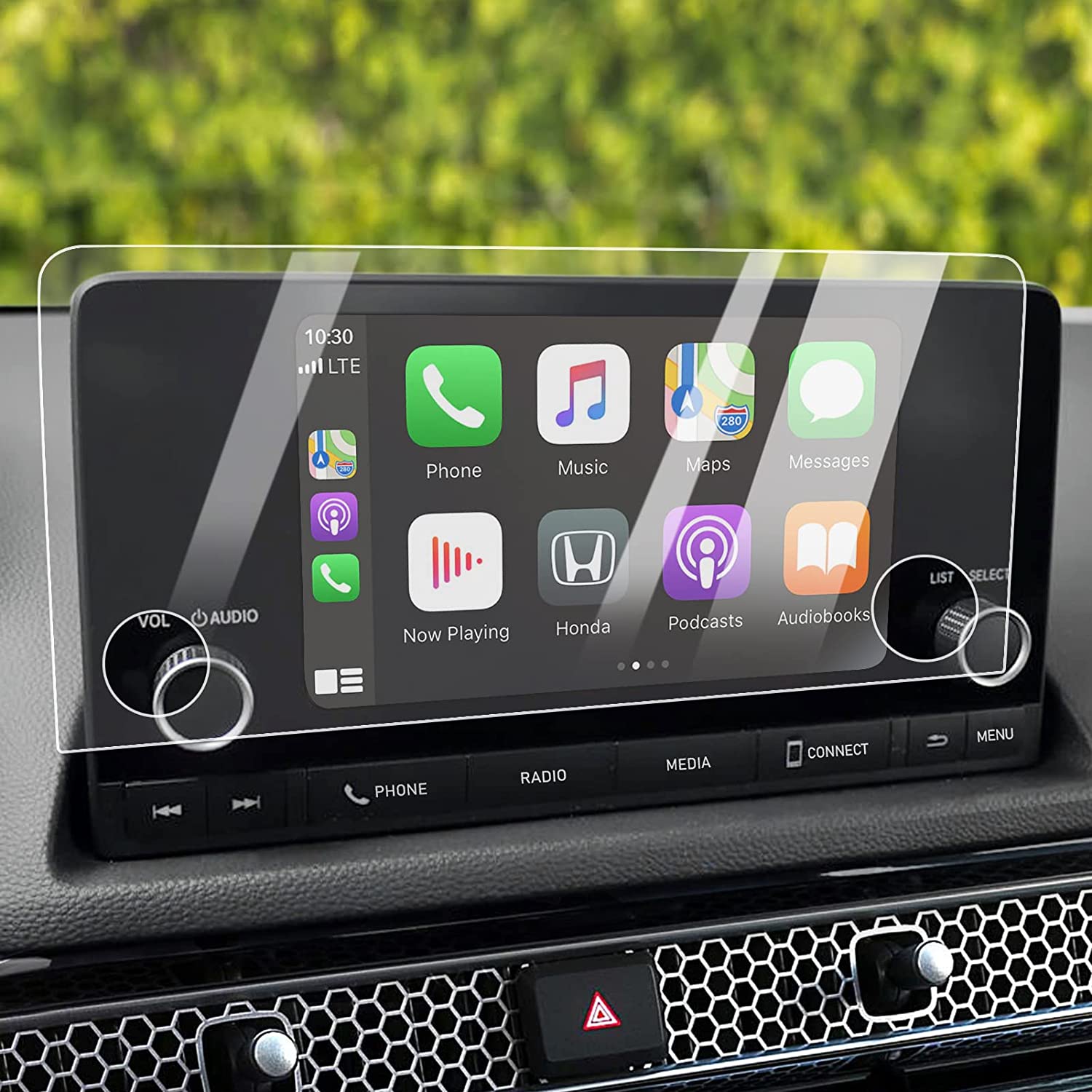
Cách sử dụng miếng dán bảo vệ màn hình không có bọt khí: Hướng dẫn hoàn hảo
Bạn có mệt mỏi vì phải vật lộn với những bong bóng khí khó chịu khi dán miếng bảo vệ màn hình không? Bạn không đơn độc! Nhiều người thấy khó khăn khi dán màn hình bảo vệ mà không để không khí bên dưới. Nhưng đừng lo lắng - hướng dẫn toàn diện này sẽ hướng dẫn bạn quy trình dán miếng bảo vệ màn hình hoàn hảo, đảm bảo không có bong bóng khí giúp thiết bị của bạn trông như mới. Cho dù bạn là người mới làm quen với công nghệ hay là chuyên gia về đồ dùng, bạn sẽ tìm thấy những mẹo và thủ thuật hữu ích để giúp việc dán miếng bảo vệ màn hình tiếp theo của bạn trở nên dễ dàng.
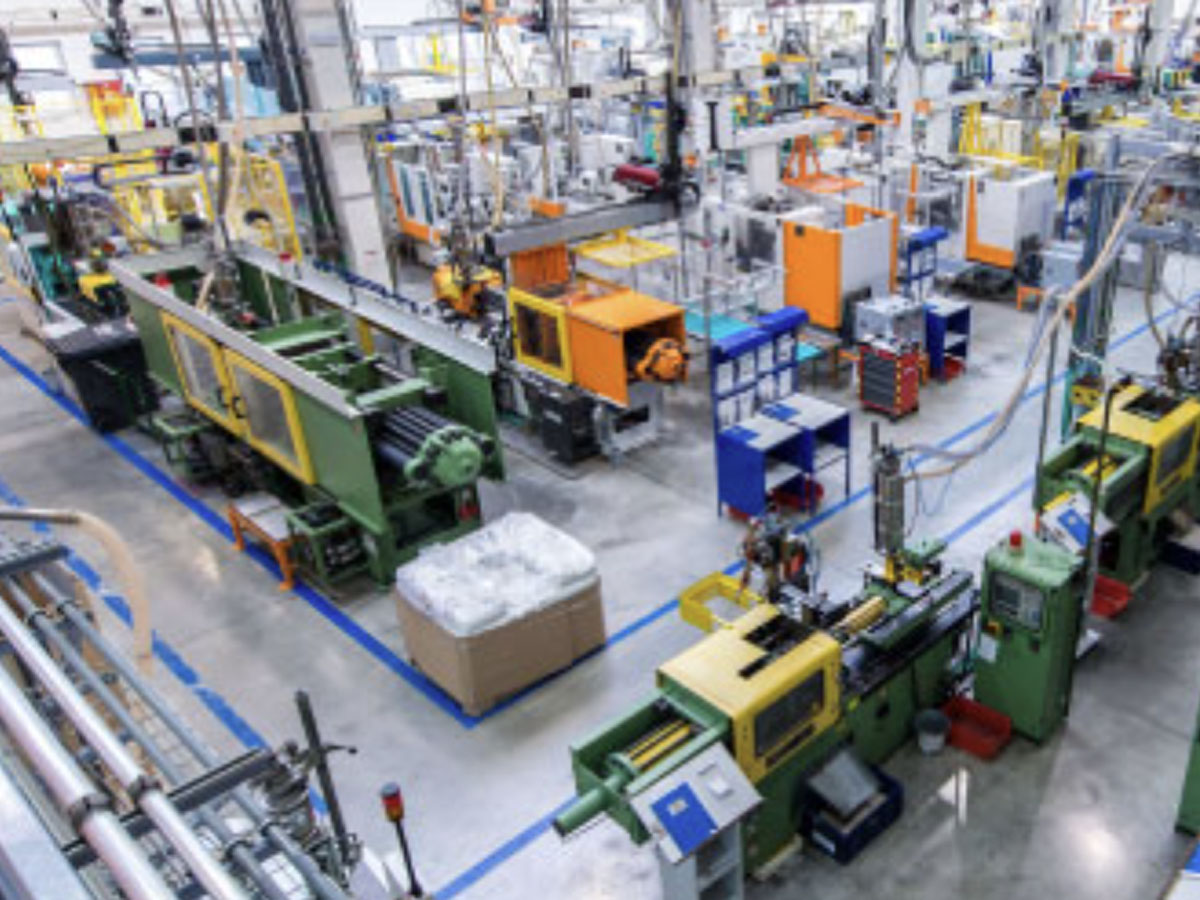
Lợi ích về môi trường khi sử dụng máy cắt bảo vệ màn hình: Giảm thiểu chất thải
Khái niệm giảm thiểu chất thải có vai trò cơ bản trong tính bền vững của môi trường, đặc biệt là trong bối cảnh các sản phẩm tiêu dùng như miếng dán màn hình.
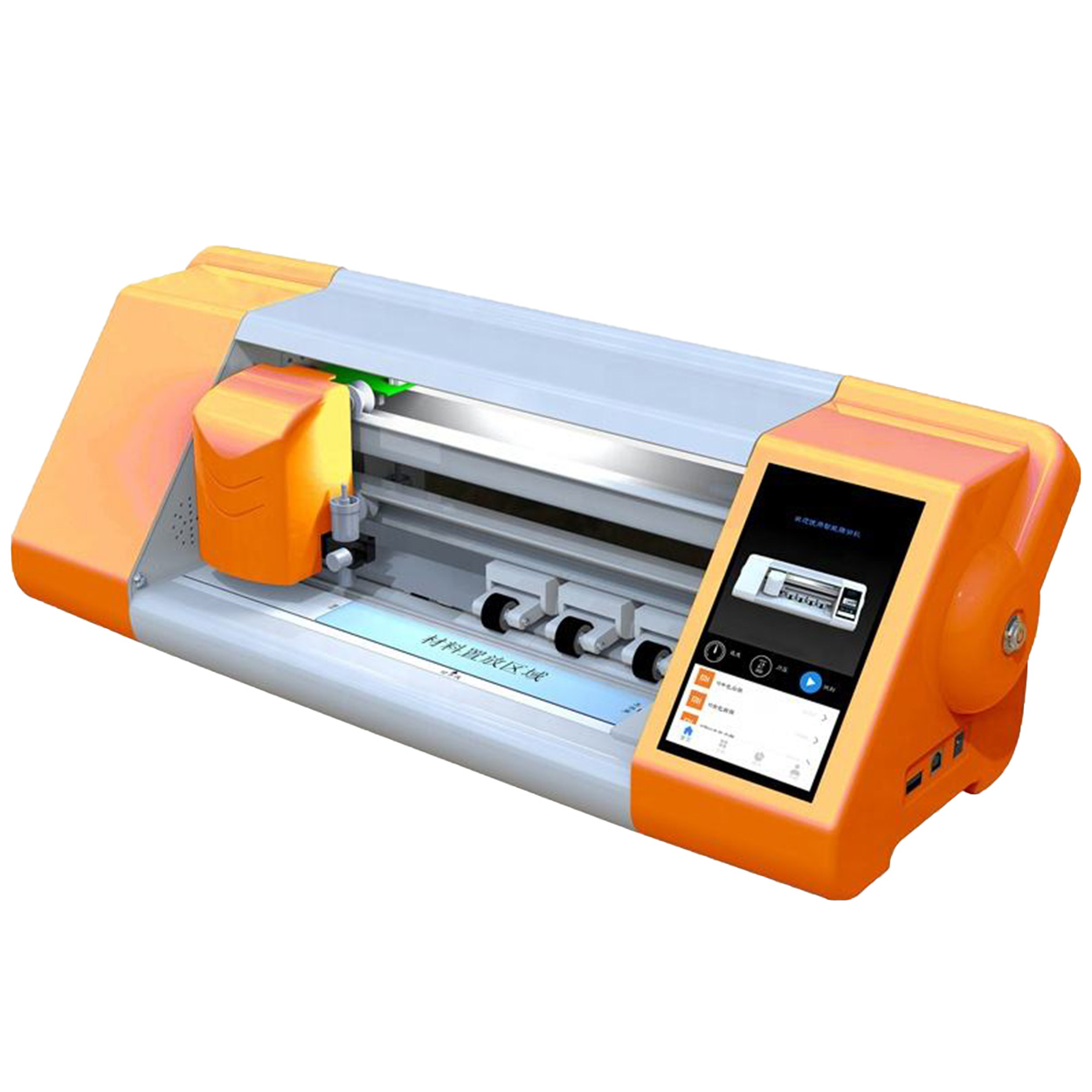
Máy cắt miếng dán màn hình tự động tiên tiến
Khám phá cách máy cắt miếng dán màn hình tạo nên cuộc cách mạng trong việc bảo vệ thiết bị di động với máy cắt phim thông minh để cắt màn hình chính xác và tự động cho mọi thiết bị.
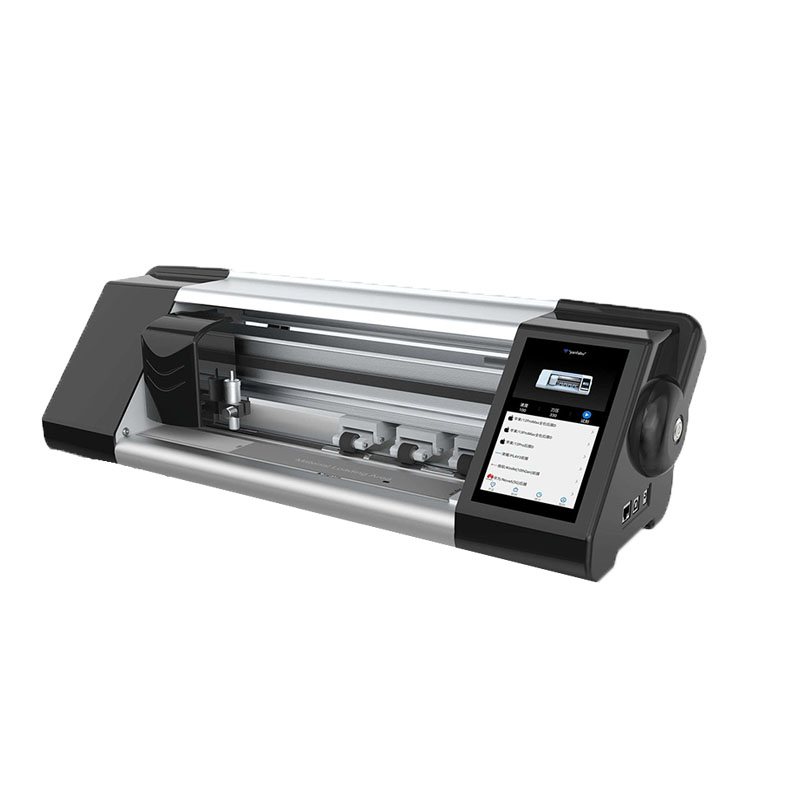
Máy cắt miếng dán màn hình điện thoại di động
Tăng lợi nhuận của bạn với máy cắt phim tiên tiến của chúng tôi. Lý tưởng cho các cửa hàng điện thoại, cửa hàng sửa chữa và bán buôn. Cắt miếng dán màn hình vừa vặn hoàn hảo theo yêu cầu cho mọi thiết bị. Liên hệ với chúng tôi để biết giá trực tiếp từ nhà máy!
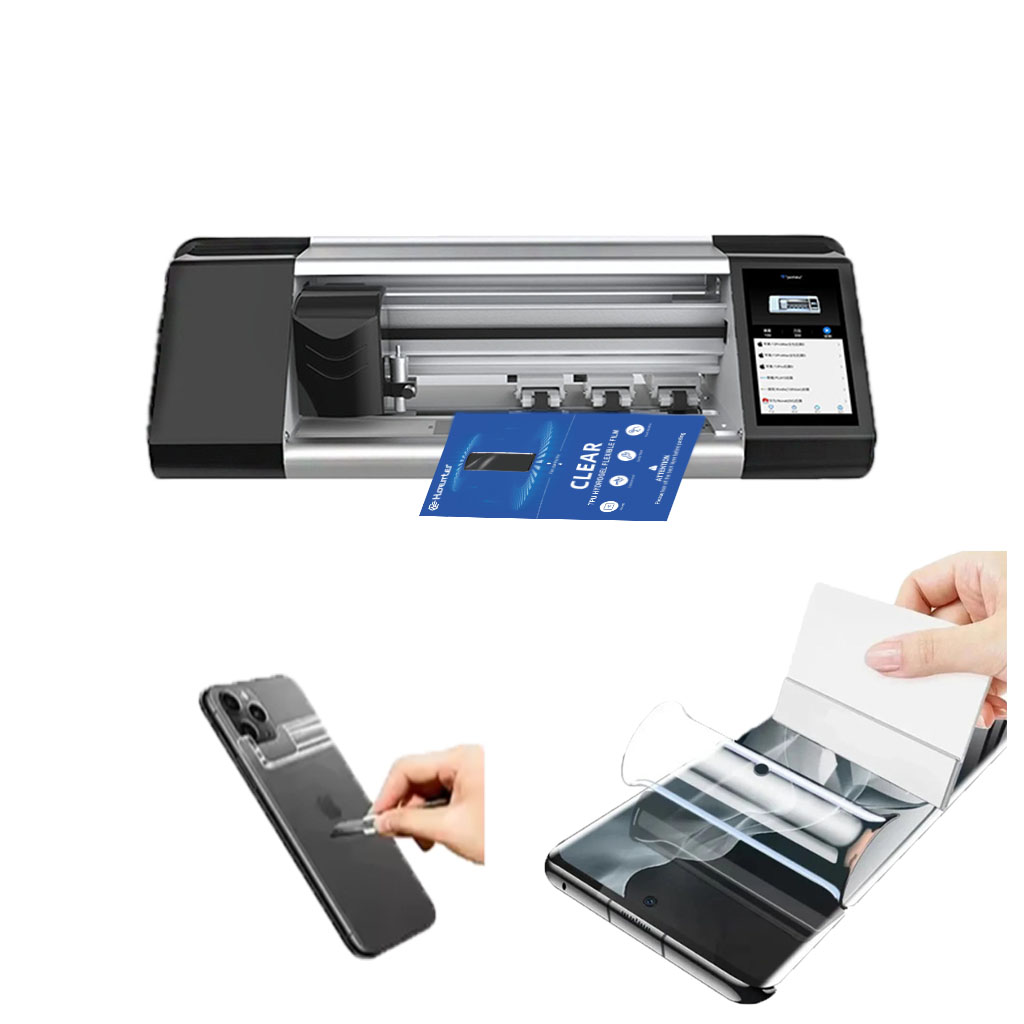
Máy bảo vệ màn hình
Máy cắt hydrogel có khả năng xử lý các vật liệu mềm, dẻo và thường tiết kiệm chi phí hơn đối với các thiết kế đơn giản.
Máy cắt laser cung cấp độ chính xác cao, đặc biệt là đối với các đường cắt phức tạp và tính linh hoạt cao hơn đối với vật liệu.
Sự lựa chọn giữa hydrogel và cắt laser phụ thuộc vào các yếu tố như khối lượng sản xuất, loại vật liệu và độ phức tạp của thiết kế.
Hãy cân nhắc đến chi phí dài hạn, bao gồm chi phí bảo trì và tiêu thụ năng lượng khi đưa ra quyết định.
Cả hai công nghệ đều tiếp tục phát triển, với xu hướng tương lai tập trung vào tích hợp AI và các giải pháp thân thiện với môi trường.
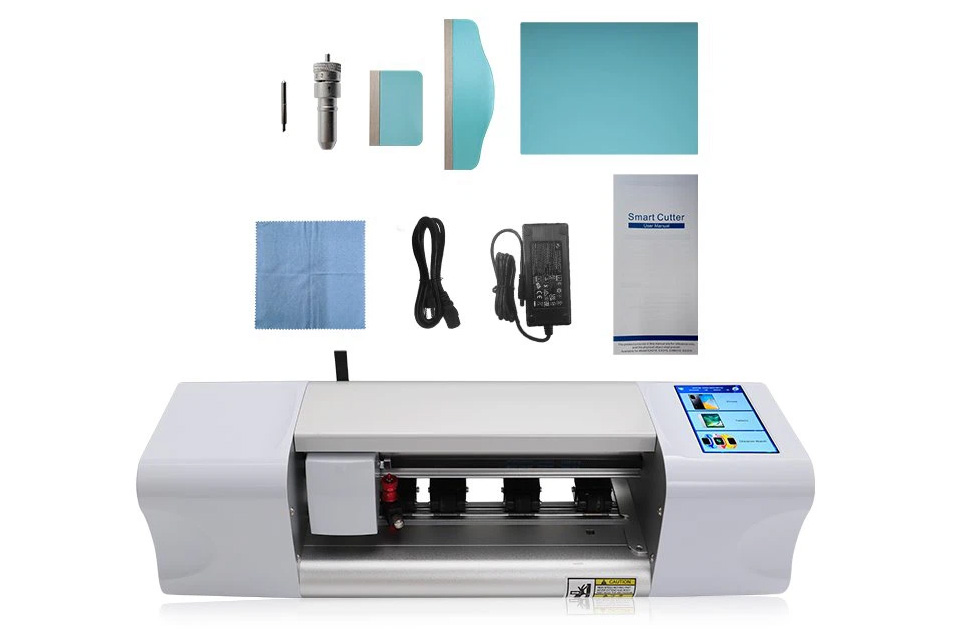
Máy cắt phim nào và ứng dụng của nó
Máy cắt phim đóng vai trò quan trọng trong sự phát triển của ngành làm phim và nhiều quy trình công nghiệp khác bằng cách cho phép cắt và ghép chính xác các vật liệu phim.
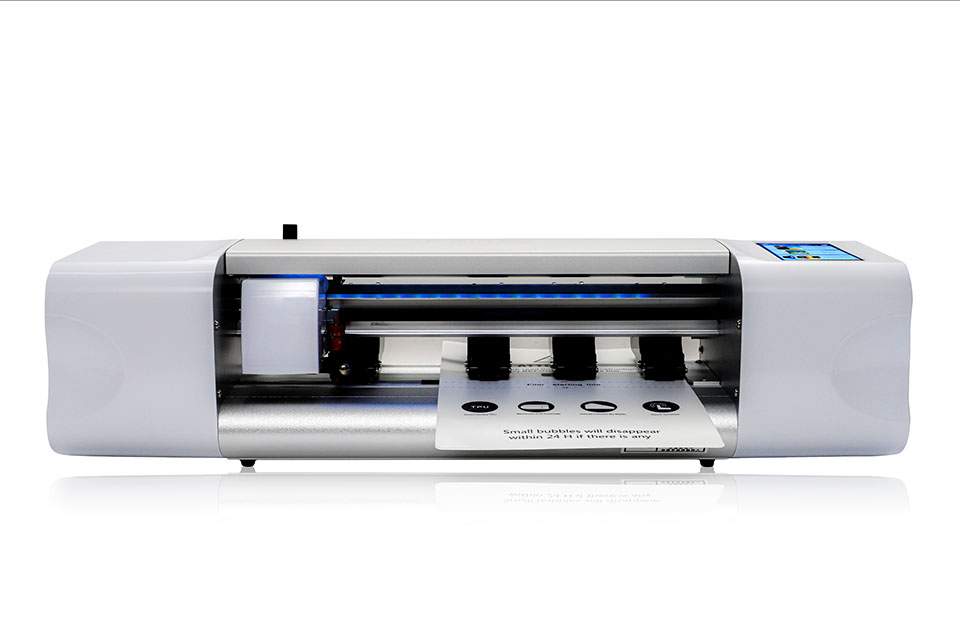
Máy cắt miếng dán màn hình là gì?
Máy cắt miếng dán màn hình là thiết bị chuyên dụng được thiết kế để sản xuất miếng dán màn hình vừa vặn cho nhiều thiết bị điện tử khác nhau, bao gồm điện thoại thông minh, máy tính bảng, đồng hồ thông minh, máy tính xách tay và màn hình máy tính.
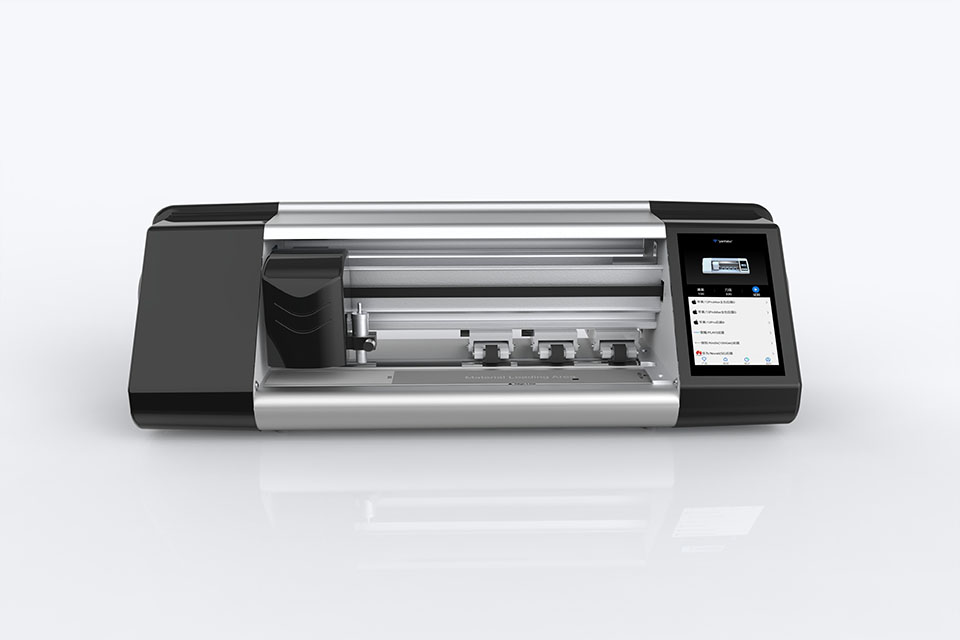
Máy cắt miếng dán màn hình điện thoại di động hoạt động như thế nào?
Máy cắt miếng dán màn hình điện thoại di động là một thiết bị tinh vi được thiết kế
để sản xuất miếng dán màn hình tùy chỉnh cho nhiều thiết bị kỹ thuật số có độ chính xác cao
và hiệu quả.
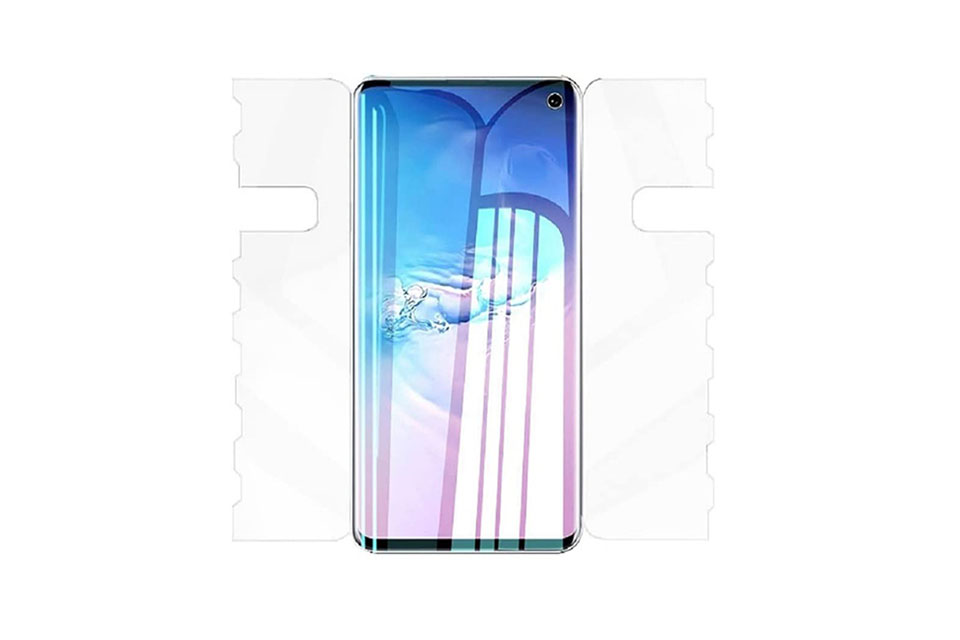
Đặc điểm của Kính cường lực điện thoại di động và Miếng dán màn hình TPU cho điện thoại di động
Tấm bảo vệ màn hình bằng nhựa nhiệt dẻo polyurethane (TPU) linh hoạt, bền và
màng nhựa tự phục hồi được thiết kế để bảo vệ màn hình thiết bị điện tử khỏi
trầy xước, va chạm và các hư hỏng tiềm ẩn khác.
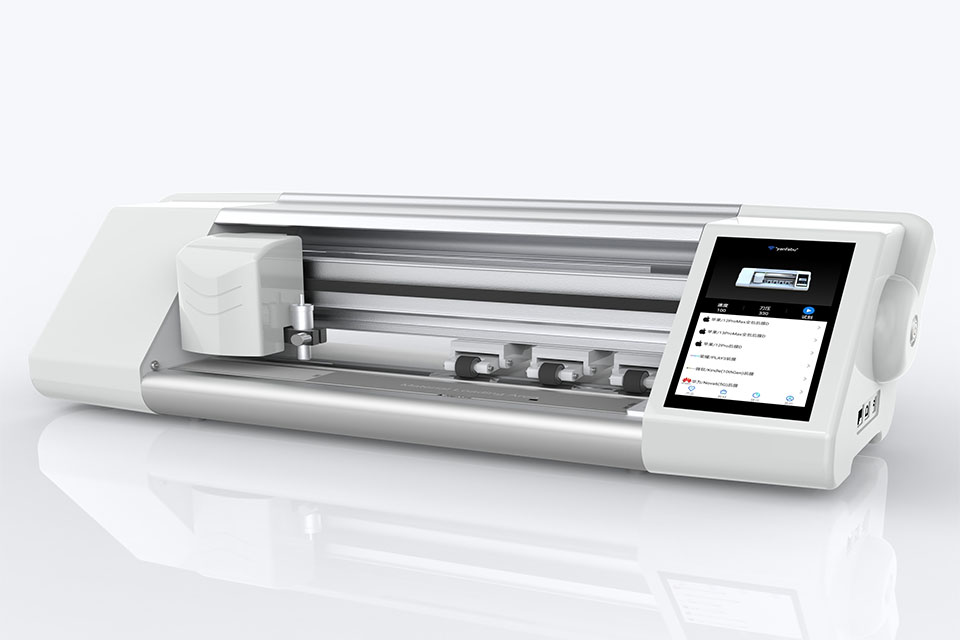
Cách mạng hóa bảo vệ thiết bị với máy cắt bảo vệ màn hình
Cho dù bạn sở hữu điện thoại thông minh, máy tính bảng hay đồng hồ thông minh, chiếc máy đa năng này có thể chứa nhiều loại thiết bị. Nó có thể thích ứng liền mạch với kích thước của thiết bị của bạn, mang đến sự vừa vặn tùy chỉnh mà các loại bảo vệ thông thường không thể sánh kịp.
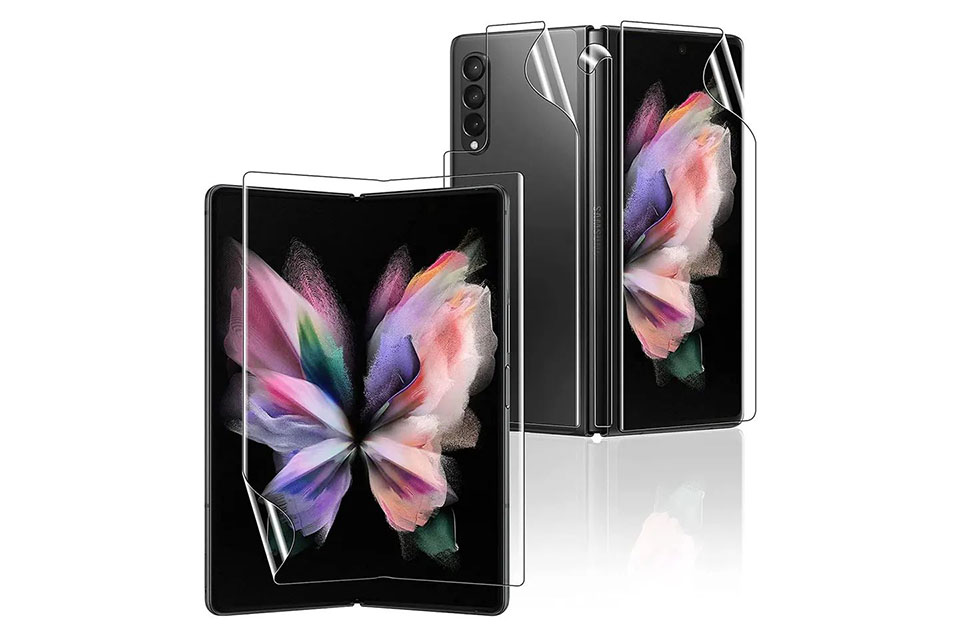
Bảo hành trọn đời cho miếng dán màn hình
Bảo hành trọn đời cho miếng dán màn hình là sự đảm bảo được cung cấp bởi nhà sản xuất
cam kết sửa chữa hoặc thay thế miếng dán màn hình trong suốt thời gian sử dụng sản phẩm, theo các điều khoản và điều kiện cụ thể.